
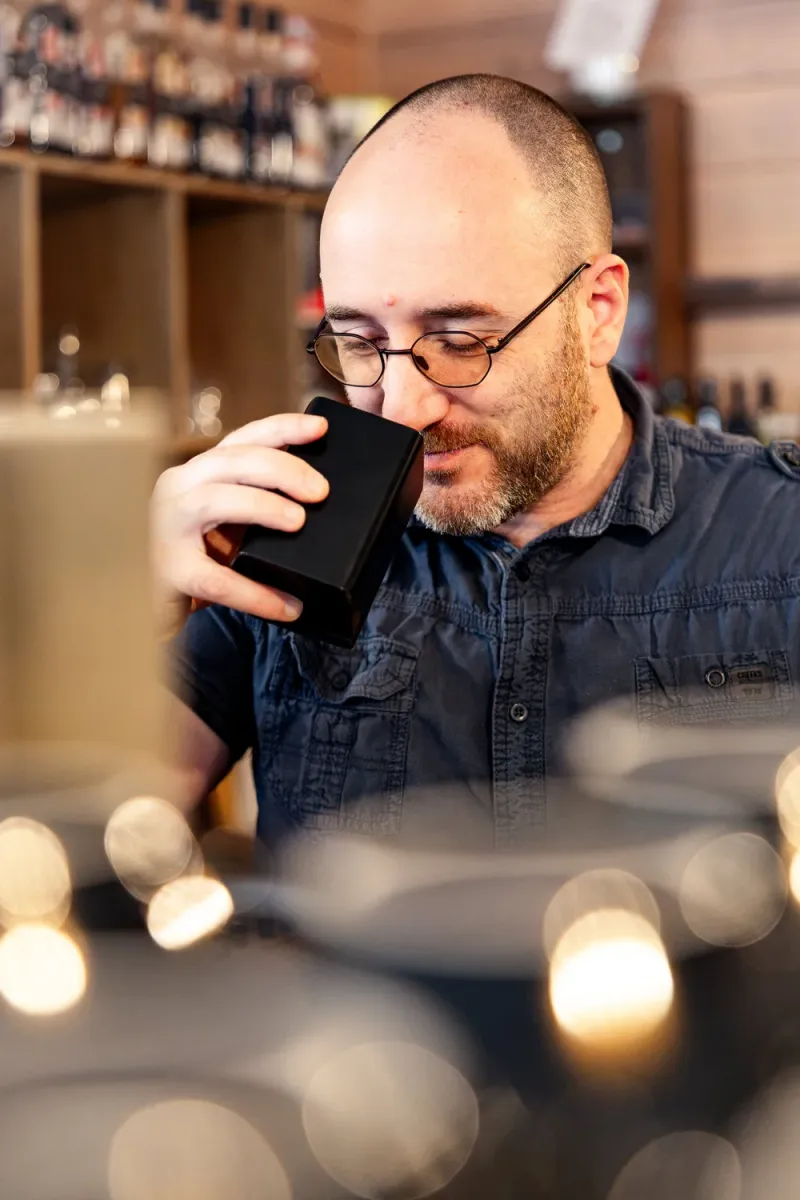

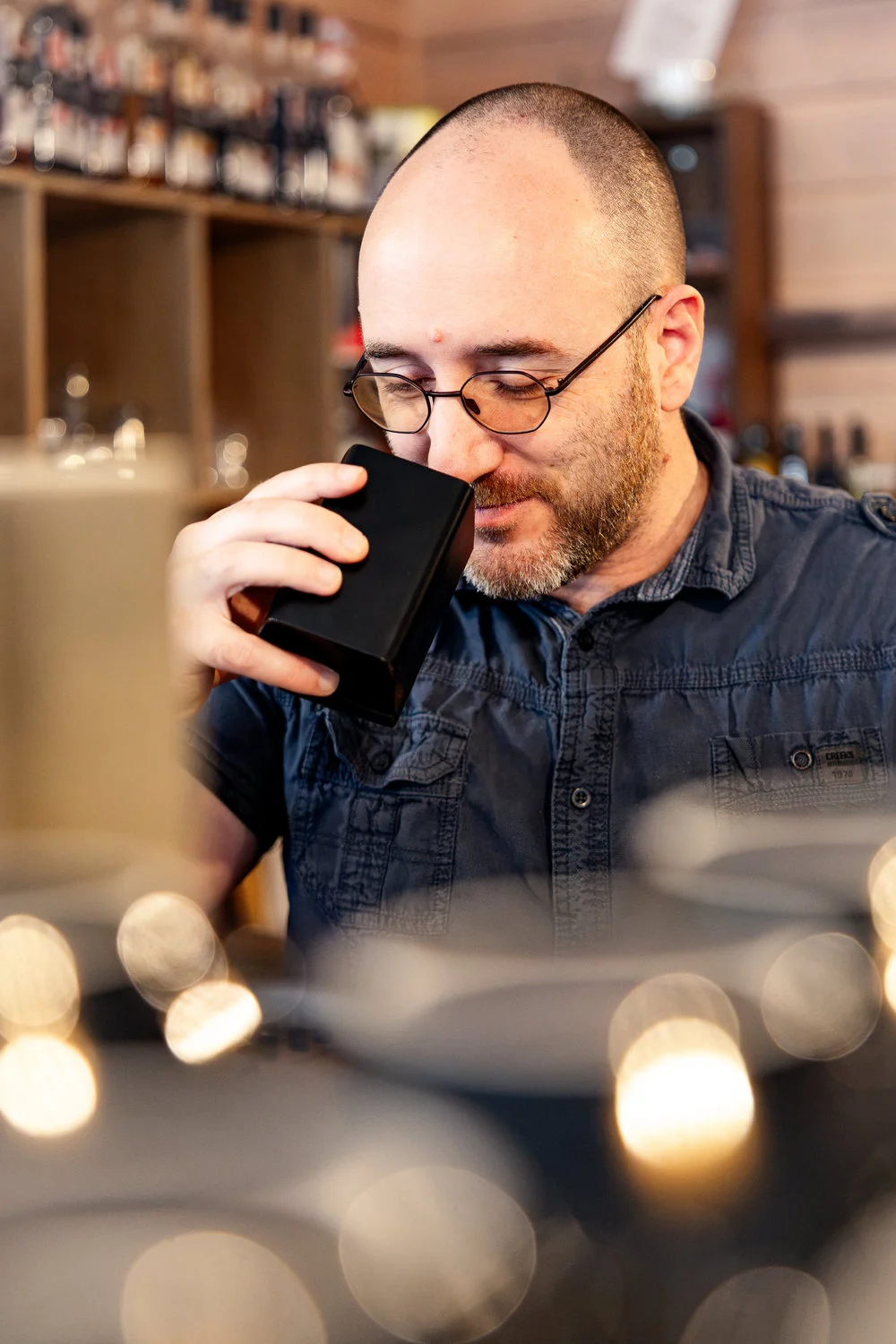
There is a particular kind of roaster you don't stumble across every day: one who didn't grow up dreaming of green coffee and drum roasters, but who ended up there almost by accident and who turned that accident into a mission. That's exactly the story of Benjamin, the man behind Au Bon Kawa, a small provincial French roastery that is quietly trying to prove that specialty coffee doesn't have to be reserved for big-city roasters. I spent time with him, tasted his new Signatures range, and came away with a thesis I want to defend in this article: both coffees are genuinely excellent across the board, but each finds an extra gear once you pull it as espresso.
Au Bon Kawa offered to send me his Signatures range to test. The writing of this article is entirely independent: my tasting notes and conclusions are based solely on real-world use, with no commercial influence whatsoever.
A roaster born by chance: Benjamin's story
When I asked Benjamin what made him "fall" into coffee, his answer surprised me: almost nothing did, at first. Not even a big coffee drinker, he was an Export Manager looking to leave the corporate world when he stumbled onto Buroespresso the business that would become Au Bon Kawa. No childhood epiphany, no grand plan just a man looking for a new direction who landed in coffee.
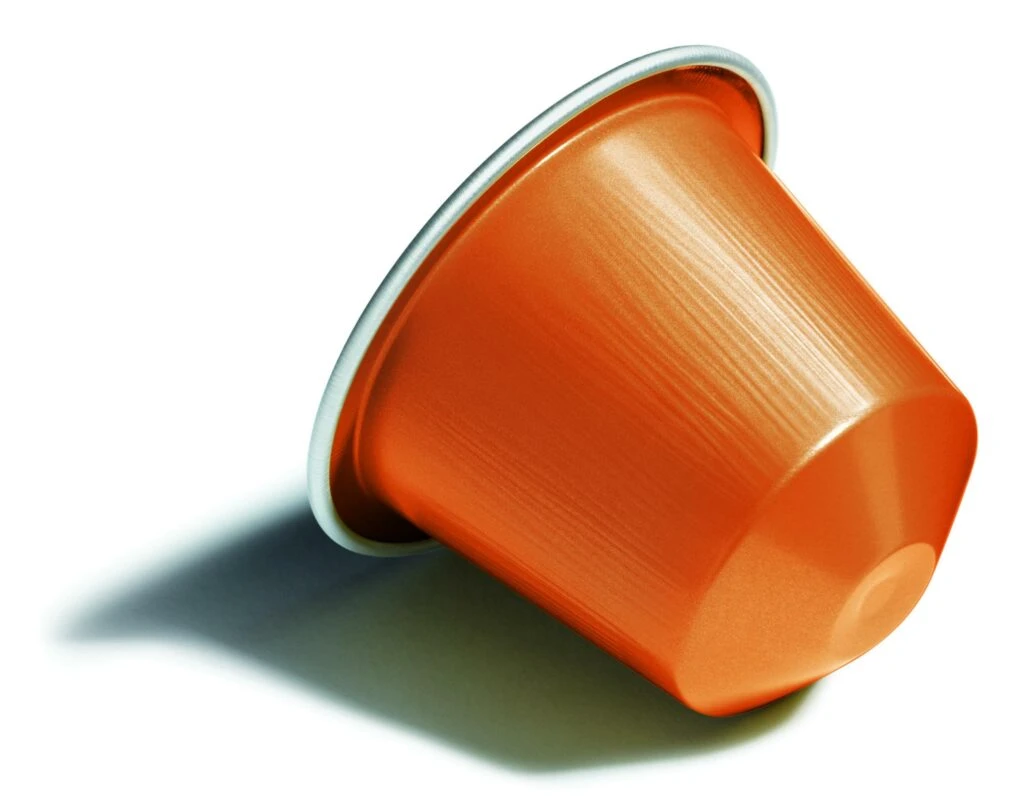
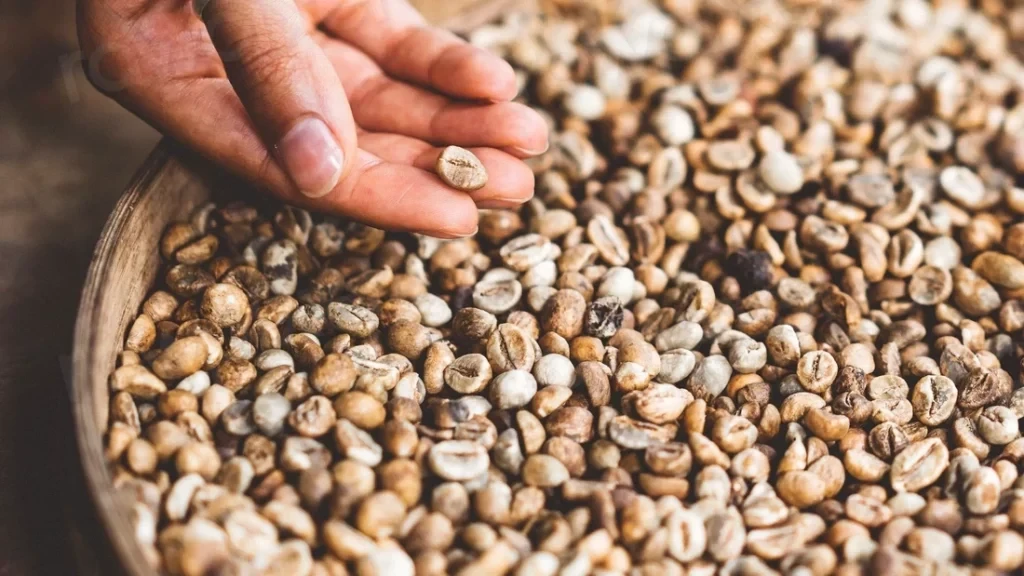
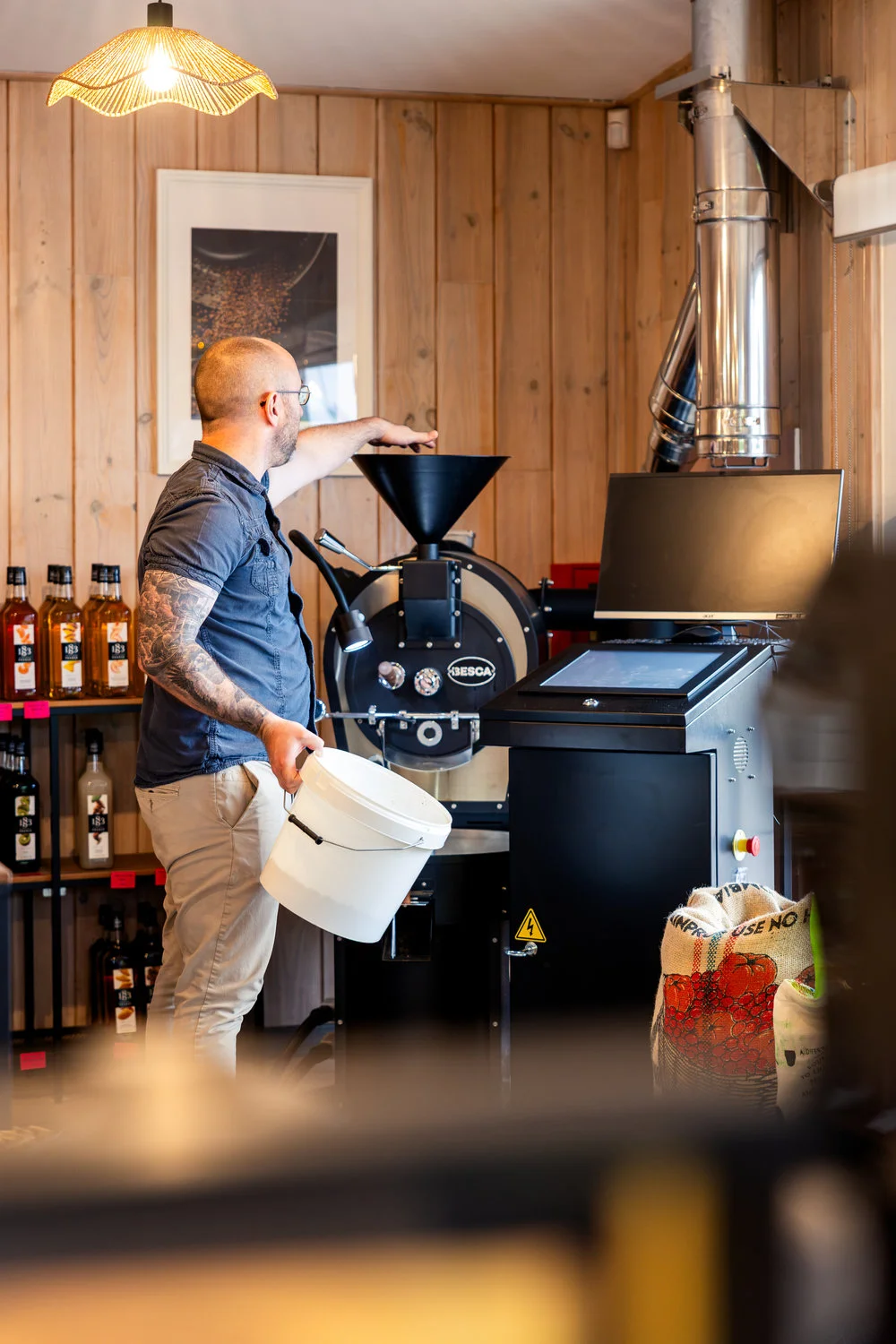
The early years were far from today's specialty focus: Benjamin kept placing capsule machines on consignment, selling the coffee that came with them. Only in 2015 did he pivot to whole beans, starting with mainstream Italian brands like Vergnano and Lavazza. The real turning point came in 2018, when he tried roasting himself a revelation, he told me, thanks less to the machine than to the people he met, chief among them Michael Piacontino of Couleur Cafés in Rouen, who steered him toward specialty after commodity-grade beginnings. That encounter is, quite literally, the brand's birth certificate.
Watching the roasting machine at work, it's hard not to feel that trajectory's weight: not a hobbyist's toy, but the tool of a self-taught craftsman, batch after batch chasing specific aromatic profiles rather than a generic "house blend."
Philosophy: specialty coffee as smoked salmon, not caviar
If you want Benjamin's philosophy in one sentence, he gave it to me himself: specialty coffee isn't caviar, it's smoked salmon. Caviar is deliberately exclusive, priced out of reach. Smoked salmon, by contrast, is a genuine step up yet stays attainable at a fair price. That's Benjamin's standard across his range: an excellent quality-to-price ratio, so the leap from supermarket coffee to specialty never feels like another world.
This translates into two commitments: valuing producers' work and responsible agroforestry not a marketing bullet point but a selection criterion, especially for the Signatures range and refusing to look down on traditional drinkers. Benjamin admits his own parents still can't do without supermarket coffee, and rather than judging them, he looks at them "with kindness," guiding them gently toward what he loves. That's why part of his range sits deliberately in "almost specialty" territory around 79/80 on the SCA scale at an accessible price a bridge, not a wall, taking commodity drinkers by the hand rather than demanding they arrive as connoisseurs.
Les Signatures: the thesis of targeted excellence
The Signatures range is where Benjamin's ambitions crystallize. Every coffee in this line must meet a strict set of criteria: the producer has to be clearly identified and named on the bag, agroforestry is mandatory, and the cup has to be genuinely expressive rather than merely clean. Colombia is, by his own admission, his favorite origin right now it's where he finds the fruity profiles he loves most with Ethiopia a close second.
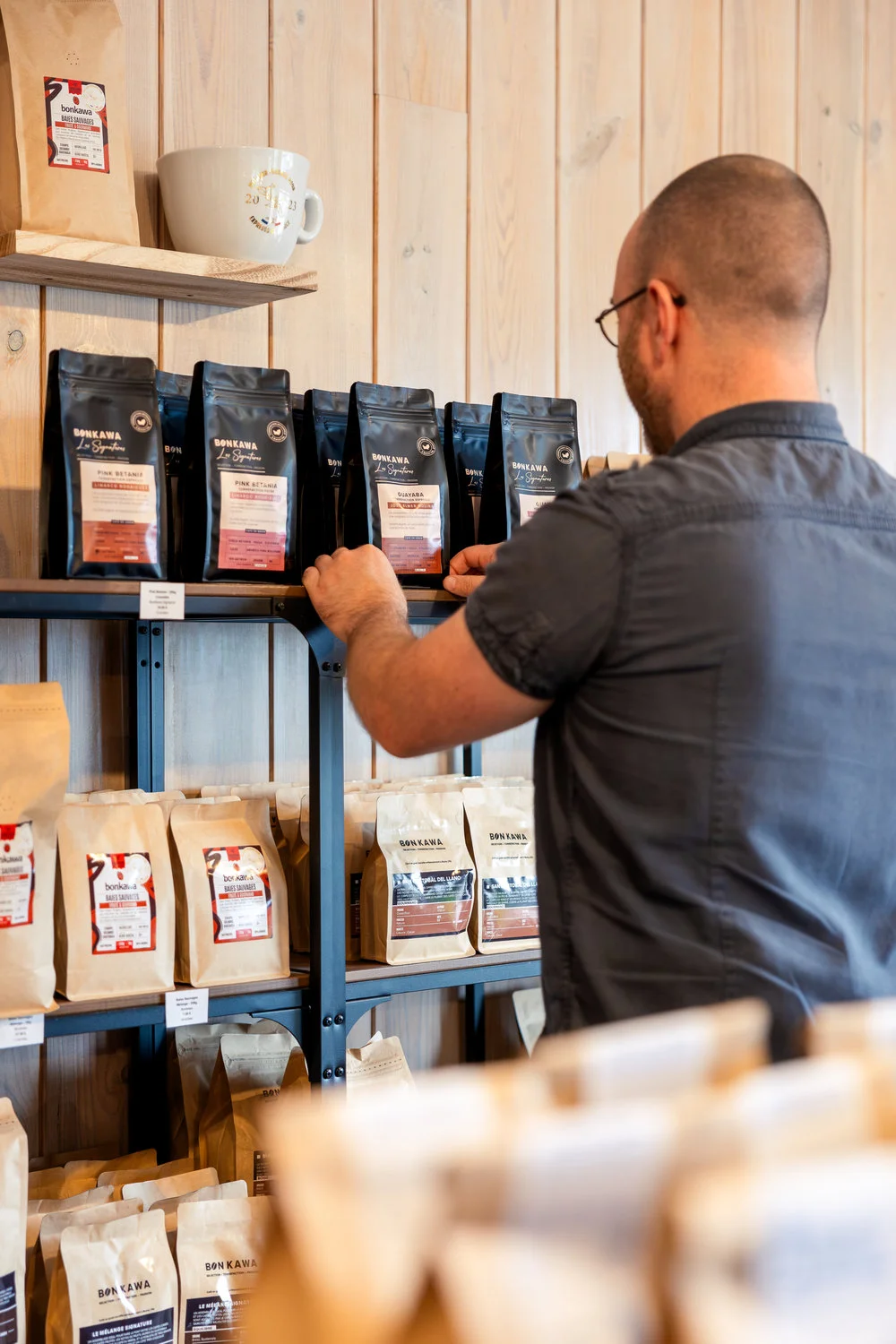
Here's where I want to state my thesis clearly, because it's the backbone of this whole tasting: both Signatures held up beautifully everywhere I brewed them. Filter or espresso, neither coffee ever felt like a compromise. But espresso is where each one truly opens up, revealing a level of depth and richness the filter roast can only hint at. That's not a flaw in the filter roast it's just espresso showing what these beans are really capable of.
Discovering New Roasters - January 2024
Monthly roaster subscriptions for specialty coffee: my experience with KB Roasters and Kawa in Paris, and whether this coffee discovery format is worth it.
Read the article →
Tasting Bench #1: Pink Betania (Linarco Rodriguez, Colombia)
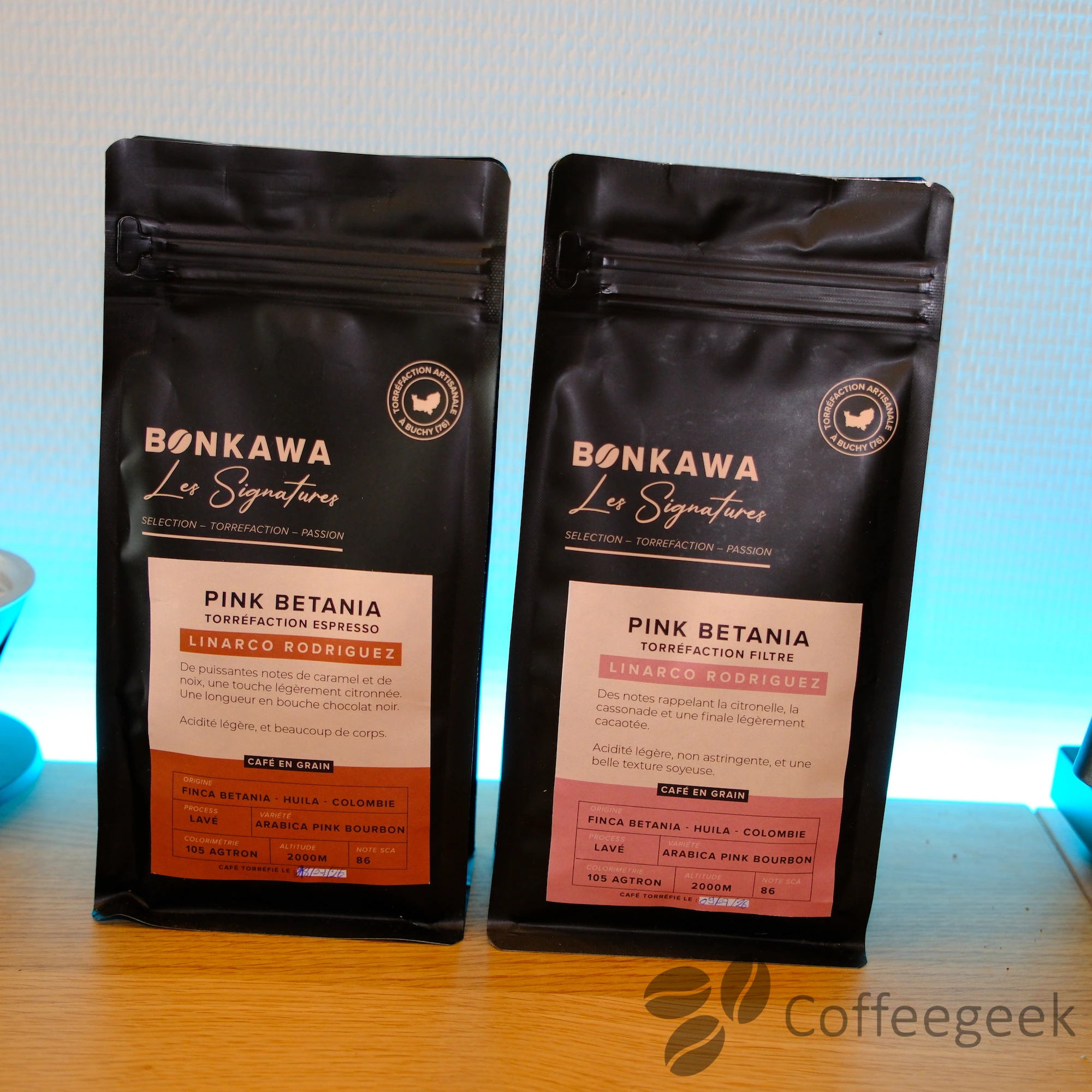
The Pink Betania comes from producer Linarco Rodriguez in Colombia, and the profile Benjamin promised me on the bag was slightly lemony, caramel, and nutty a fairly classic washed-Colombia signature, but with the expressiveness he specifically looks for. Au Bon Kawa roasts it in two separate profiles, one for filter and one for espresso, which is exactly what let me put my thesis to the test on equal footing.
Pour Over
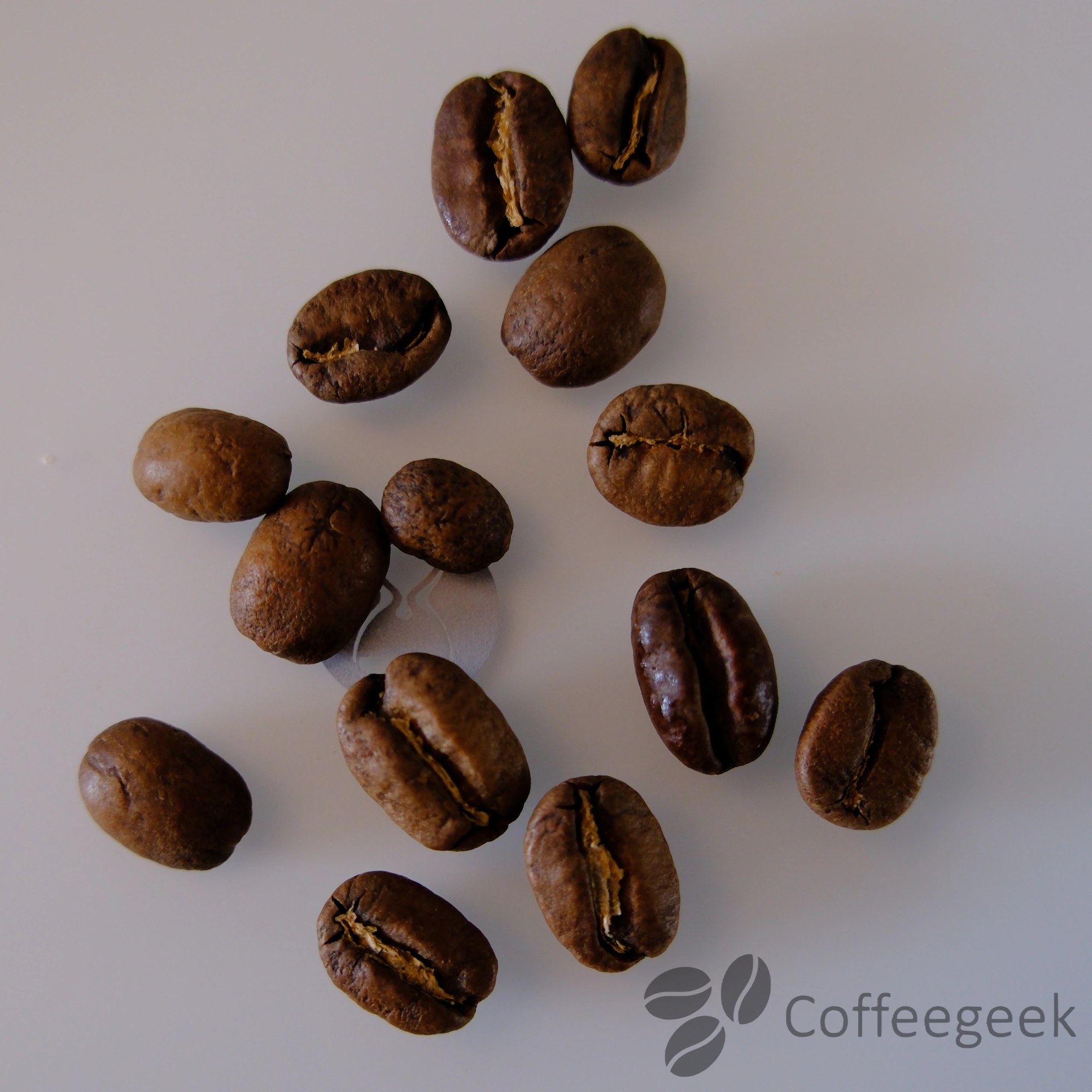
Here's how it performed in the cup. I weighed 16g on the Timemore Echo Dot, ground it on the Millab M01, and pulled it through a Timemore Vector dripper and the Pink Betania delivered exactly what Benjamin promised on the bag: lemony brightness, caramel sweetness, and a nutty depth, all clearly present in the cup. No harshness, no flat spots just a clean, well-balanced filter coffee that genuinely lives up to its label.
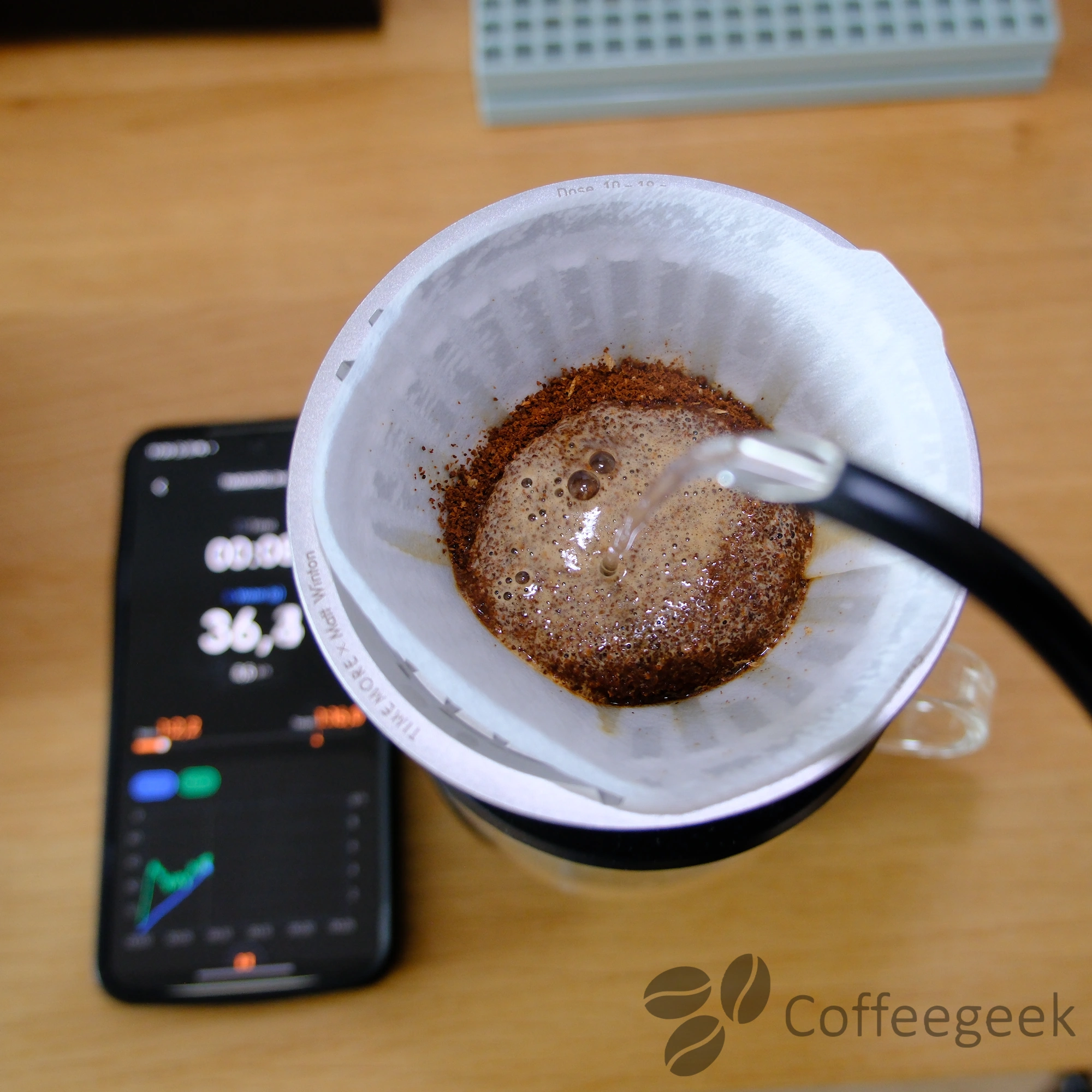
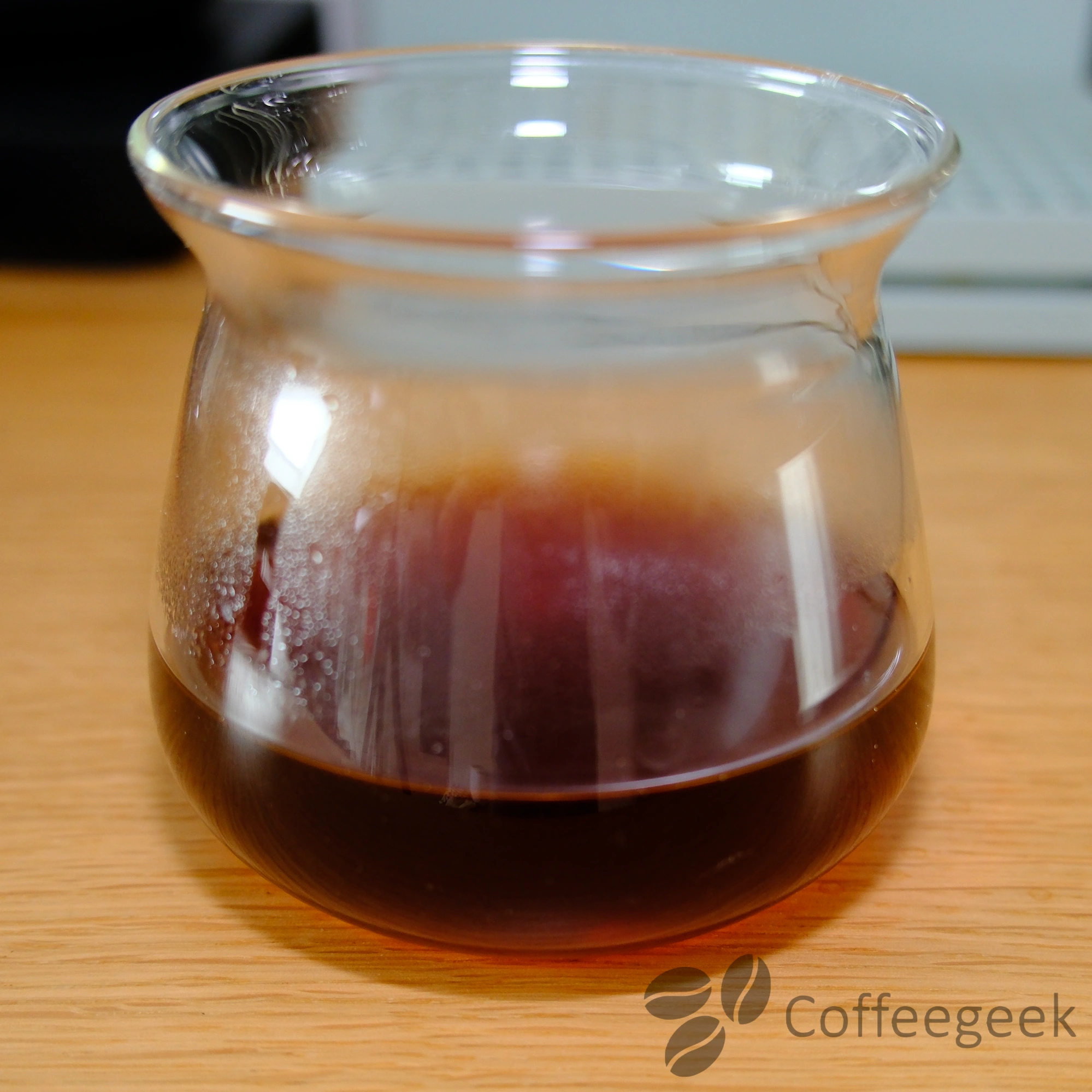
Genuinely good as filter coffee: the lemony, caramel, and nutty notes Benjamin promised all come through clearly, in a clean, well-balanced cup.
Espresso
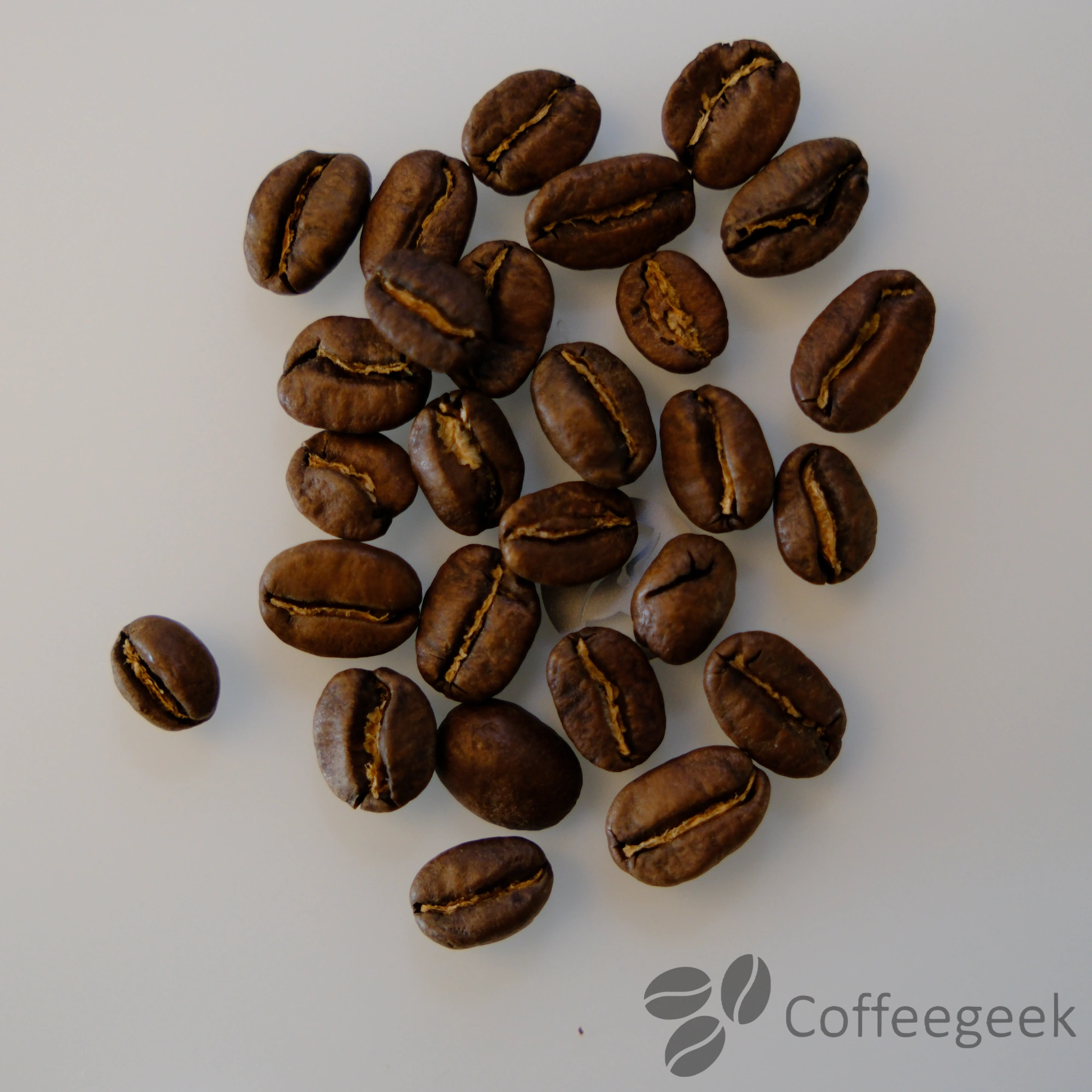
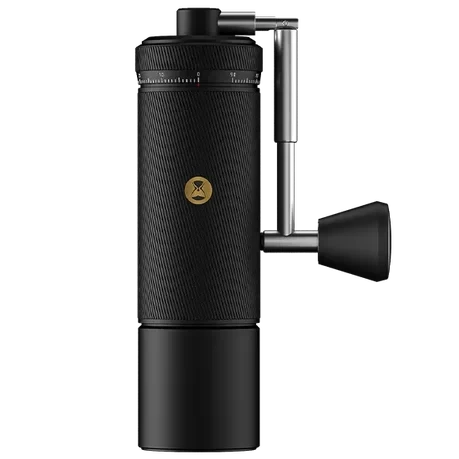
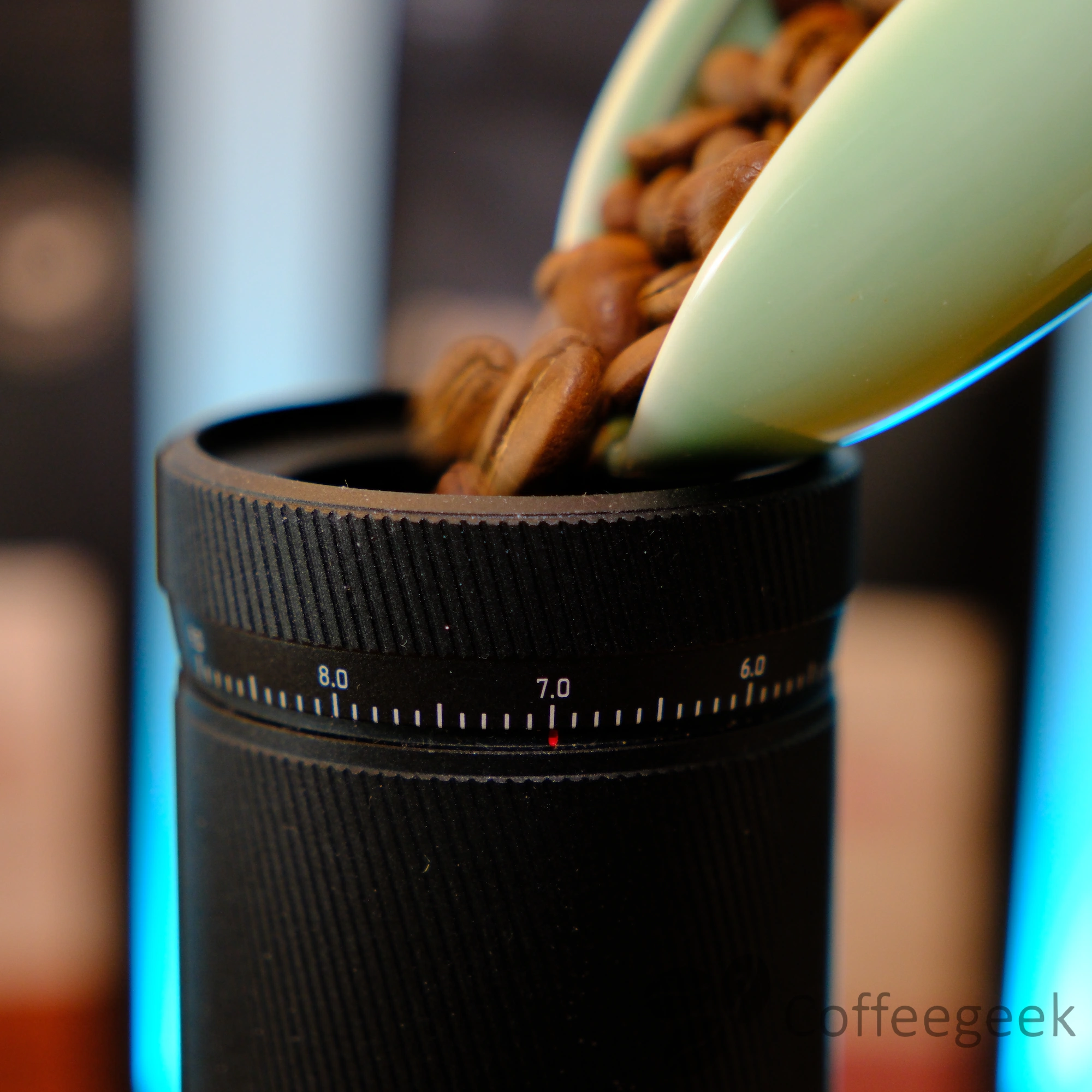
And then I switched to the dedicated espresso roast this time the darker profile Au Bon Kawa cuts specifically for pressure, not the filter roast I'd just tested and pulled it as an espresso: 18g weighed on the Timemore Basic 3, ground on the Timemore S3 ESP, and pulled on my Lelit Mara X v2. What a difference. Under pressure, this coffee turned into an absolute revelation syrupy, dense, with the caramel and nutty notes pushed to the front and the citrus acidity folded in as a bright counterpoint rather than a sharp edge. It's proof that Au Bon Kawa's dual-roast approach pays off: same producer, same lot, but a profile tuned specifically to shine under pressure.
The first sips bring a light, clean bitterness with just a whisper of acidity, but it's the body that stands out full, round, and carrying the nutty character all the way through. It's not overly sweet, not spiced, and roasted a touch darker than what I usually drink, but the balance is exactly what makes it work.
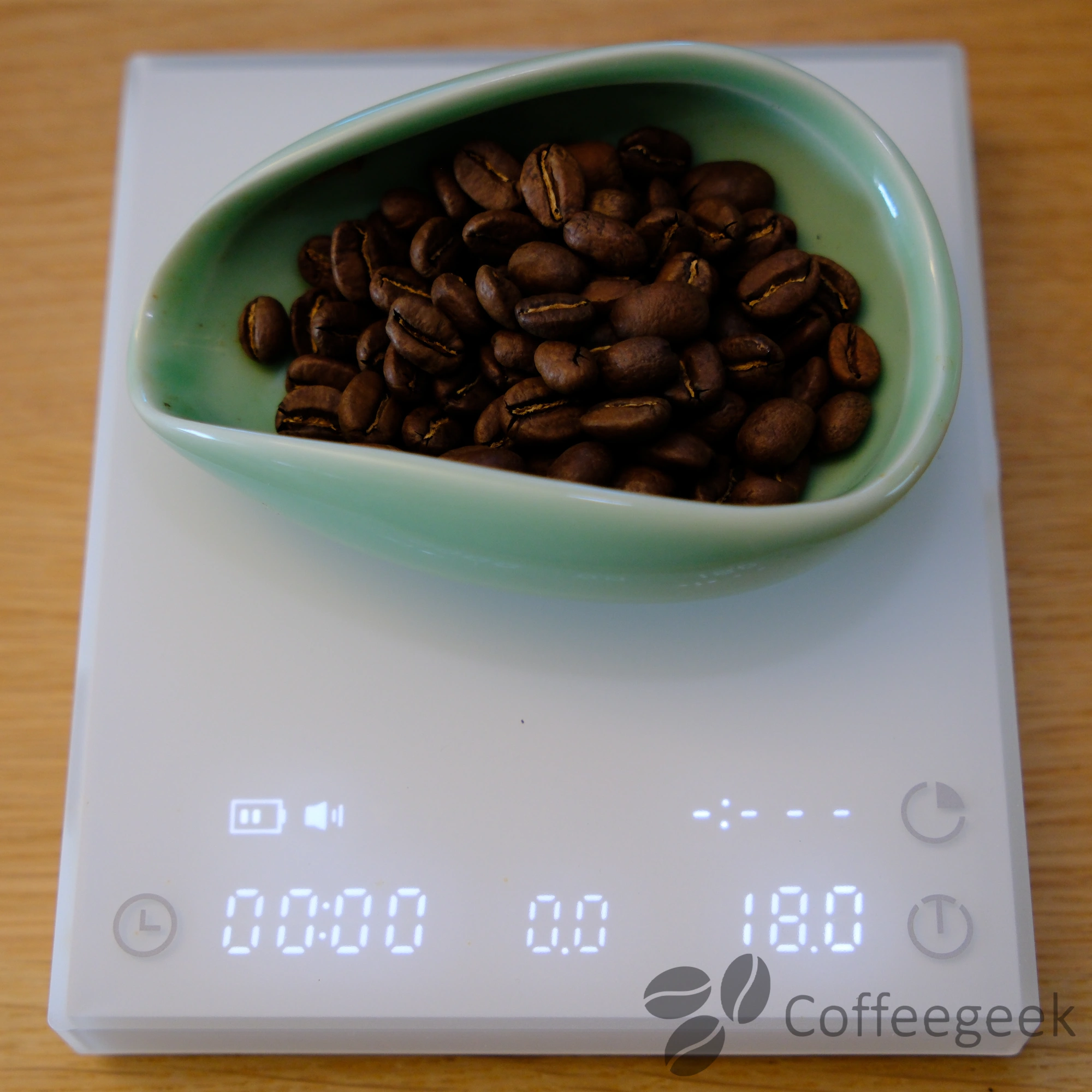
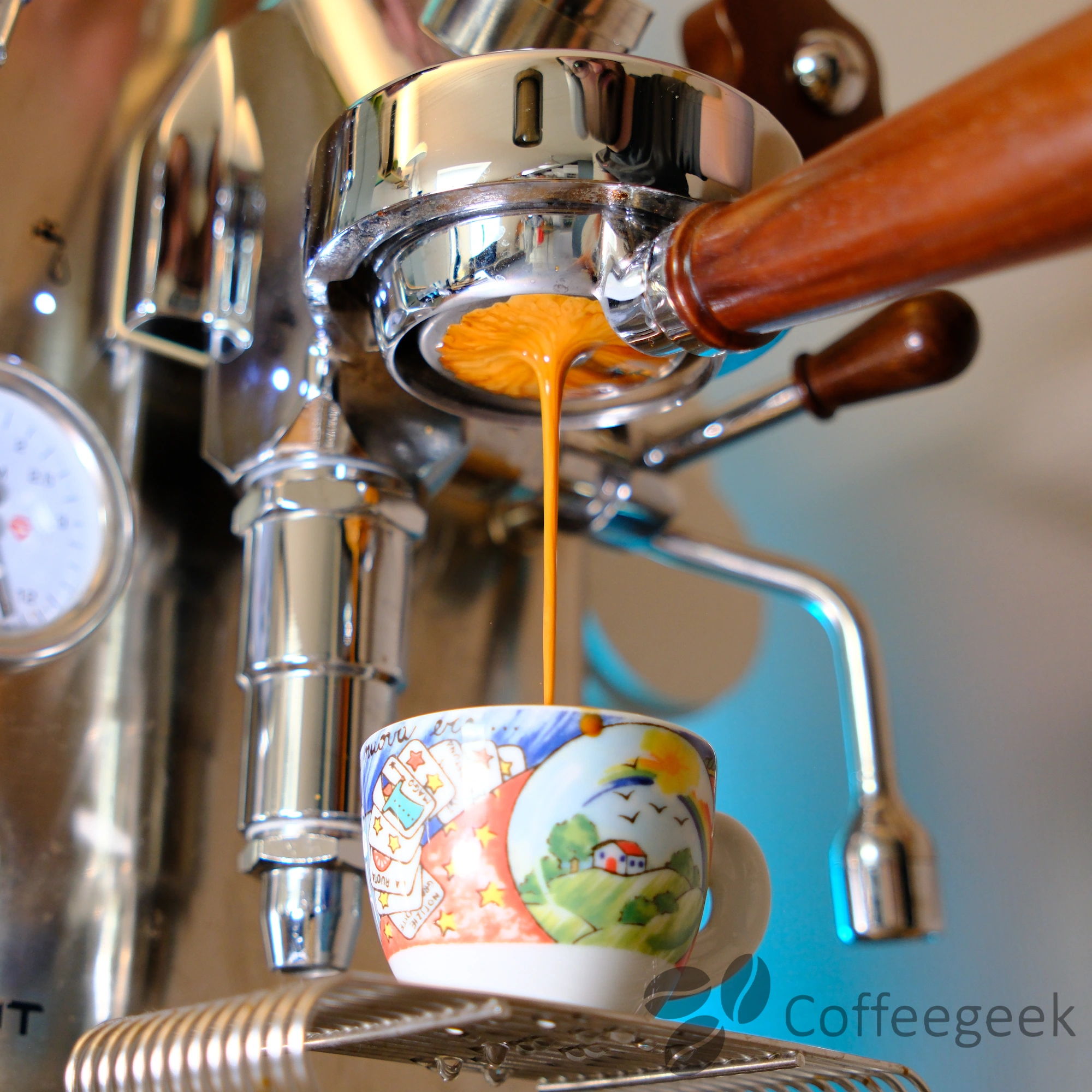
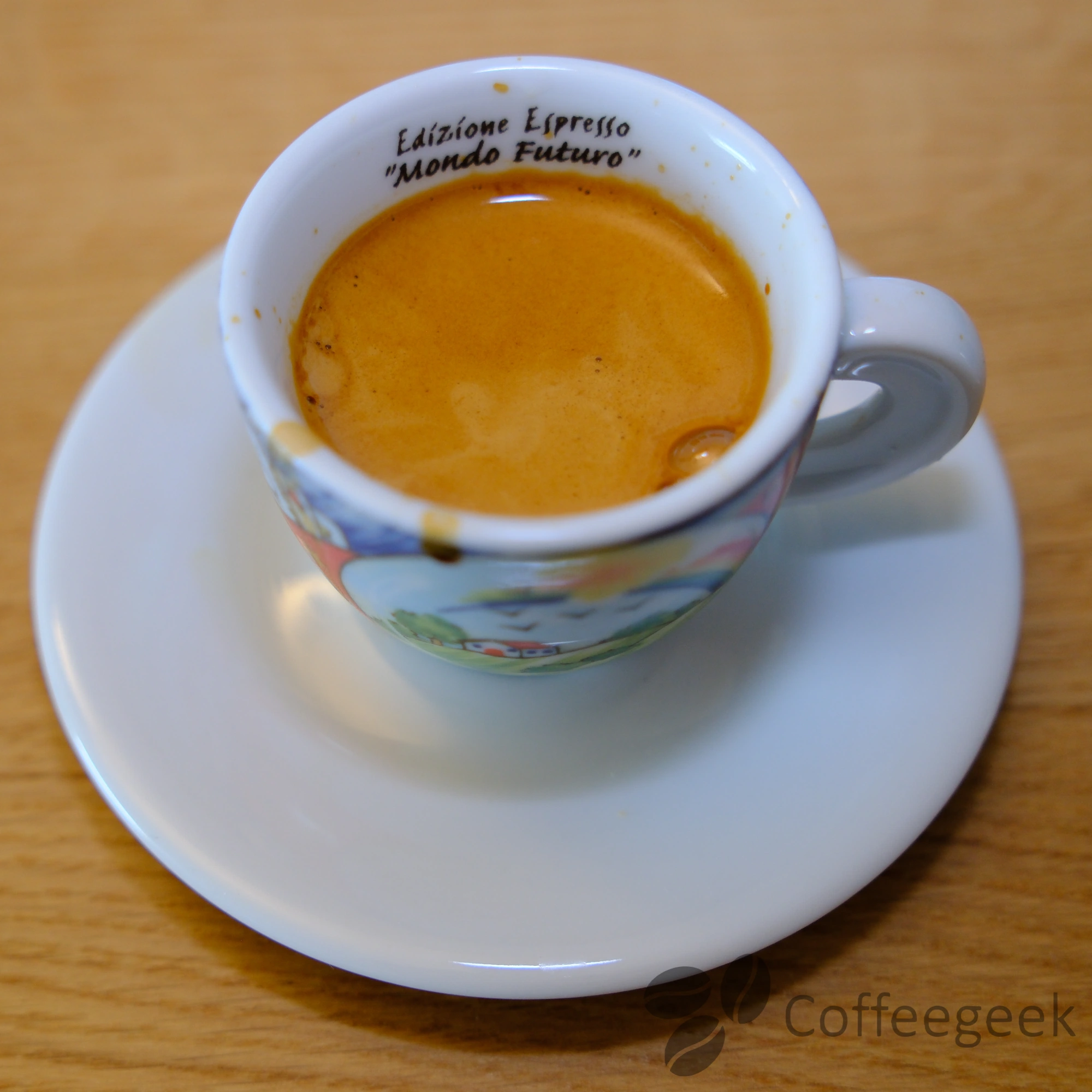
A syrupy, explosive shot with caramel and nutty richness up front and a clean lemony lift underneath a genuinely satisfying espresso.
Tasting Bench #2: Guayaba Nature (José Elmer Molina, Colombia)
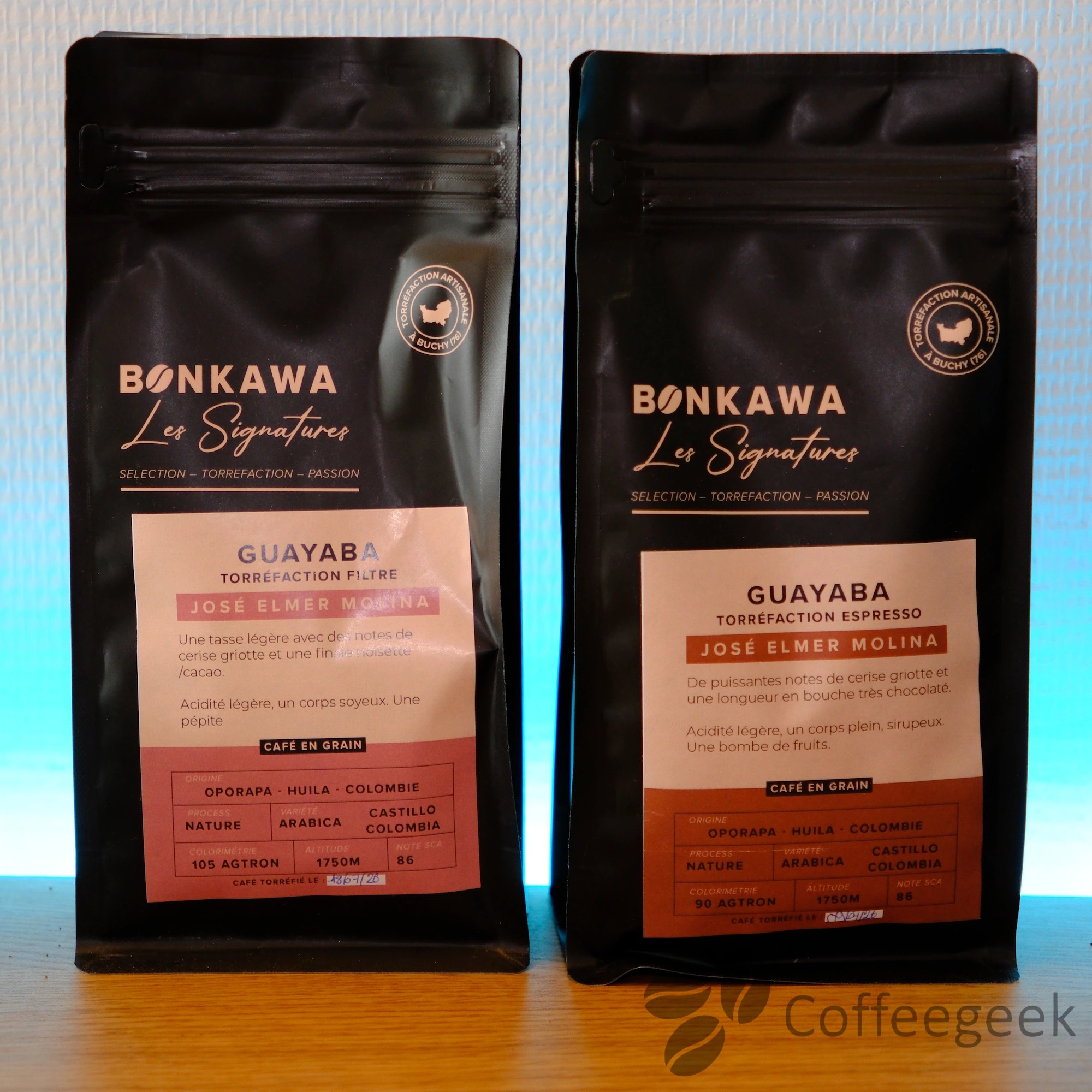
The second Signature, Guayaba Nature, comes from producer José Elmer Molina, also in Colombia, processed as a natural. Benjamin's promised profile here was cherry notes with a very chocolatey finish the kind of fruit-forward, dessert-like cup that natural processing tends to produce, and like the Betania it comes in a dedicated filter roast and a dedicated espresso roast.
Pour Over
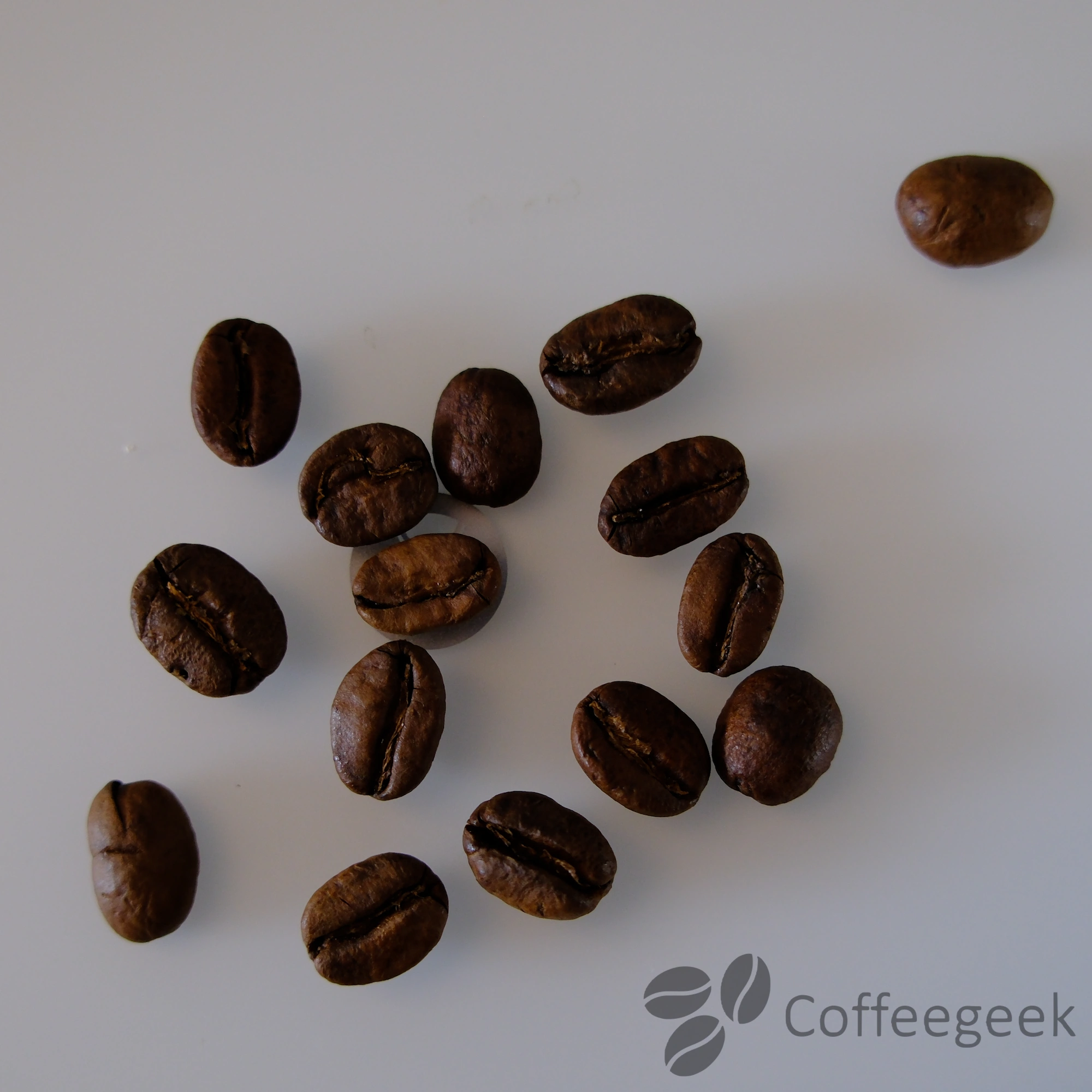
Unlike the Pink Betania, the Guayaba Nature behaved more evenly across both methods, though it still had a clear favorite. I weighed 16g on the Timemore Echo Dot, ground it on the Millab M01, and pulled it through the Timemore Vector dripper: the cherry notes came through vividly on the nose and the first sips, with the chocolate settling in as the cup cooled round, light, genuinely pleasant, exactly the kind of "very present aromas" Benjamin described when he told me how much he loves these coffees.
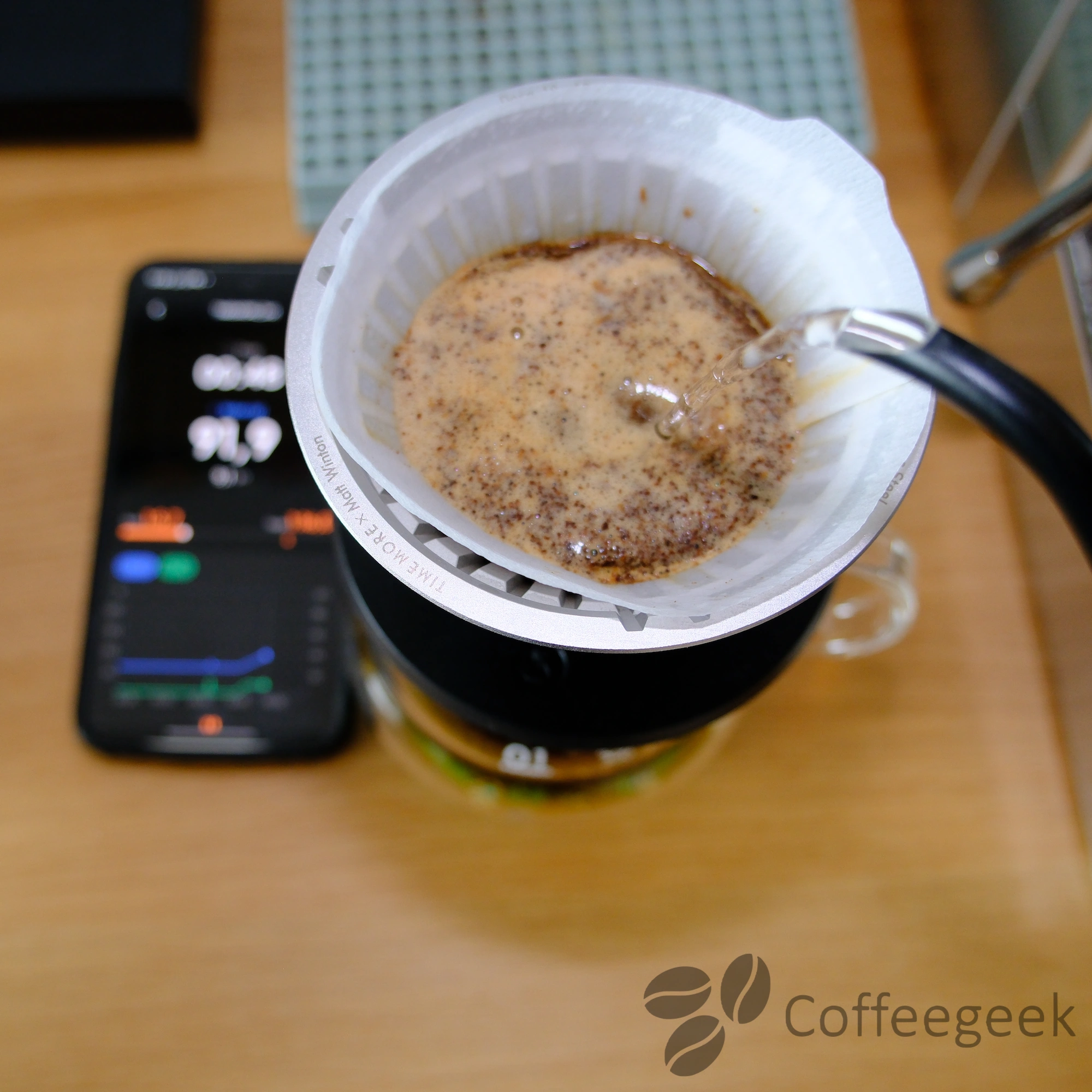
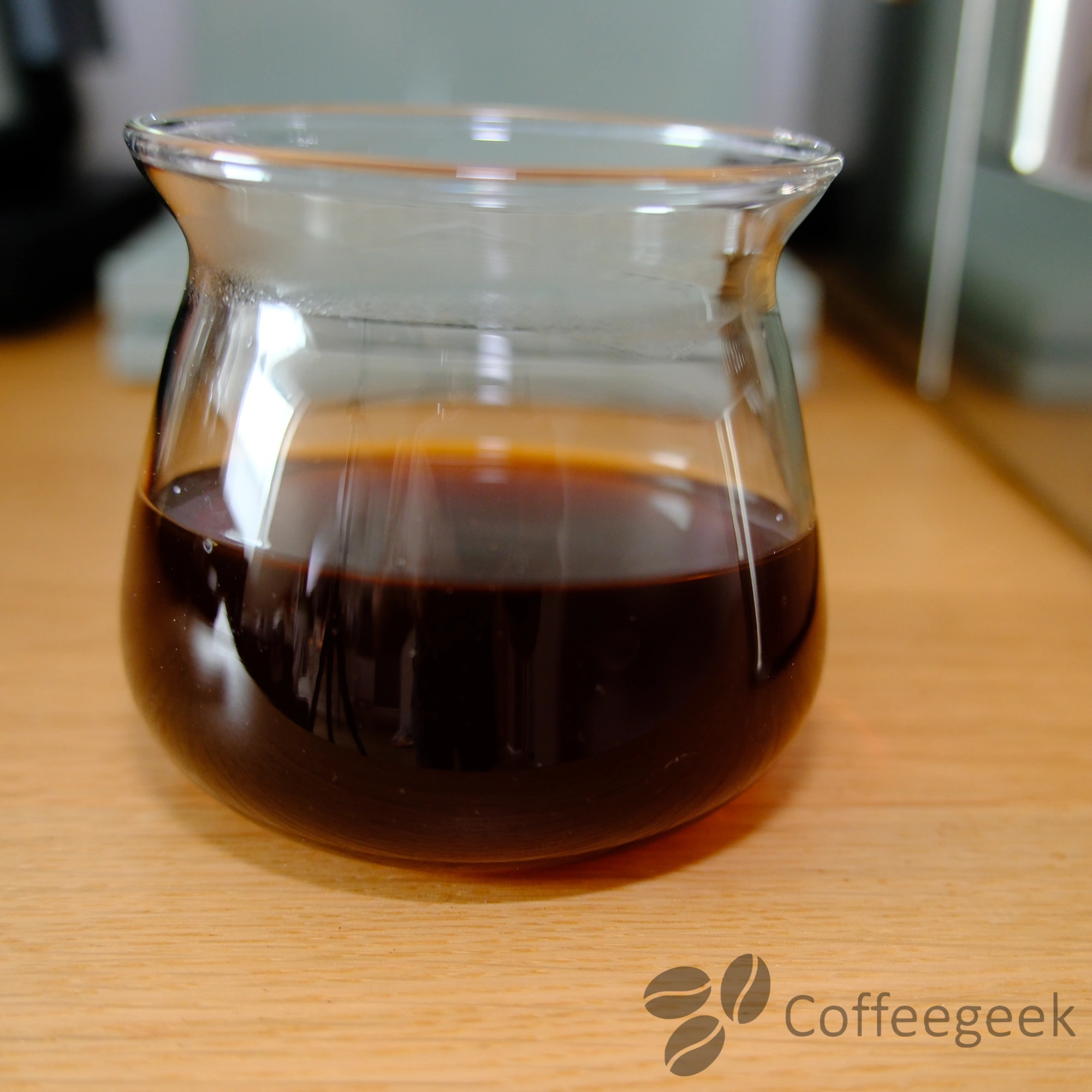
Vivid cherry on the nose and first sips, chocolate settling in as the cup cools elegant and fruit-driven.
Espresso
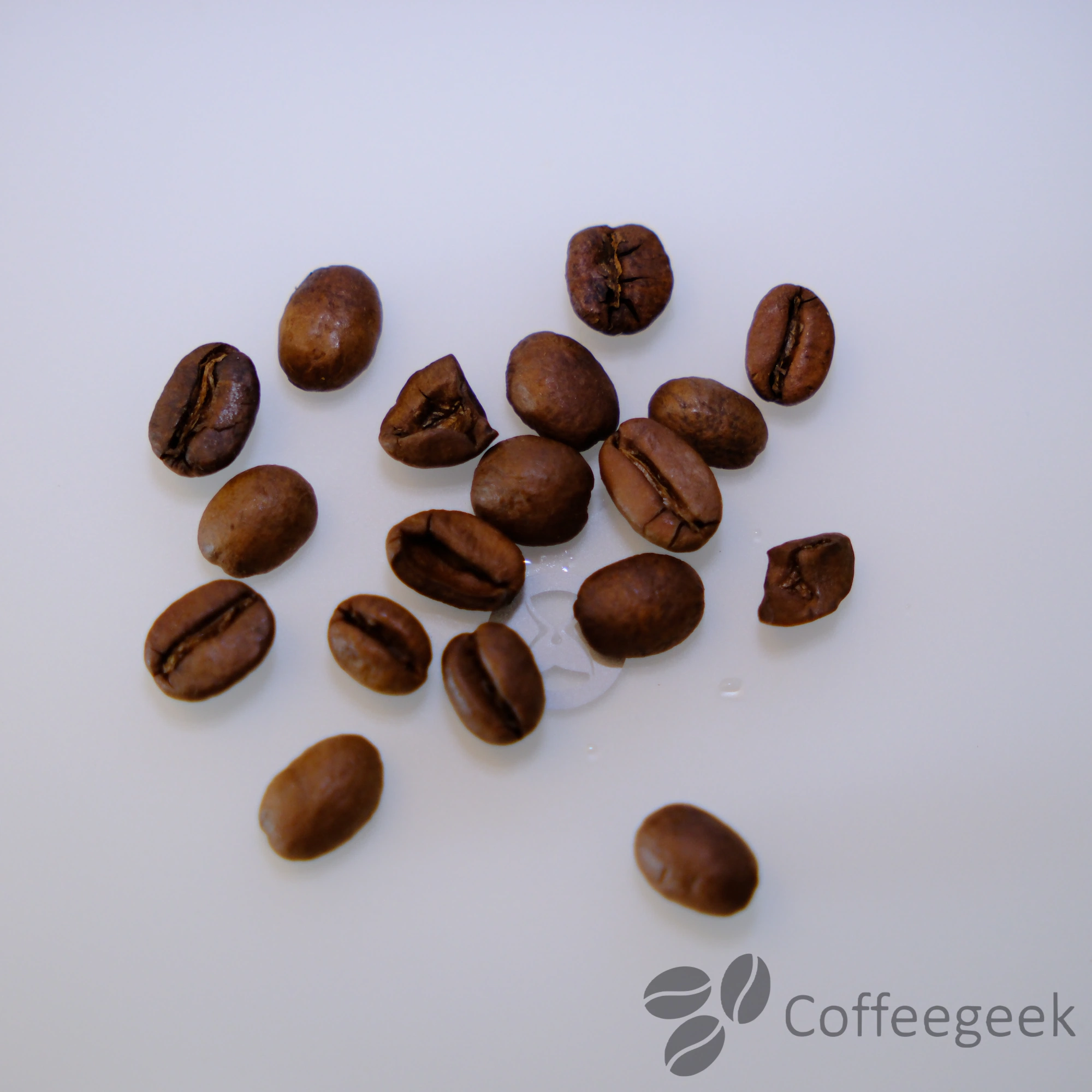
As an espresso, 18g weighed on the Timemore Basic 3, ground on the Timemore S3 ESP, and pulled on my Lelit Mara X v2, the Guayaba Nature stepped up another level: the natural processing's sugars turned into real body and richness, with the cherry fruit intensifying into something closer to dark cherry jam wrapped in a thick, chocolatey crema. Like the Betania, it's excellent across the board, but espresso is where it truly opens up.
This is the one that won me over even more than the Betania: fruity and round on the nose, with soft chocolate touches, a body that's present without ever getting heavy, and a light acidity right on the first sips that I really love. Best balance of the two Signatures, hands down.
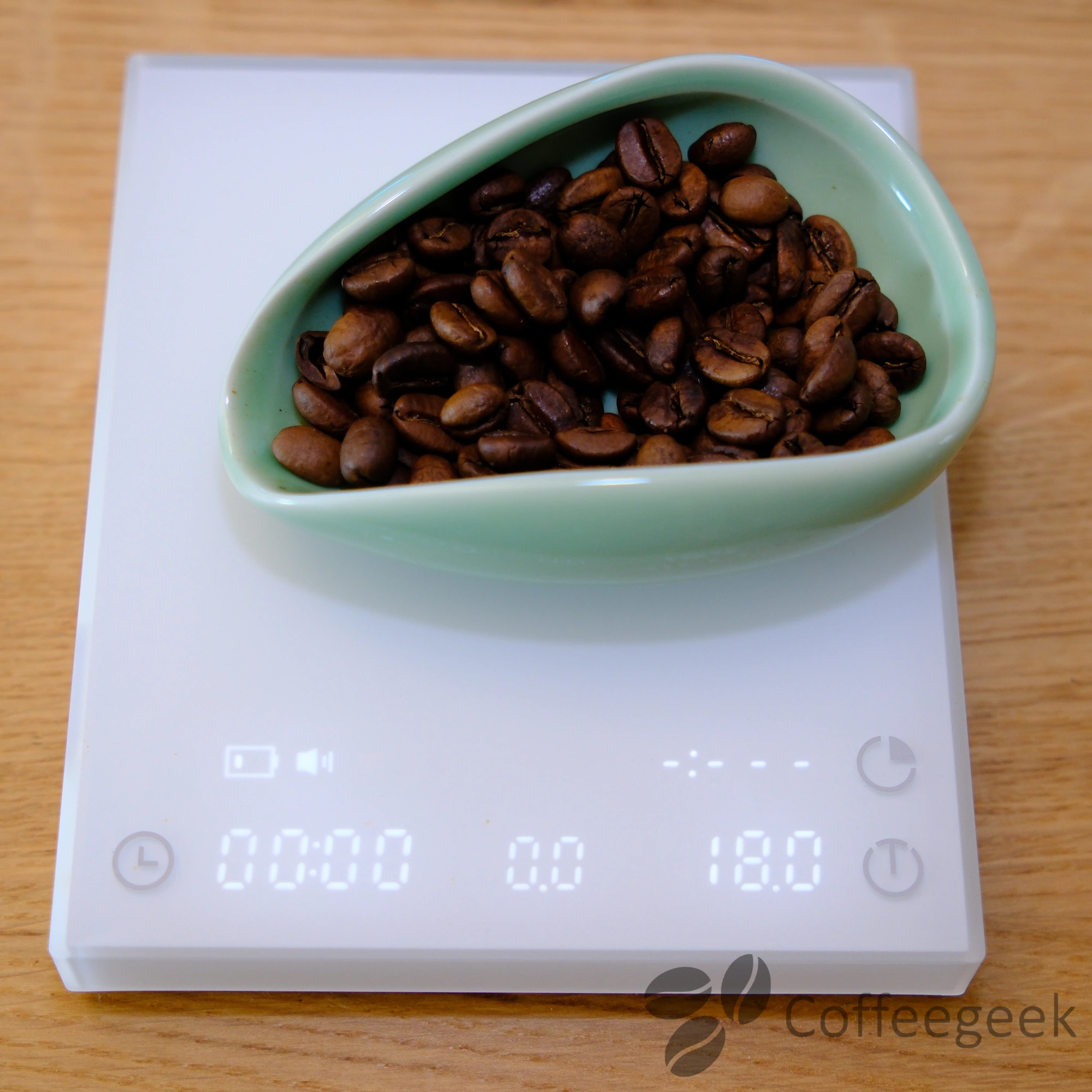
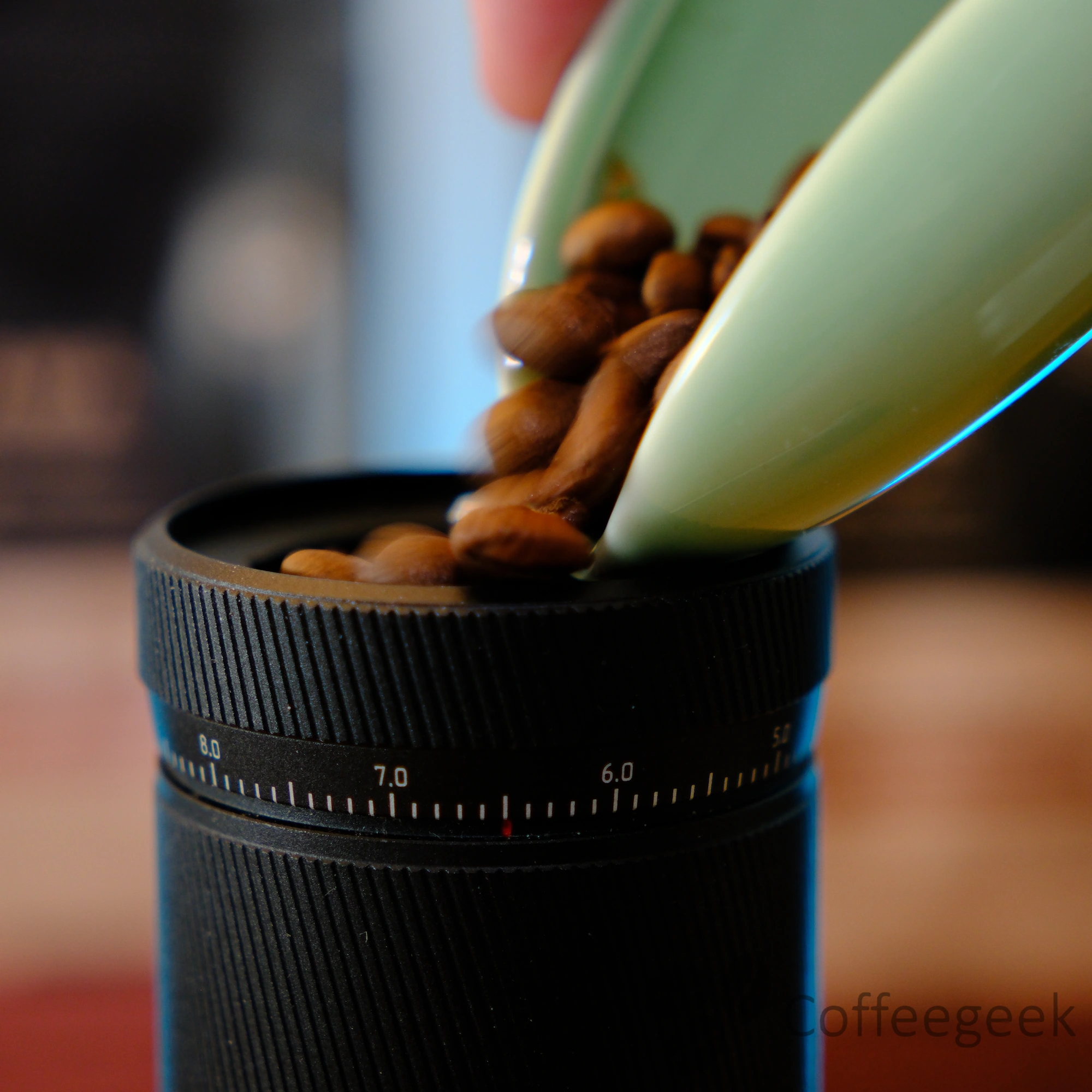
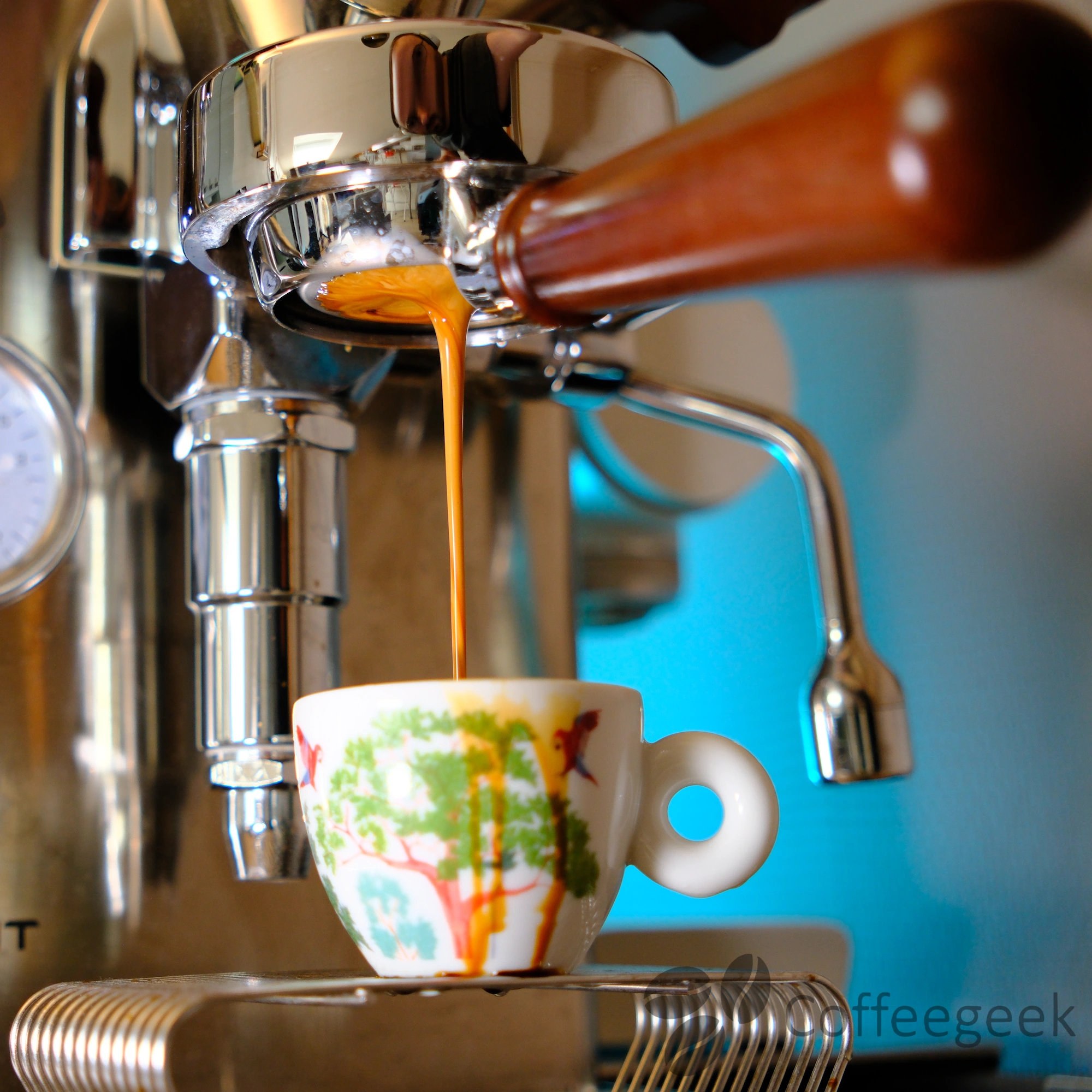
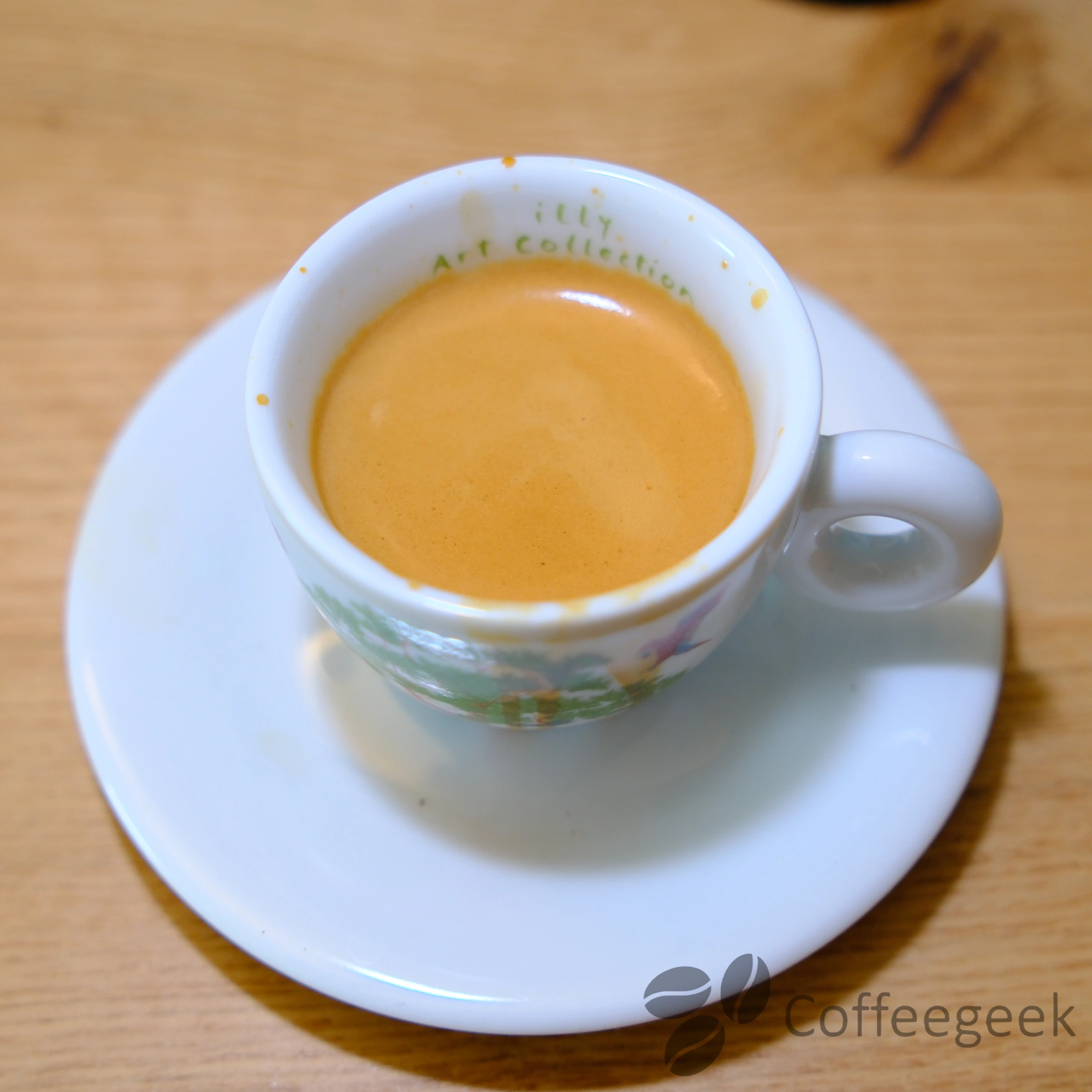
Fruity, round, and chocolate-touched, with body that stays in check and a light, likeable acidity on the first sips the better balanced of the two Signatures, and my favorite pull of the tasting.
My verdict on Au Bon Kawa
Benjamin's mission proving a small provincial roaster can make coffeegeek-compatible specialty coffee without inflating the price comes through clearly in these two Signatures. He's not chasing hype or exclusivity, but a fair relationship between quality and price, inclusive of enthusiasts and supermarket-coffee loyalists alike. That mix of ambition and humility is rare, and it shows in the cup.
The bigger lesson from this crash test: don't assume you've hit a coffee's ceiling after just one brew method. Both Signatures were genuinely excellent as filter coffee, but pulling them as espresso revealed an even richer, more intense side of the same beans.
One purely selfish, geeky wish for next time: a slightly lighter roast on these Signatures not because they need it, but because I'd love to see just how far the fruit and acidity could go.
You can find the full Signatures range directly at Au Bon Kawa.