
A coffee's terroir does not end with the soil and the altitude: it also plays out in the fermentation tank. A study published online on December 18, 2025 in Food Chemistry: Molecular Sciences follows that stage for 72 hours in a washed arabica. It belongs to the journal's June 2026 issue. The coffee comes from Monte Tsetsera, in Chimanimani National Park, Mozambique. A few microbes take over, and floral and fruity compounds surge.
Variety, altitude, climate and soil are the factors usually cited to explain a coffee's sense of place. The ten authors work in Brazil, Portugal, Mozambique and Canada. They add a further idea: microbial terroir, or "the connection between local microbial communities and sensory expression". They describe their work as the first multi-omics study of coffee fermentation in Africa, which here means combining chemical analysis with DNA sequencing.
What does fermentation do in a washed coffee?
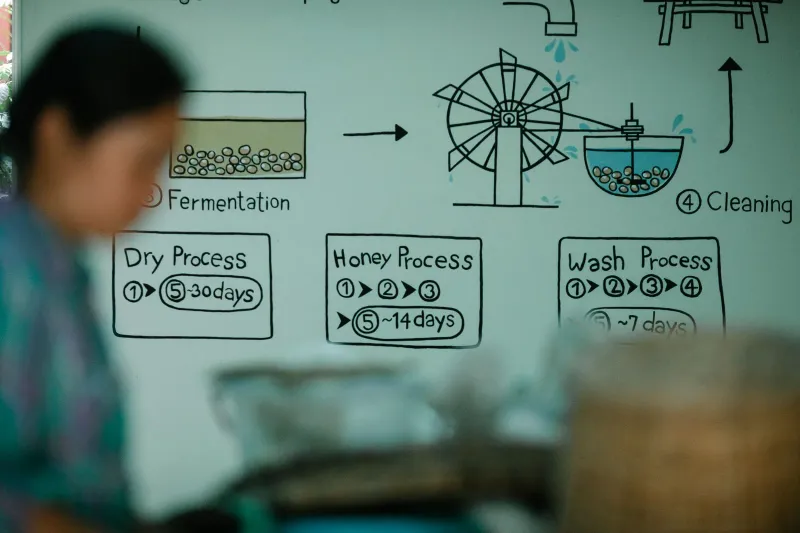
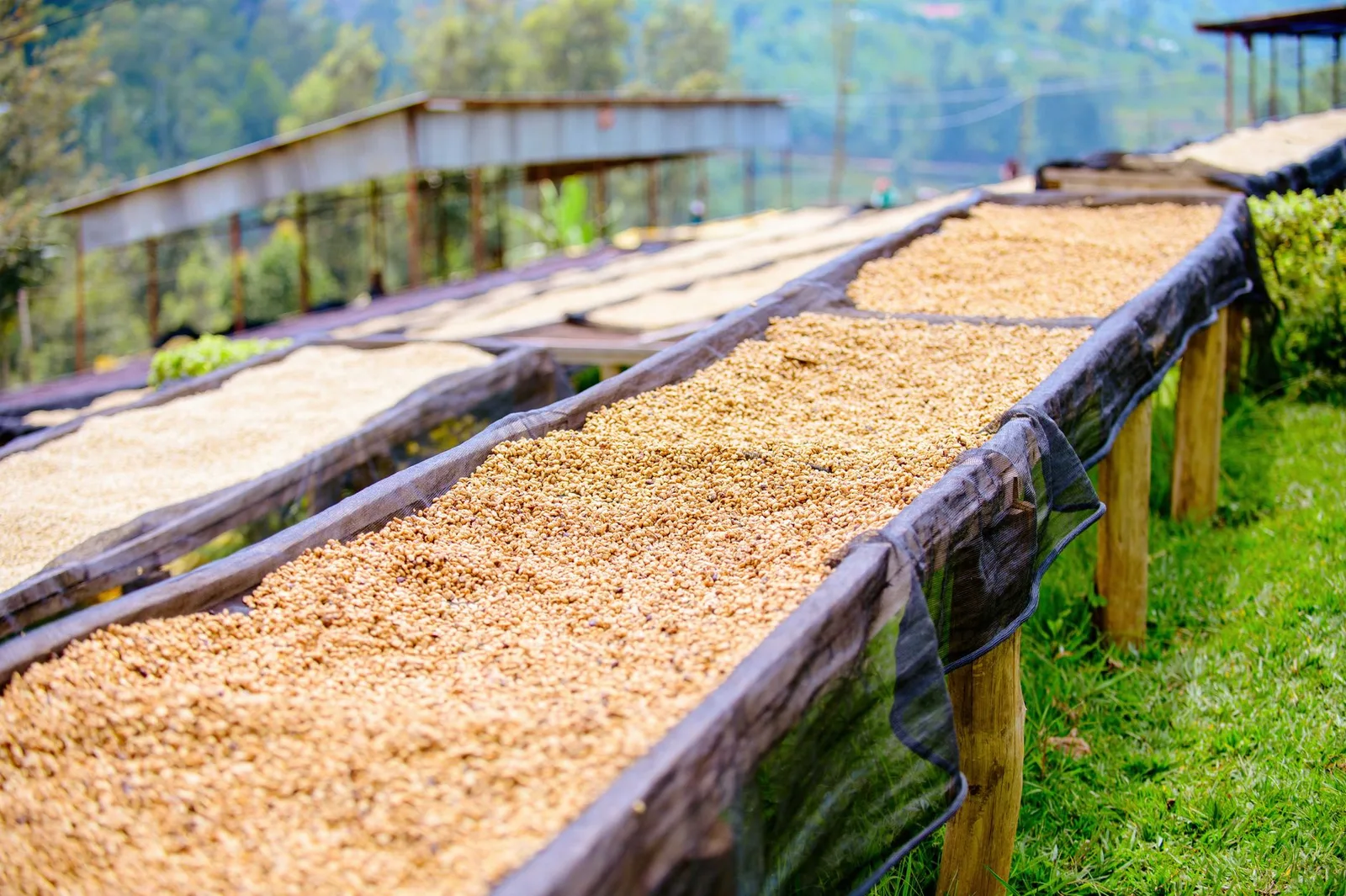
The washed method dominates specialty coffee, and it varies widely from one producer to another. First, a mechanism pulls off the skin and most of the flesh of the cherry. The bean comes out covered in a layer of mucilage. It then ferments in a tank or trough of water until that layer is broken down enough to wash away, and drying follows.
Timing is critical for quality. Fermentation can last up to 72 hours, depending on temperature, altitude, the amount of mucilage and the concentration of certain enzymes. Some producers rub the coffee to check: it squeaks once the flesh has broken down. Left too long, it can pick up negative flavors.
Removing the mucilage is itself a reaction driven by enzymes naturally present in the cherry. So what are all those microbes doing in the water?
What happens to a coffee during 72 hours of fermentation?
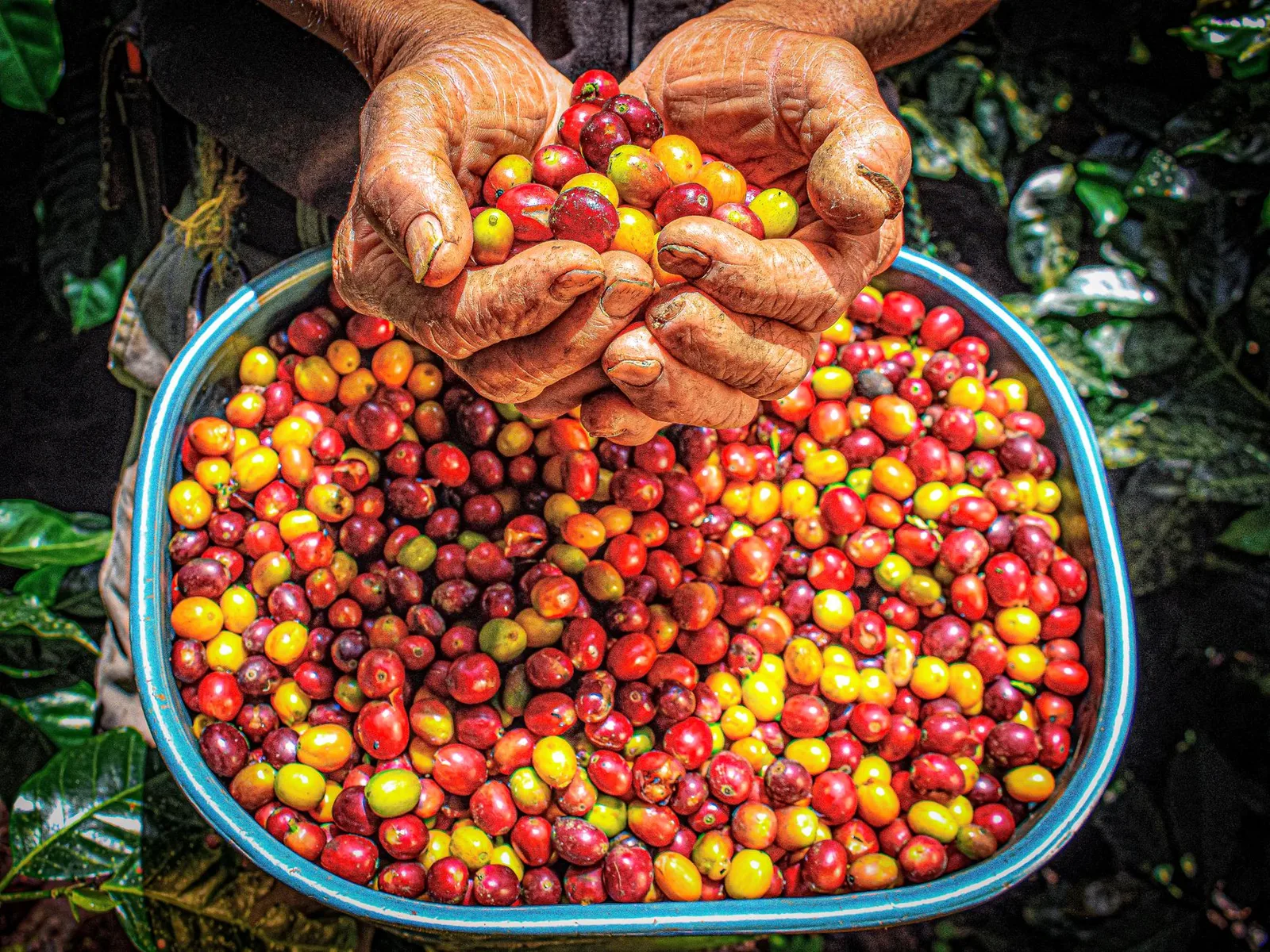
The study ran in June 2024, during the harvest. About 12 kg of ripe Coffea arabica cherries were picked by hand and depulped, then split into three portions of about 4 kg. Each went into a sterile plastic container with 4 L of fresh, non-chlorinated water. Research works at this small scale: the setup reproduces in miniature the fermentation that producers run in tanks at industrial scale.
No culture was added: this was a spontaneous fermentation, on the farm, at 20 to 30°C by day and 14 to 20°C at night. The beans were stirred by hand every 24 hours, and the liquid was sampled six times. The beans were then thoroughly washed and dried in an air-circulation oven.
Microbial enzymes split the sucrose into simpler sugars within the first hours. Fructose fell from 5.57 to 0.19 g/L, and glucose from 4.34 to 2.48 g/L. Lactic acid showed the sharpest rise among organic acids, reaching 10.47 g/L at 72 hours.
The analysis identified 74 volatile compounds, including 15 alcohols, 9 esters and 10 alkanes, so not all of them are aromas. The key change comes over time: pulp compounds up to 36 hours, then microbial alcohols and esters from 48 hours.
Leuconostoc, Hanseniaspora, Galactomyces: who are the main players?
A varied community, attributed to the environment, the cherries and handling, gave way to a few well-adapted groups. Three names stand out.
Leuconostoc is a lactic acid bacterium. It went from 34.42% of the bacterial community to 89.99% at 72 hours, which fits the build-up of lactic acid. The green beans held 0.78 mg/g of that acid, mainly microbial in origin and associated with acidity, body and smoothness in the cup.
Lactobacillus, which tolerates acid better, typically overtakes Leuconostoc in coffee fermentations. Here Leuconostoc stayed dominant to the end. It was also prevalent in every fermentation of a Yunnan trial, so this result is not an isolated curiosity.
Hanseniaspora is a yeast widely recognized for producing high levels of esters. It climbed from 4.15% of the fungal community to a peak of 67.63% at 48 hours. Fructose fell further than glucose, the reverse of the usual pattern in coffee, and this genus is often linked to a preference for fructose.
Galactomyces started at 11.28% and dominated the end of the run, with 44.82% at 72 hours. In dairy products and cocoa, it has been associated with buttery, creamy and honey-like flavors, which this study did not measure.
The pairing is the real surprise. Pichia is the yeast most often reported as dominant, notably in Colombia, Ecuador and Australia. Seeing Hanseniaspora and Galactomyces together appears to be a first, in coffee fermentation or any other known fermentative system.
Producers can steer this. In a controlled Yunnan experiment, fermentation length had the greatest impact on bean composition and sensory quality among the parameters tested. Variety and local geography also set each parameter's strength.
Yeasts push further. Wet fermentations seeded with the yeasts H. uvarum or P. kudriavzevii gave 2 to 3 times more metabolites, the compounds microbes produce, in green beans than a spontaneous control. Their cups also scored higher for flavor, aroma and acidity. Those metabolite levels fell sharply after roasting but stayed higher.
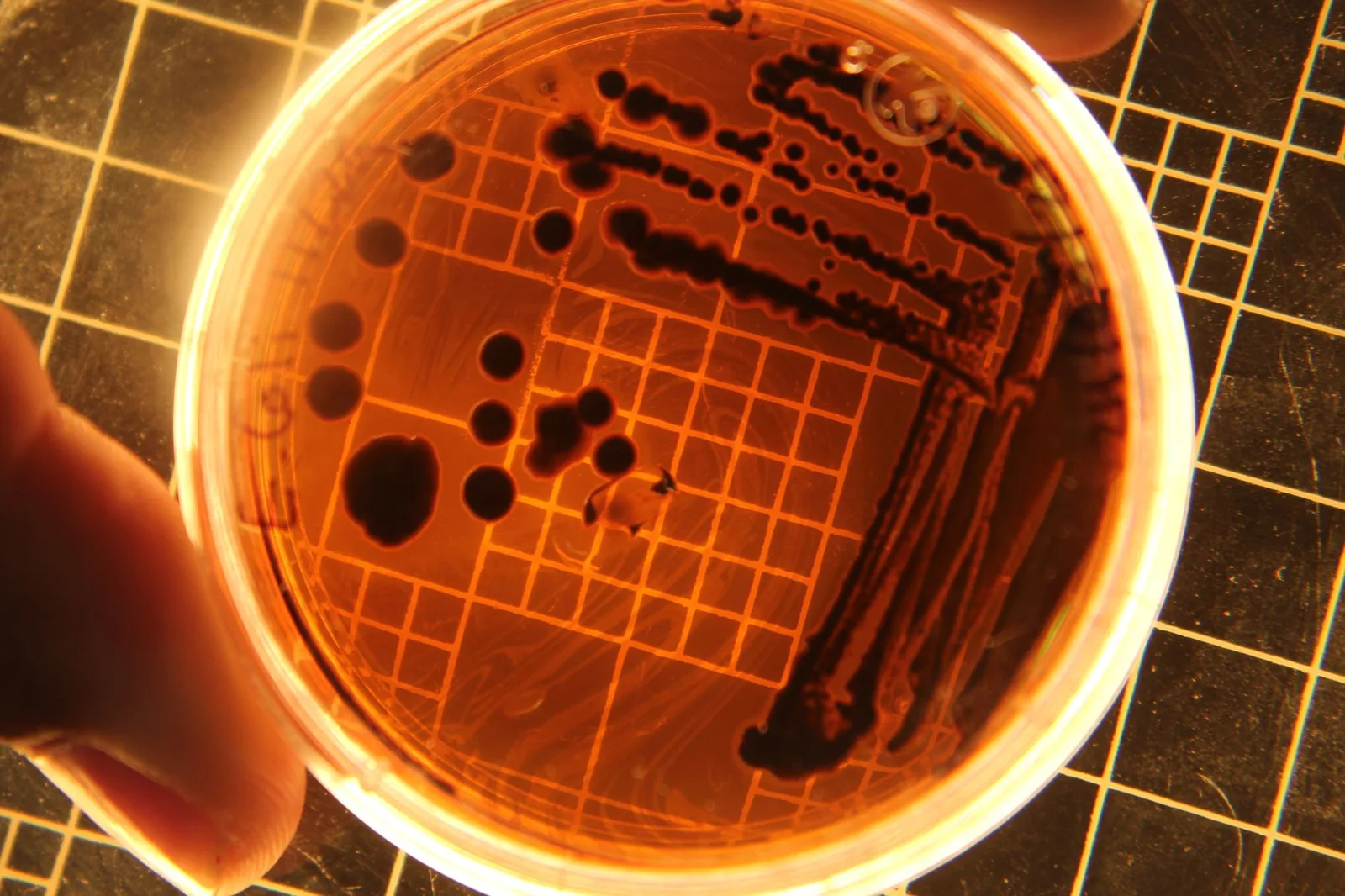
Where do the floral and fruity molecules come from?
The Ehrlich pathway is simpler than it sounds. In a few steps, yeasts convert an amino acid, phenylalanine, into a fragrant alcohol: phenylethyl alcohol, with its rose-like aroma. Esters bring the fruit: they form when an alcohol reacts with an acid, or a derivative of one.
| In the fermentation liquid | Aroma | Earlier value | At 72 hours |
|---|---|---|---|
| Phenylethyl alcohol | Rose-like | 0 at the start | 376.90 |
| Linalool | Floral | 20.62 at the start | 475.45 |
| Ethyl acetate | Fruity, sweet | 200.82 at 60 hours | 7,842.38 |
Values are estimates rather than exact concentrations: they are given in µmol/L of phenylethyl-alcohol equivalents, because standards were not available for all 74 compounds.
Linalool was already present before fermentation, then climbed steeply. In African coffees, compounds of this family are linked to jasmine, citrus and berry-like notes. Its rise fits yeast activity, though a microbial origin remains a hypothesis.
Next to studies from Peru, Brazil and Australia, linalool and phenylethyl alcohol look unusually high here.
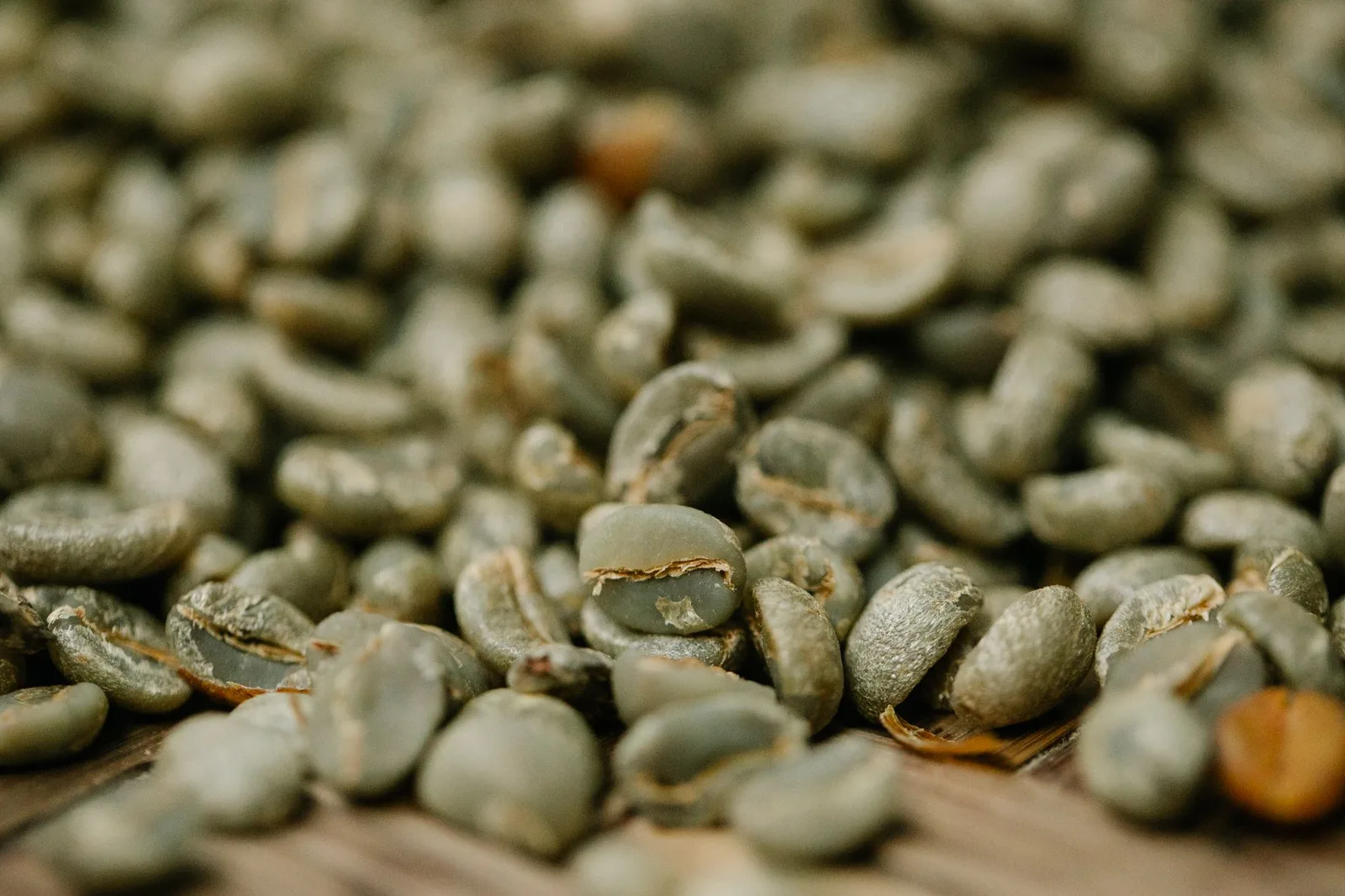
In the green coffee, phenylethyl alcohol made up 2.5% of the chromatographic area, meaning its share of the lab signal rather than a concentration.
Next came a blind cupping: three Q Graders tasted the roasted coffee after an 18-hour rest. It scored 87.25 points on the SCA protocol, a specialty-grade score, with a pronounced floral and red-fruit character.
Three things to keep in mind about these results
- One lot, one site, one harvest. All the cherries came from a single lot, and there was no control group.
- No ranking against terroir. Fermentation adds to altitude, variety and soil. None of these was varied or measured here.
- Measured before the cup. Compounds were analyzed in the liquid and the green beans, so their link with the tasted notes is an association.
Back to the mucilage: no genes for breaking it down turned up in the dominant microbes at 72 hours. The coffee's own enzymes may be what removes the mucilage here, and checking would take earlier sampling.
What "washed" and "floral" can tell you on a coffee bag
First, "washed" does not mean unfermented. The process includes a fermentation stage, and here it ran to the top of the range, at 72 hours. Washed coffee often shows a more prominent and defined acidity. Washed lots from Yirgacheffe can be intensely floral and aromatic, with tea- and citrus-like notes.
Second, a floral compound does not point to one origin on its own. Linalool turned up in almost all of 10 single-origin arabicas, from Central America to Indonesia, though probably too faint to change their aroma. Across that same set, roasting degree separated volatile profiles more than origin did. In humid subtropical Santa Catarina, a different community (Enterobacter, Fusarium, Pantoea) also gave a specialty coffee, but with low citric acidity and a medium body.
Third, the process line is worth reading. The best-quality bags usually state the region, variety, process and flavor. Microbes are not on that list, yet the tiniest processing changes can have startling results, and they are still being explored.
Two future uses are in sight: region-tailored starter cultures and criteria for telling African specialty coffees apart. Neither exists yet.
Going further
Coffee Cultivation: Understanding Its Impact on the Cup
How soil, altitude, and processing methods shape coffee flavor - a guide to understanding specialty coffee cultivation and reading labels with confidence.
Read the article →
Coffee producing countries: Africa
Guide to African coffee: history, key producers (Ethiopia, Kenya, Uganda), arabica and robusta varieties, and the socio-economic importance of this crop.
Read the article →