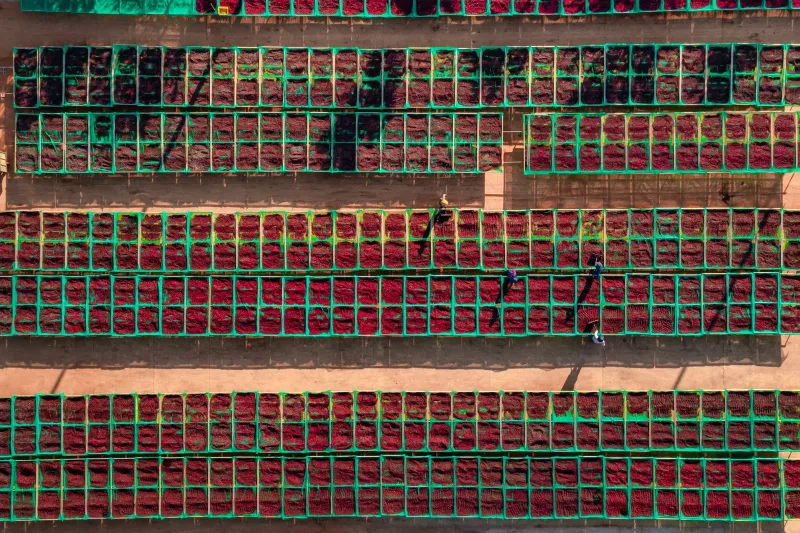

A coffee plot on a far-off hillside now needs coordinates to reach a European cup. On June 16, 2026, Fairtrade International announced Plot Insights, a free digital tool for its coffee and cocoa cooperatives. It helps them map their plots, check them for deforestation risk and share the result with buyers.
Sharing that data with European exporters and importers was due to open in October. The EU Deforestation Regulation (EUDR) applies to coffee from December 30, 2026, less than two months away. For small farmers, that proof is now the price of selling to Europe.
What does Plot Insights do?
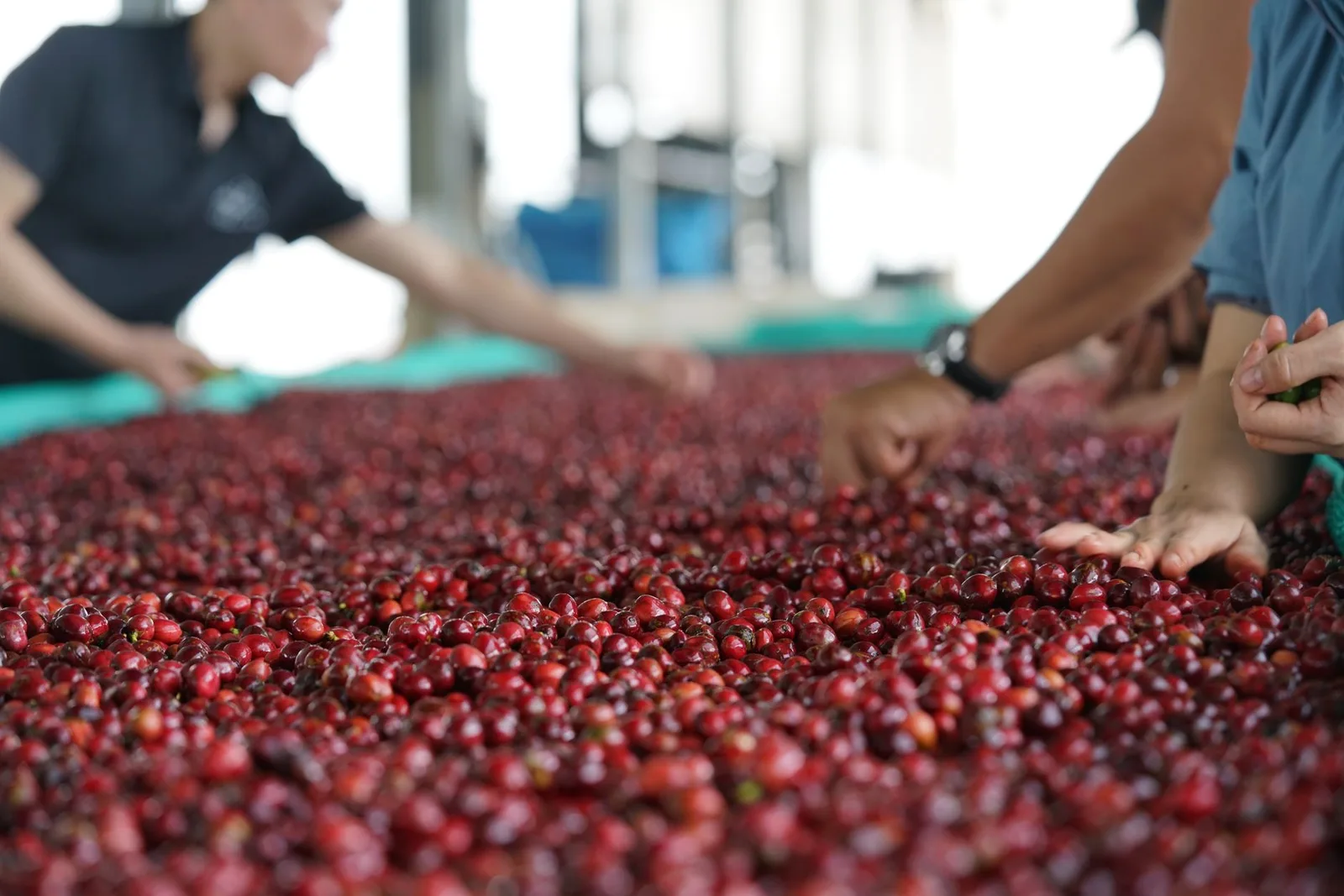
A cooperative uploads the geolocation data of its members' plots. The tool answers right away: it flags any data errors and shows them on a map. The cooperative can fix them before the data goes to a buyer.
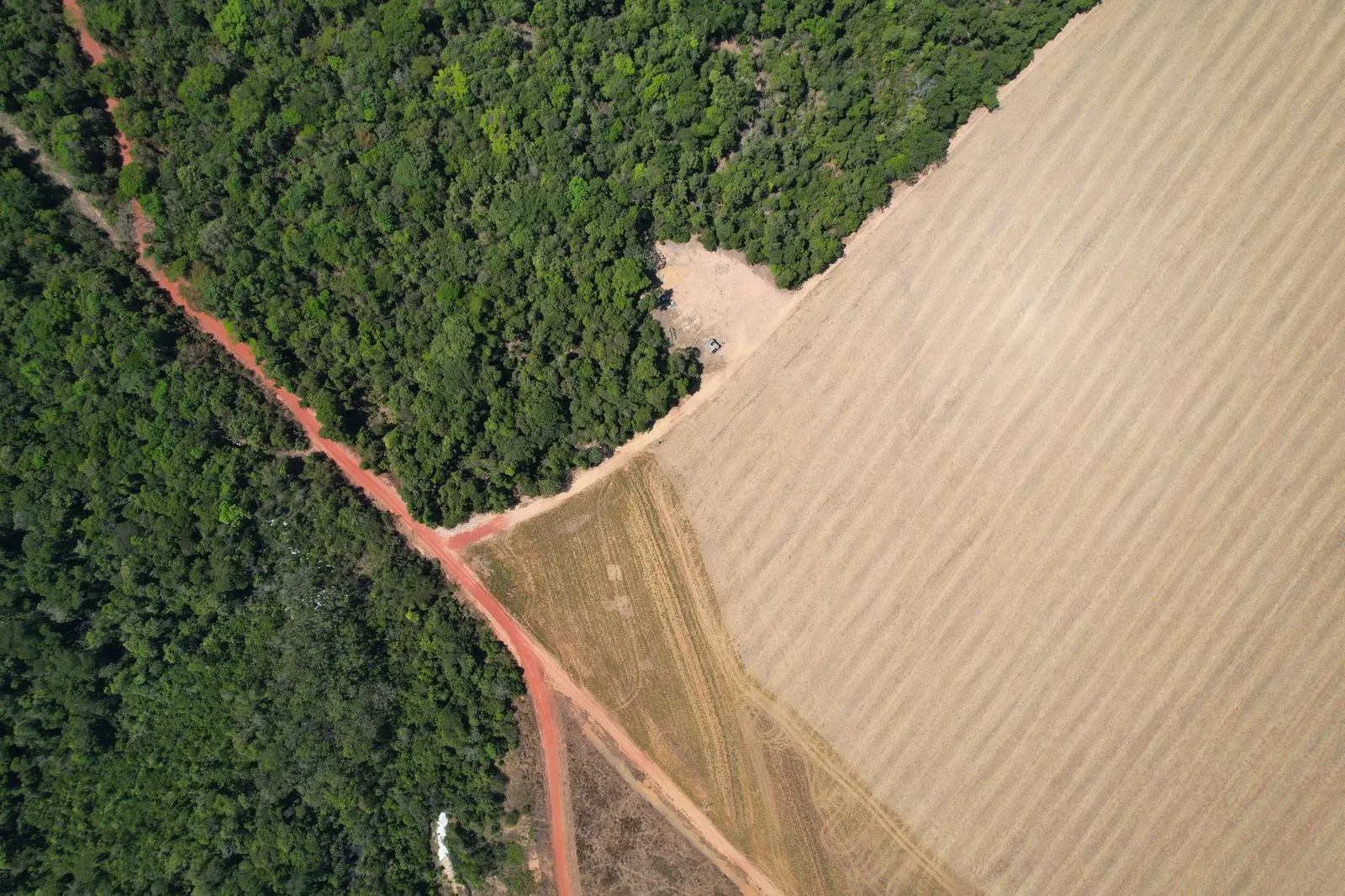
The checks come from Satelligence, a Dutch nature technology company. Fairtrade has worked with it since 2023 to help certified groups watch for deforestation. Its data now sits inside Plot Insights: deforestation alerts in and around coffee and cocoa plots, and plots located within or near protected areas.
Each warning leads to action. Fairtrade Standards ask the cooperative to draw up a risk mitigation plan. That can mean following up on an alert. For a plot near a protected area, it can mean training farmers and keeping it under regular watch.
From the cooperative to the importer: how does the data travel?
Mapping a plot is only half the job. The proof has to follow the beans. Fairtrade scheduled data sharing to open in October 2026, through Fairtrace, its platform for recording sales.
Here is how it is meant to work. The cooperative picks the plots behind a shipment. It attaches their data to the sales contract linking it to the exporter and the importer. The tool converts the data into a format aligned with EU requirements.
The importer then downloads it. It uses the data in its due diligence, the checks a company must run before selling a product in the EU. It also attaches it to the due diligence statement needed to import. Under the EUDR, every plot supplying coffee, cocoa or the other covered products must be geolocated.
Sharing rests on consent. The cooperative keeps ownership of its data and chooses which partners see it.
Plot Insights lives in Unify, a new private platform that gathers Fairtrade's digital systems in one place. Certified producer groups get access first. More tools will follow over the coming year, and Fairtrade plans to open Unify to certified traders, retailers and brands.
Who can use it?
Plot Insights is free for coffee and cocoa cooperatives certified by Fairtrade, one of the labels found on coffee farms. Three regional producer networks help them get started: Fairtrade Africa, the Network of Asia & Pacific Producers (NAPP) and the Latin American and Caribbean Coordinator of Small Producers and Fair Trade Workers (CLAC).
Together, they are supporting more than 800 certified coffee and cocoa cooperatives in adopting the tool and preparing for the EUDR. In East and Central Africa, Fairtrade Africa counts 92% of certified coffee producers as EUDR-ready. "EUDR readiness is about more than compliance," the network says. Better farm data also helps cooperatives know their own production base. And it supports the protection of the forests, soil and water that coffee relies on.
Why do smallholders need this proof?
The EUDR asks companies to show that their products are deforestation-free before they enter the European market. Coffee must not come from land deforested or degraded after December 31, 2020. It must be produced under the laws of its country of origin. And a due diligence statement must cover it.
The rules apply from December 30, 2026 for large and medium-sized companies, and from June 30, 2027 for most micro and small ones. The full guide to the EUDR and coffee explains the delays, the plot mapping rules and the later arrival of instant coffee. The stakes are high: in 2025, the EU was the world's largest coffee importer.
For a small farmer, this proof is real work. Each farm has to be mapped and pinned by GPS. Someone has to watch it for forest loss and keep the files up to date. It can be an extra cost, with no funding behind it.
"Farmers are having to adopt new digital tools and map farm plots, which is an expensive burden in order to continue to be viable suppliers to the European market," says Brenda Mariana Huerta García, Senior Advisor for Climate & Environment at Fairtrade International.
Cost, complexity and fairness for smallholders are the main criticisms of the EUDR. The European Commission, EU countries and development institutions have stepped up their support, with one goal: keeping small producers in the EU market. Companies are building satellite checks and training farmers. Vietnam, a top coffee exporter, began piloting a satellite-based traceability system for coffee farms in 2024.
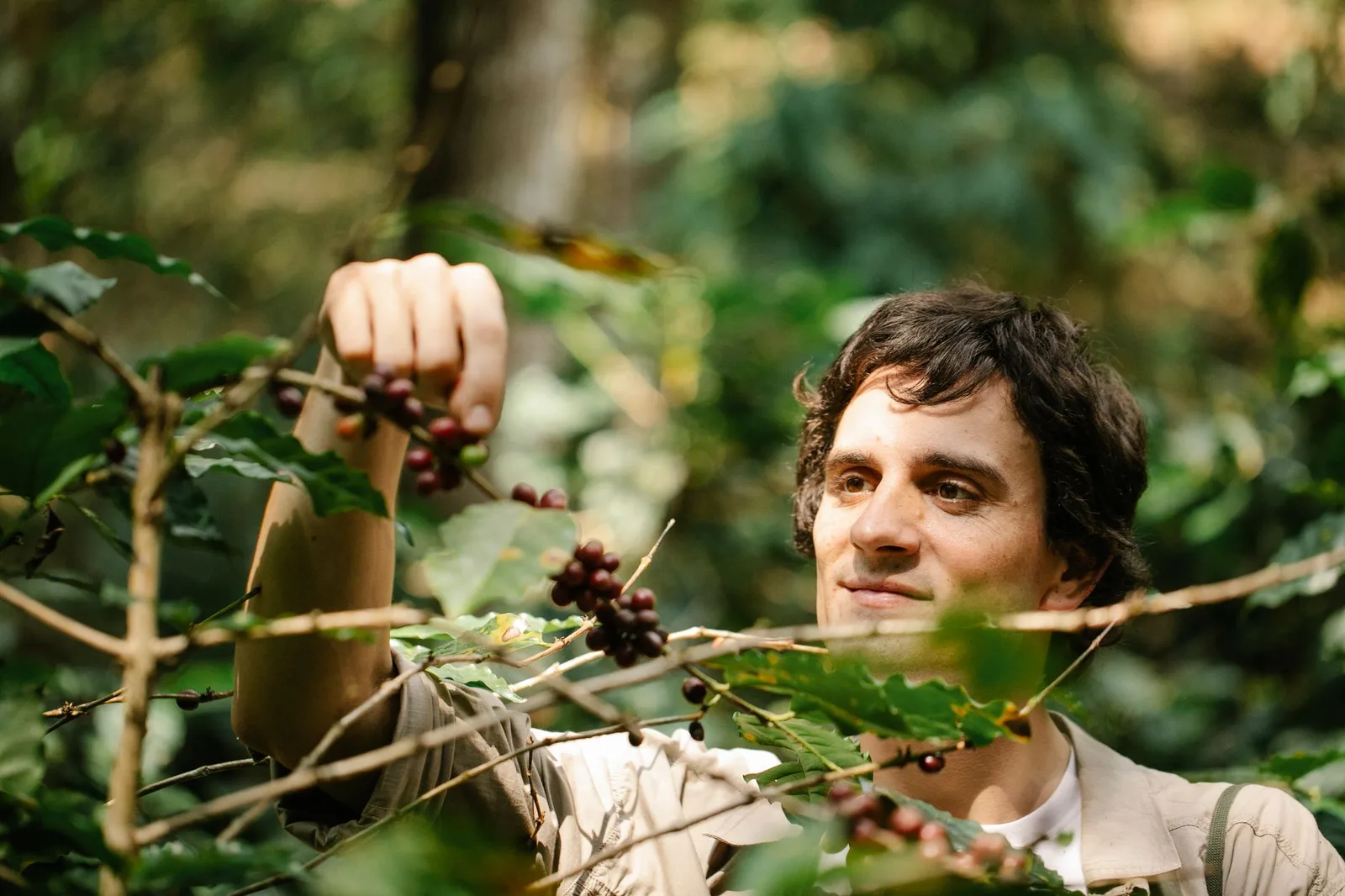
A better paper trail, not a label on the bag
For you, the change starts far upstream. Plot data is getting a channel from the cooperative to the importer. In time, it could travel further, to the roaster and the café, and tell them more about the farm behind a coffee.
The limits are clear, though. The data feeds an importer's due diligence file, not a sign on the bag. Traders, retailers and brands do not have access yet.
The cooperative decides who sees its plots. A risk alert is a warning to follow up, not a proof in itself. And the tool only serves Fairtrade cooperatives.
So the most useful step is still a simple question to your roaster: where does this coffee come from, and how is that checked?
Going further
EU Deforestation Rules Reach Coffee on December 30, 2026
From December 30, 2026, coffee sold in the EU must come from land not deforested after 2020. What the EUDR asks, who must prove it, and what changes for you.
Read the article →
Coffee Pulp Can Help Regrow a Tropical Forest in Two Years
Spread half a metre deep on an old Costa Rican pasture, coffee pulp smothered the grass and grew a young forest in two years. How it works, and its limits.
Read the article →