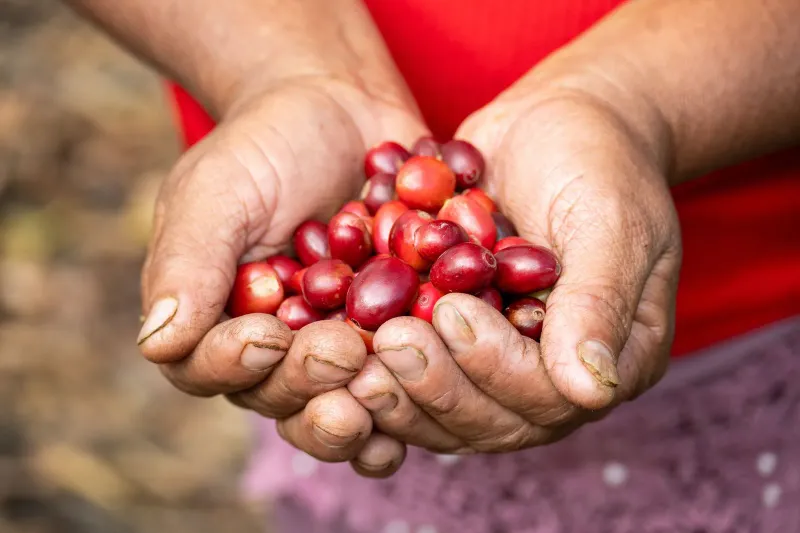

Coffee pulp is the bulky fruit left over once the beans are out. In our article on cascara, we saw it brewed into a drink, spread as fertilizer or left to rot in piles. On an old pasture in southern Costa Rica, it was given another job: growing a forest.
The trial is described by Rebecca Cole and Rakan Zahawi, of the University of Hawaiʻi, in a 2021 study in Ecological Solutions and Evidence. They spread a thick layer of pulp over worn-out land. Two years later, the plot had become a young woodland with a canopy over 4 m tall. The untreated plot next to it was still non-native pasture grass.
"This really was like a forest on caffeine," said Cole, who grew up on a Costa Rican coffee farm. The idea came from an older trial with orange peels, in north-western Costa Rica.
Why don't old pastures turn back into forest?
An abandoned tropical field rarely fills with trees on its own. Introduced pasture grasses and weedy plants take over and keep native tree seedlings from settling. Competition from these grasses is one of the main reasons young trees fail in old pastures.
The soil does not help. Years of grazing leave it compacted and stripped of nutrients, so seedlings that do sprout grow poorly. Because of this low fertility, natural regrowth can be delayed for decades.
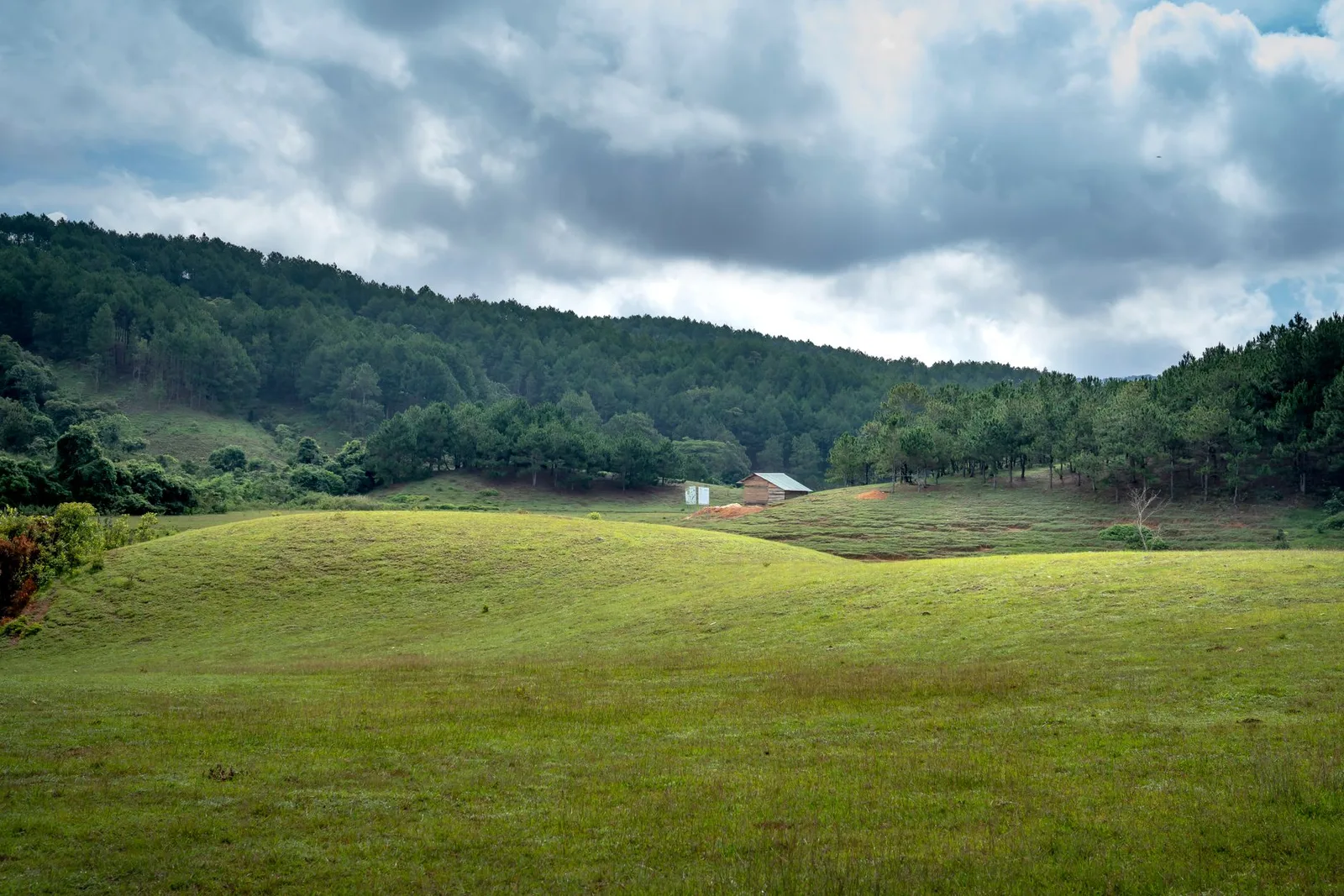
The usual answer is to plant trees. It is the most common method, but it is labour intensive and expensive, and herbicides are often used to keep the grass down.
Coto Brus, the county where the trial took place, shows the scale of the problem. From 1950, its forests were rapidly cleared for coffee farms and pasture. By 2014, forest covered only about 25% of the county.
On the old pasture chosen for the trial, more than 90% of the land was covered in introduced grasses. The main one, palisade grass, is an African forage species that can reach about 5 m when it is not grazed.
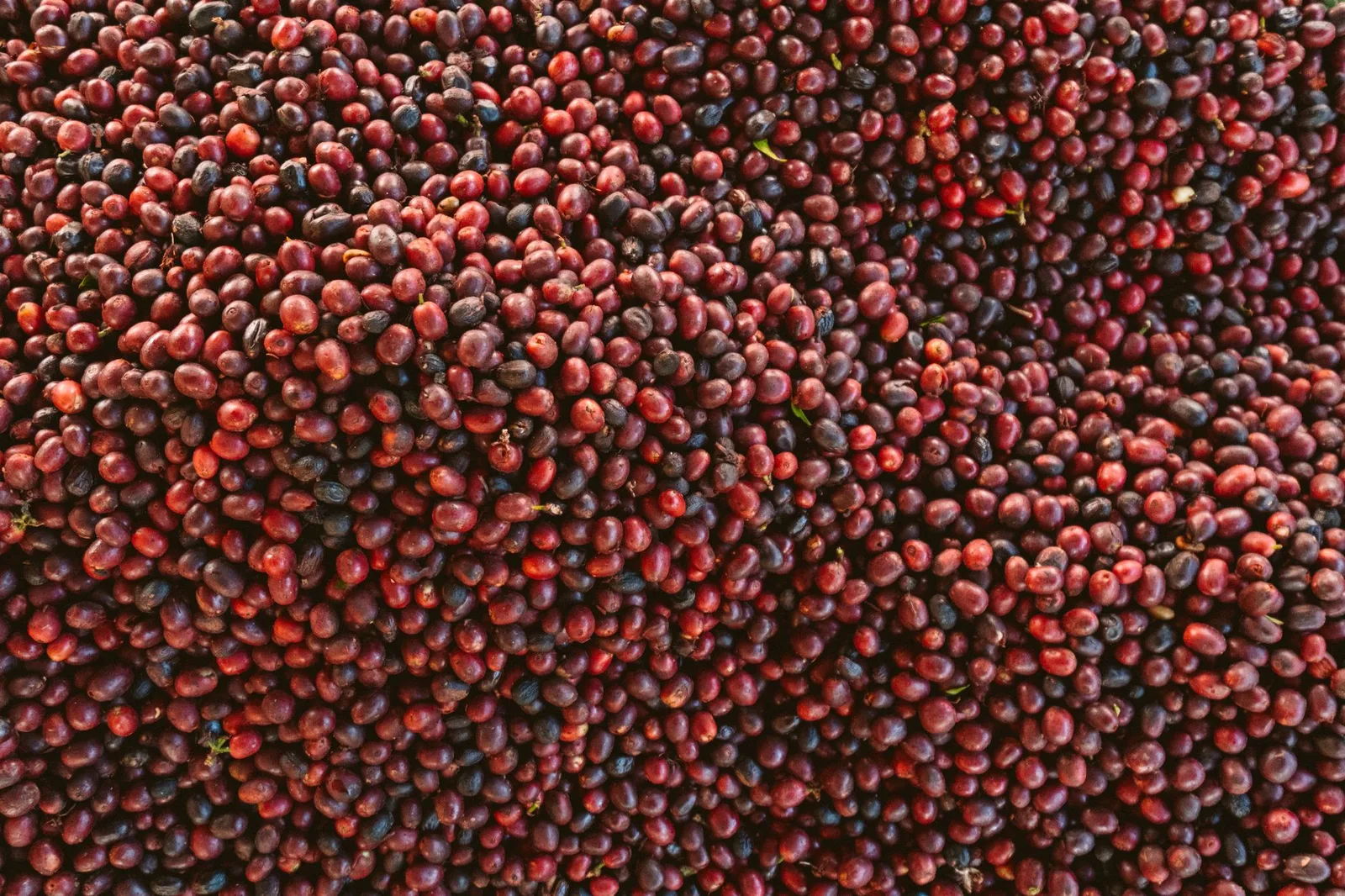
Coffee, meanwhile, leaves a lot of fruit behind. Pulp accounts for about half the weight of the harvest. In Costa Rica, it usually goes to storage lots, where it is left to decompose.
Worldwide, coffee is produced in over 60 countries. Every million 60-kg bags leave about 218,400 tons of fresh pulp and mucilage, the sticky layer around the bean, to manage. Rich in carbohydrates and protein, it makes a valuable compost.
Smothering the grass with coffee pulp
30 truckloads on one hectare
The trial took place at the Sabalito Biological Reserve, a former coffee farm managed for conservation. Following health rules for organic waste, the site sat away from streams, water sources and houses.
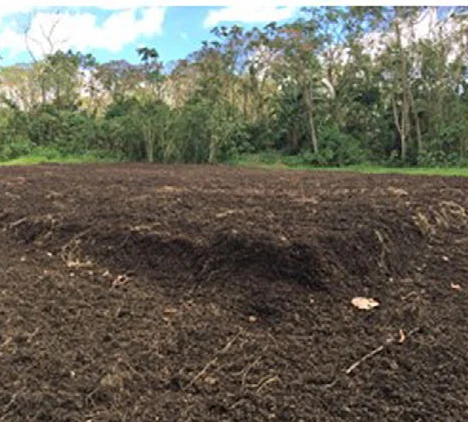
A nearby cooperative gave the pulp; the only cost was renting dump trucks. In March 2018, 30 truckloads, about 360 m³, were tipped onto a 35 × 40 m area. A backhoe spread them into a layer 40 to 50 cm deep. A control plot of the same size, with no pulp, was marked out about 10 m away.
Heat, a dry season and flat ground
The pulp behaves like a giant compost heap, on a scale far from the coffee grounds you compost at home. As it breaks down, it heats up. Under a layer that thick, the grass suffocates, and its roots and underground stems die. The composting pulp likely stops buried seeds from sprouting too.
Two conditions matter. The pulp must go down in a dry period, not in the rainy season. And the ground must be flat enough for the layer to stay in place. The pulp is also an alternative to the herbicides often used when planting trees.
Letting the forest come back on its own
Two years later, trees instead of grass
After three months, the layer had lost half its depth and the grass beneath was dead. After two years, only a 5 to 10 cm layer remained.
- Grass: nearly gone on the pulp plot, still above 80% cover on the control.
- Height: 4.26 m on average, against 1.37 m on the control.
- Cover above 2 m: 82.55% against 21.84%.
- Cover above 5 m, the young tree canopy: 39.37% against 2.32%.
- Trees: more than 20 times as many woody stems, and nearly 30 times the basal area, the total cross-section of trunks.
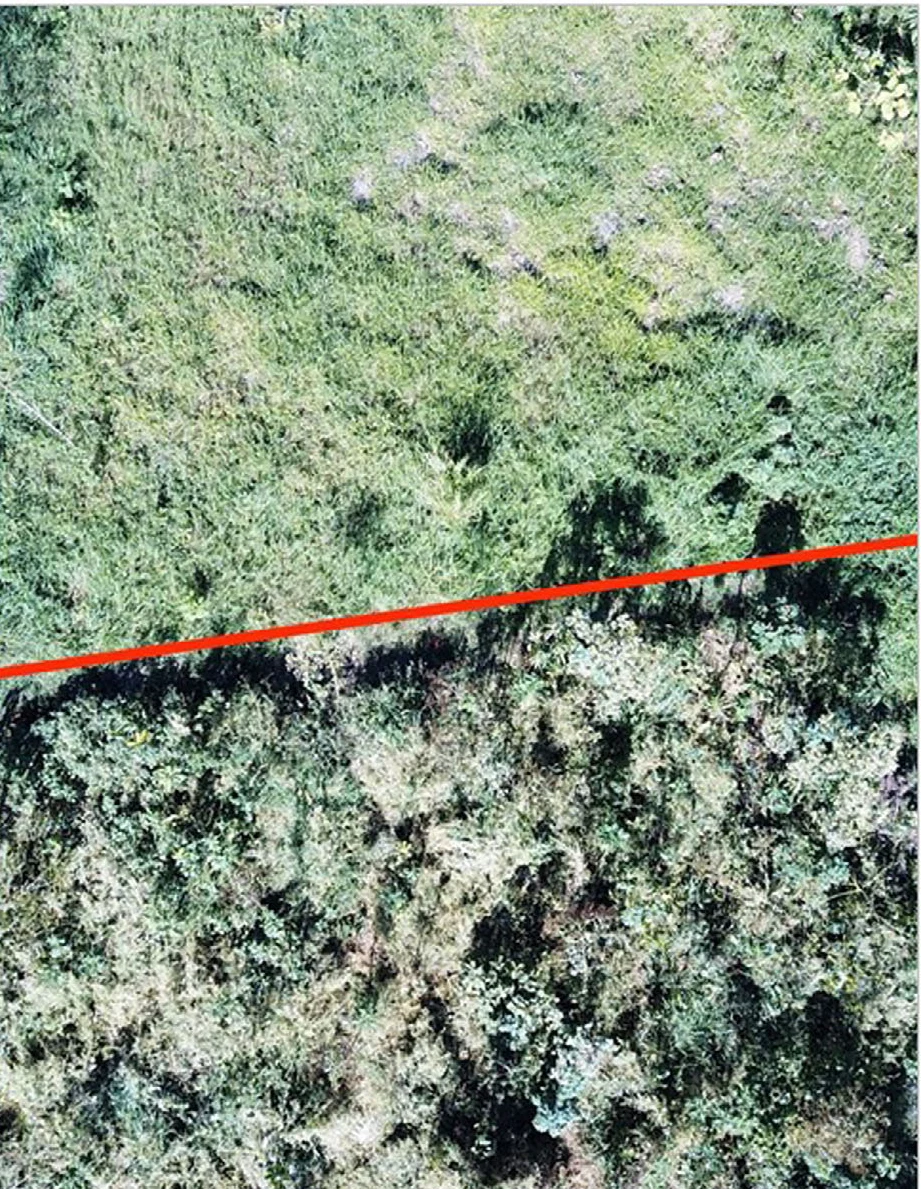
Two pioneer trees, the first to colonise open ground, made up nearly nine stems in ten. Still, the pulp plot held five tree species, against one on the control. Leaf litter was three times as abundant as on the control, an early sign that forest processes are returning.
Nobody planted these trees. Insects moved into the rotted pulp, and birds followed. The first trees grew from seeds carried by the wind or by birds and bats.
A soil rich in carbon, nitrogen and phosphorus
After two years, the soil of the pulp plot held 23.2% carbon against 7.2%, 2.7% nitrogen against 0.6%, and nearly six times the phosphorus. That last gain matters, because tropical soils often lack phosphorus.
But the soil was more acidic and held less potassium. How long these gains will last is untested.
Orange peels in Guanacaste: the 16-year precedent
A deal with a juice maker
In 1997, in north-western Costa Rica, ecologists Daniel Janzen and Winnie Hallwachs made an offer to the juice maker Del Oro. It could dump its orange peels free on degraded park land, in return for part of its forest. After a trial, the deal was set at 1,600 ha of primary forest.
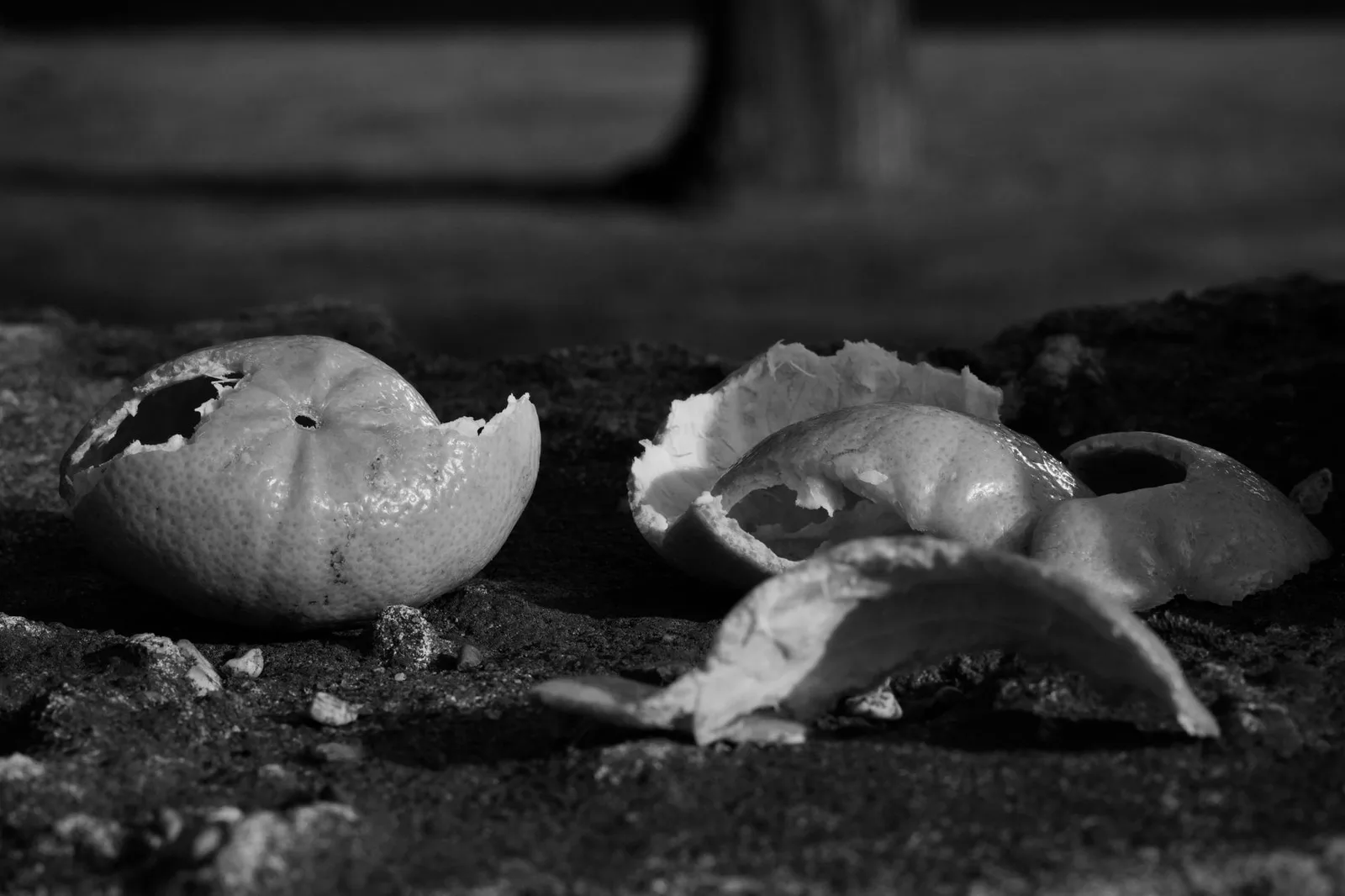
In 1998, 1,000 truckloads, over 12,000 tons of peels, covered 3 ha of pasture overrun by an invasive grass. A rival company, TicoFrut, then sued, arguing that a national park had been soiled. It won before the Supreme Court, and the project stopped.
Sixteen years later
Left alone for 16 years, the site was studied in 2014: Princeton researchers compared it with an untreated pasture across the road. The treated land held 176% more woody biomass, 24 tree species against 8, a richer soil and a more closed canopy. Rakan Zahawi had visited the site in the early 2000s, long before that survey: the coffee trial grew from there.
What still needs testing
One site, two years
The coffee trial covers a single site over two years. Calling it a method will take tests on more sites, over longer periods. Results will likely vary: old pastures in Veracruz, Mexico, have recovered at very different rates. In Hawaiʻi, where most native plants are not adapted to rich soils, extra nutrients would likely help invasive plants spread faster.
Pollution, smell and flies
Raw coffee pulp is not harmless. It can carry organic pollutants and pesticide residues, and its nitrogen and phosphorus can feed algae in streams and lakes. The trial did not measure emissions or runoff. The pulp also smells strongly and draws flies.
Flat land, trucks and costs
The method suits fairly flat land, where runoff can be managed and heavy trucks can drive in. Hauling pulp only makes sense where it costs farms less than other ways of disposing of it. No cost comparison with tree planting exists yet.
From waste heap to young forest: a job for the coffee fruit
For coffee processors, pulp is a costly waste, so they give it away. Using it to restore land turns that cost into a win for both farms and forests. Global goals such as the Bonn Challenge, an international pledge to restore forests, call for restoring vast areas, so cheap methods count.
The trial does not prove that pulp regrows forests everywhere. It shows that a by-product can jump-start a forest on degraded tropical land. Cole plans to try it on other degraded sites, and with other unsold by-products such as orange husks. Timothy Treuer, who led the 2014 survey of the orange site, warned against giving agroindustry "license" to dump waste "willy-nilly": trials must stay carefully controlled.
For coffee lovers, cascara gets a sequel. The fruit around your bean can become a drink, a fertilizer, and now, on the right land and in the right season, the start of a forest.