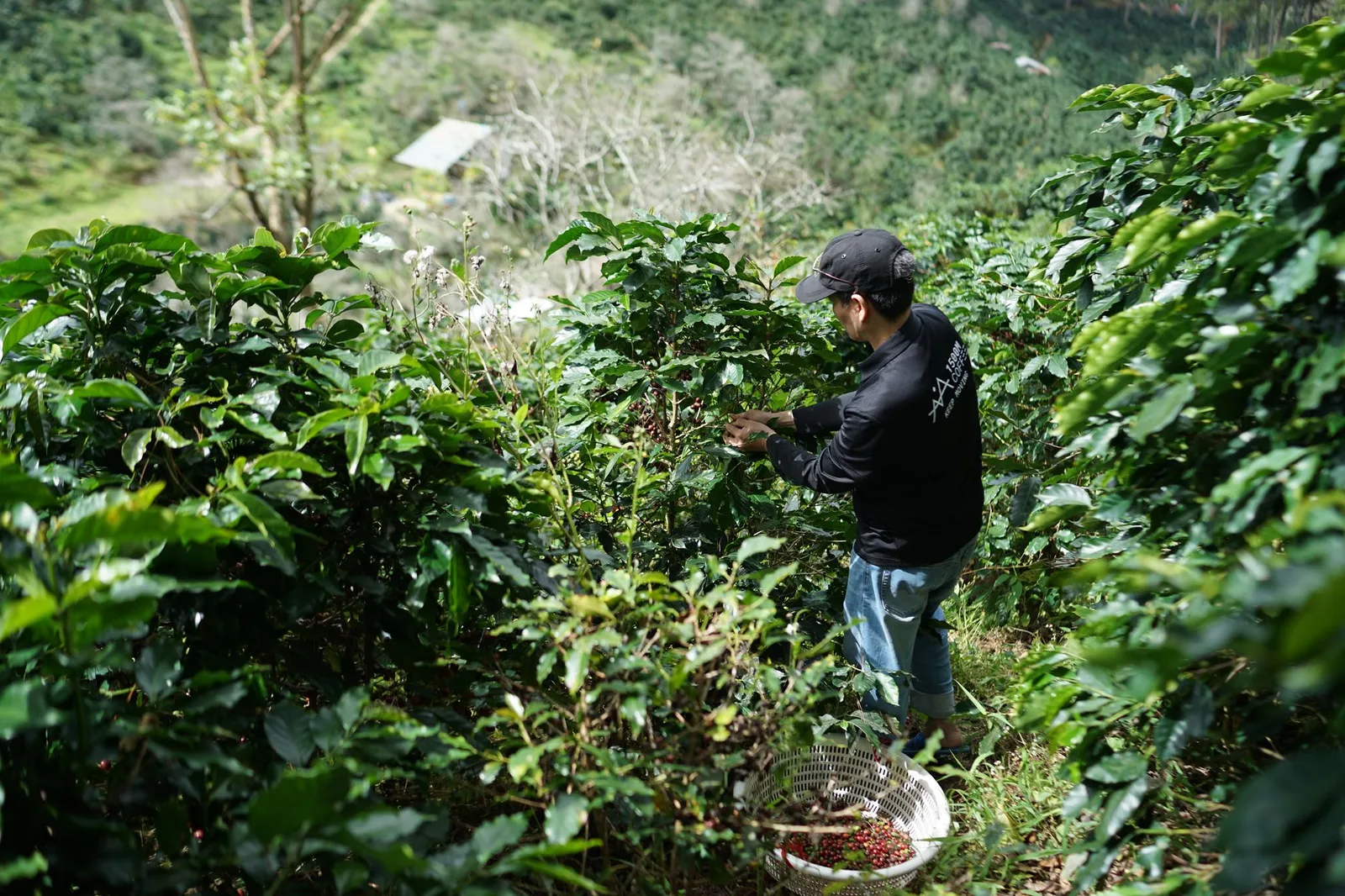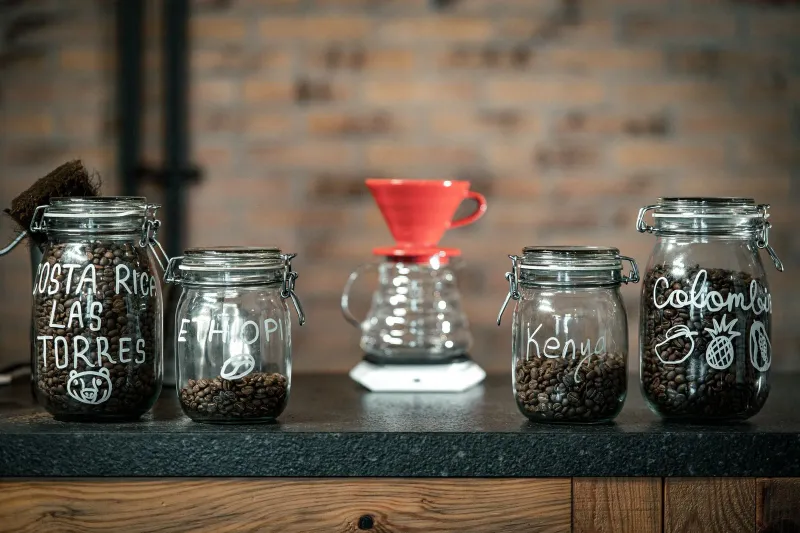

Fairtrade, Rainforest Alliance, Bird Friendly: the logos on a coffee bag suggest that your coffee is fairer or greener than the one next to it. But a label never certifies "good coffee". It certifies that a farm or a cooperative meets one specific set of rules.
Picture yourself in front of the coffee shelf. Two bags look the same, but one carries a certification logo and costs a little more. Which one is the better choice depends on what that logo actually checks.
The rules behind each logo differ a lot. Fairtrade is about the price paid to small farmers. Rainforest Alliance audits farm practices, workers' rights and the surrounding environment. Bird Friendly measures shade trees.
If you pay more for a certified bag, it helps to know which promise you are paying for. It also helps to know whether research shows that promise is kept.
This guide takes the three labels one by one. For each, it looks at who can be certified, what the farmer is paid, what is checked on the farm and who pays for the checks. Then it turns to the few studies that have measured the effect on farmers' income and on birds.
Three logos, three different promises
What does a certification actually check?
A certification means an outside body has checked that some coffees, farms or cooperatives meet certain standards. Depending on the label, those standards cover the price paid, farming practices, the environment, shade trees and wildlife, or the conditions of farmers and hired workers.
The goals are not the same. Fairtrade is mainly about reducing poverty and giving farmers more weight. Rainforest Alliance focuses on biodiversity and producers' welfare. Bird Friendly is certified organic, shade-grown coffee whose shade meets precise criteria.
The requirements farmers must meet vary widely from one scheme to another.
One thing none of them covers is taste. Neither Fairtrade nor Rainforest Alliance has quality rules: no cup score, no quality target in the requirements.
Certified is not always sold as certified
Certified coffee is no longer a niche. In 2009, 16% of US coffee imports carried at least one certification, 30% in the Netherlands and about 8% worldwide. By 2018, more than 10% of world coffee production carried Rainforest Alliance certification alone.
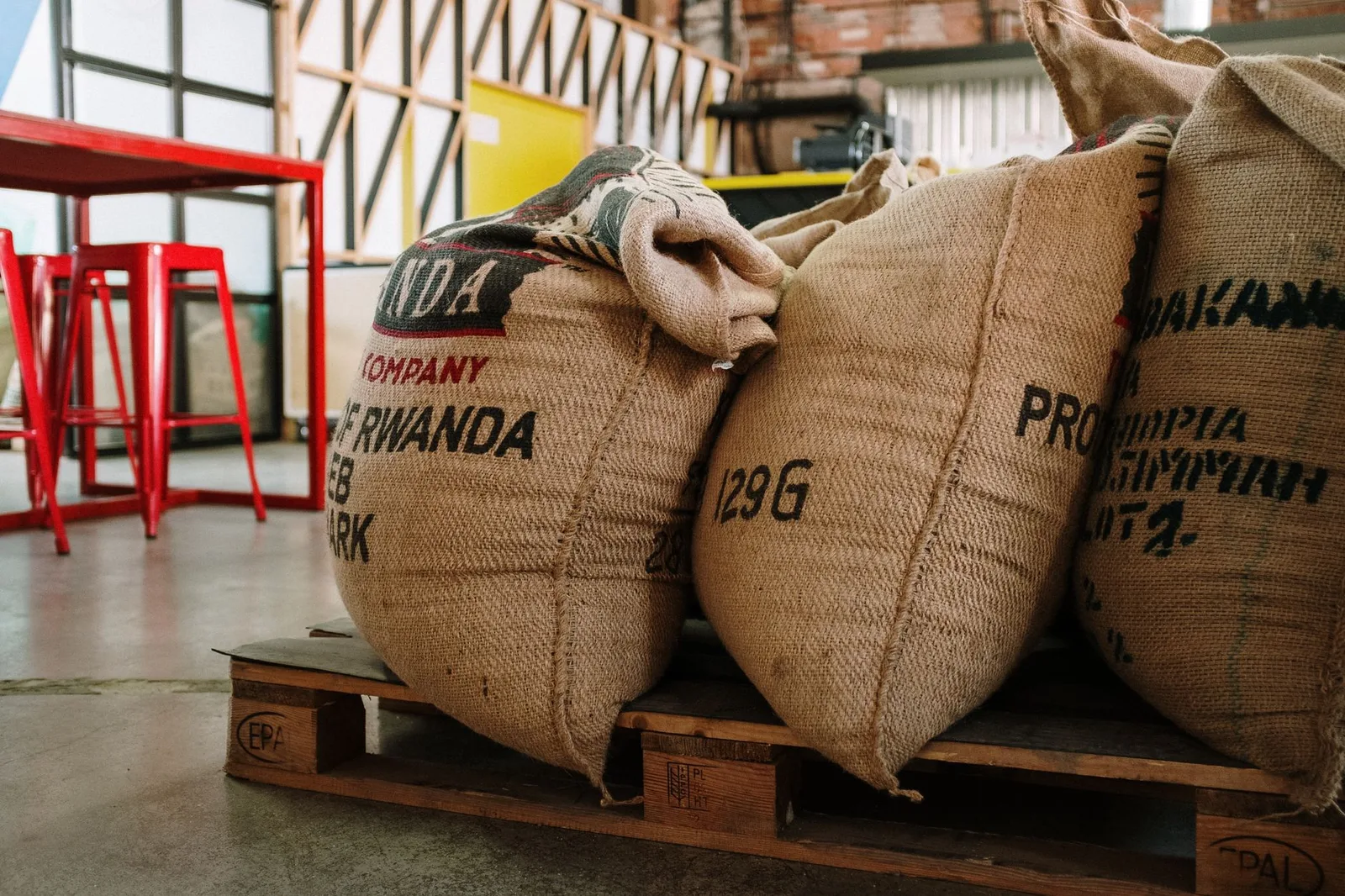
Yet a certificate on the farm doesn't mean a label on your bag. A cooperative pays certification costs on its whole harvest, but earns Fairtrade terms only on the share it sells as Fairtrade. In 2001, only 13.6% of Fairtrade-certified coffee could be sold as such, and around half in 2003.
Ethiopia shows the gap clearly. In early 2015, 29% of its primary coffee cooperatives were certified organic and 27% Fairtrade, yet only 5% of exported coffee was certified. Along the way, certified and uncertified coffee tend to get mixed. Tracing coffee back to the plot is the aim of Fairtrade's Plot Insights tool.
For the farmer, this is the hidden cost of a label: the bill covers every bag, the reward only the bags sold as certified. For you, it means a certified farm and a certified coffee are not the same thing.
Why the stakes are high
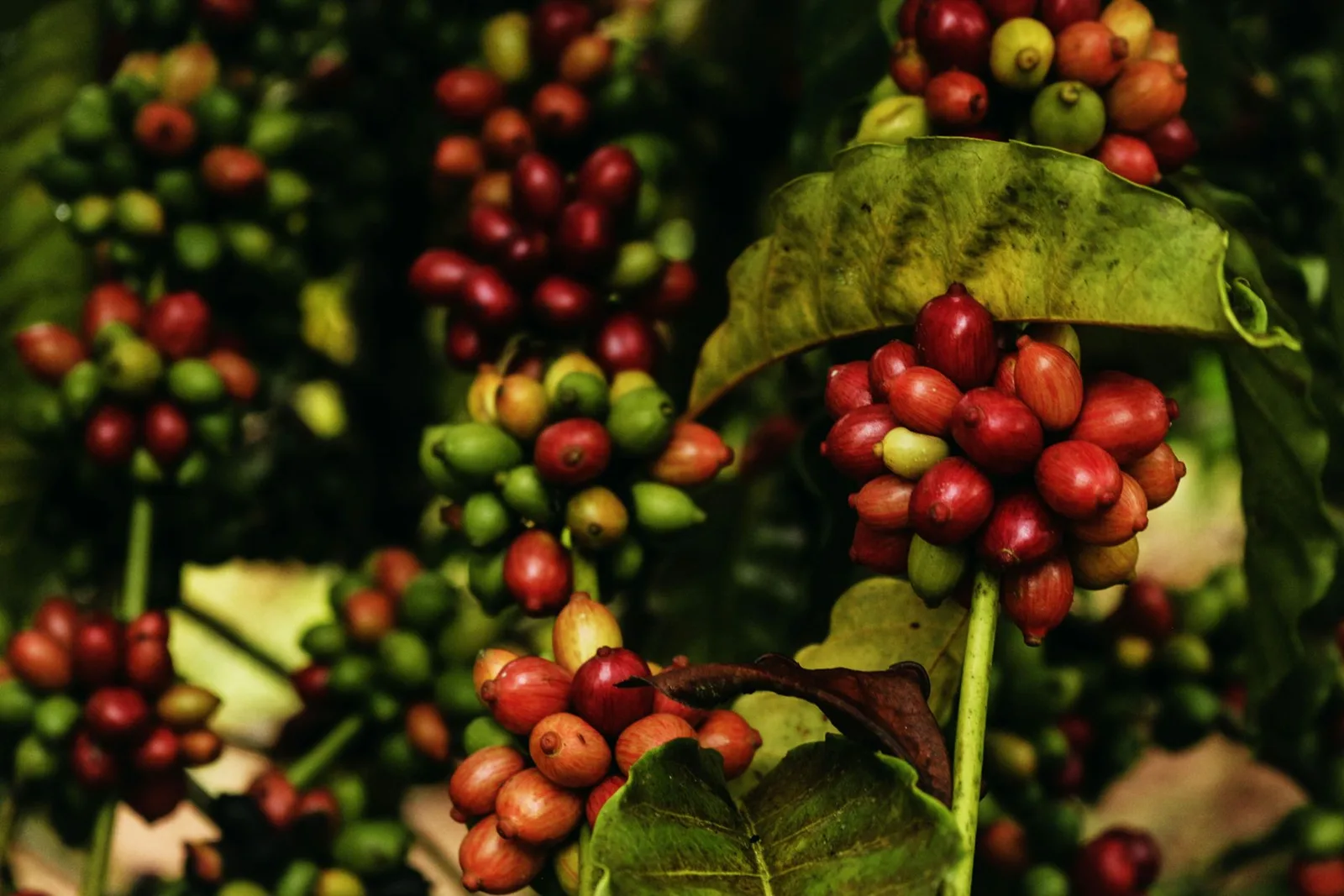
Coffee grows on more than 1 million km² of farmland, in some of the most biodiverse regions on Earth. Shoppers in rich countries pay extra for the promises on the bag. That premium is only justified if the standards deliver. If they don't, the shopper pays for a promise that isn't kept, and the farmer may carry certification costs for little return.
On that point, research gives no general answer. Some studies find income gains for certified farmers, others find no real impact. So it helps to read each label for what it promises, then look at the evidence.
Fairtrade: a price floor and a premium
Who can be certified?
Fairtrade-labelled coffee was the first Fairtrade product. It was launched in the Netherlands in 1988 under the name Max Havelaar. For coffee, only democratically organized cooperatives of small farmers can be certified: no estates, no plantations. Cooperatives and traders are inspected by FLOCERT, an independent body created by Fairtrade International in 2004.
How much does the farmer get?
The Fairtrade Minimum Price is a floor, a safety net when markets crash. When the market is higher, as it was in July 2026, the market price applies.
Prices are reviewed every four years. From 1 December 2026, the floor rises:
- Washed Arabica: $2.00 per pound, up from $1.80 (+12%). It accounts for more than 80% of Fairtrade coffee sold.
- Natural Arabica: $1.95/lb, up 20 cents.
- Washed Robusta: $1.35/lb, up 10 cents.
- Natural Robusta: $1.30/lb, up 10 cents.
The new prices apply to contracts signed from that date. The cost data came from the 2023-2024 crop, in 57 cooperatives across 13 countries.
On top of the price comes the Fairtrade Premium, unchanged at $0.20/lb. The cooperative decides how to invest it in its business or community. In 2024, Fairtrade coffee cooperatives earned €57 million this way. Organic coffee gets a further $0.40/lb.
What Fairtrade doesn't cover
Fairtrade does not require organic farming and has no shade criteria. Retailers can also sell Fairtrade coffee at any price, so the label tells you nothing about how much of your extra money reaches the farm.
Rainforest Alliance: farm practices and a negotiated premium
Continuous improvement, audited
The first Rainforest Alliance coffee farm was certified in 1995. In 2018, the organization merged with UTZ, a certification created in 2002 around a farm code of conduct. A combined standard followed for 2020.
Farms must first meet pass/fail core rules. Then they must improve every year. Some improvements are mandatory, on 3- or 6-year timelines; others are chosen by the farmers.
Audits take place every two years, with checks in between. They look at risks such as child or forced labour, harassment, gender inequality and climate impact. Its human-rights requirements are detailed: housing, health care, childcare, sick and maternity leave, contracts.
Farmers hire and pay the auditor themselves, and audit costs are not capped. Companies selling coffee with the seal paid a royalty of $0.015 per pound in 2020.
A premium, but no floor price
Unlike Fairtrade, Rainforest Alliance sets no minimum price. Since October 2025, its earlier buyer payments have been merged into a single premium per volume, negotiated between farmers and companies. It must be paid in money, not in kind, under a written contract. Group managers must pass at least 40% of it in cash to members, down from 100% of the old payment.
Don't read the Rainforest Alliance seal as a promise of shade. Shade criteria have been optional and less strict than Bird Friendly's, so certified coffee may not be shade grown. Organic farming isn't required either.
Bird Friendly: the strictest shade standard
Organic first, then measured shade
The Bird Friendly criteria come from the Smithsonian Migratory Bird Center. They start with a prerequisite: the farm must already be certified organic, a label that our article on organic coffee and pesticides covers in detail. An inspection takes place once a year, and full compliance is required.
Then comes the shade:
- Canopy cover: at least 40%, even after pruning.
- Height: a main canopy of at least 12 metres, with native trees of at least 15 metres above it.
- Diversity: the dominant shade tree must be native and can make up no more than 60% of shade trees; the rest must include at least 10 species.
Pruning must spare mosses, lichens and epiphytes, plants that grow on the trees themselves. Strips of natural vegetation must line streams and rivers. Land inside a protected zone or nature reserve can't be converted to coffee. Unlike the EU's deforestation rules, this is a voluntary commitment. From processing to storage, the beans stay separate from all other coffee, including organic.
Who pays, and who earns?
There is no minimum price. Producers use the label to negotiate, generally 5 to 10 cents per pound more at last count, on top of the organic premium. They pay no certification fee beyond their combined organic audit. Roasters have paid 25 cents per pound, money that funds bird research.
Is shade enough for the birds?
A 2022 study in Colombia's Sierra Nevada de Santa Marta compared sun coffee, shade coffee and forest. Diverse shade protected more generalist and migrating birds. Forest specialists and breeding birds fared better when intact forest was set aside and coffee grown in the open.
Only both together kept the full bird community. The Smithsonian planned to make its standard more flexible in light of these results.
"Coffee typically can't be farmed without shade in an organic system," says Ruth Bennett, a research ecologist at the center.
What studies say about farmers' income
An Ethiopian test of three labels
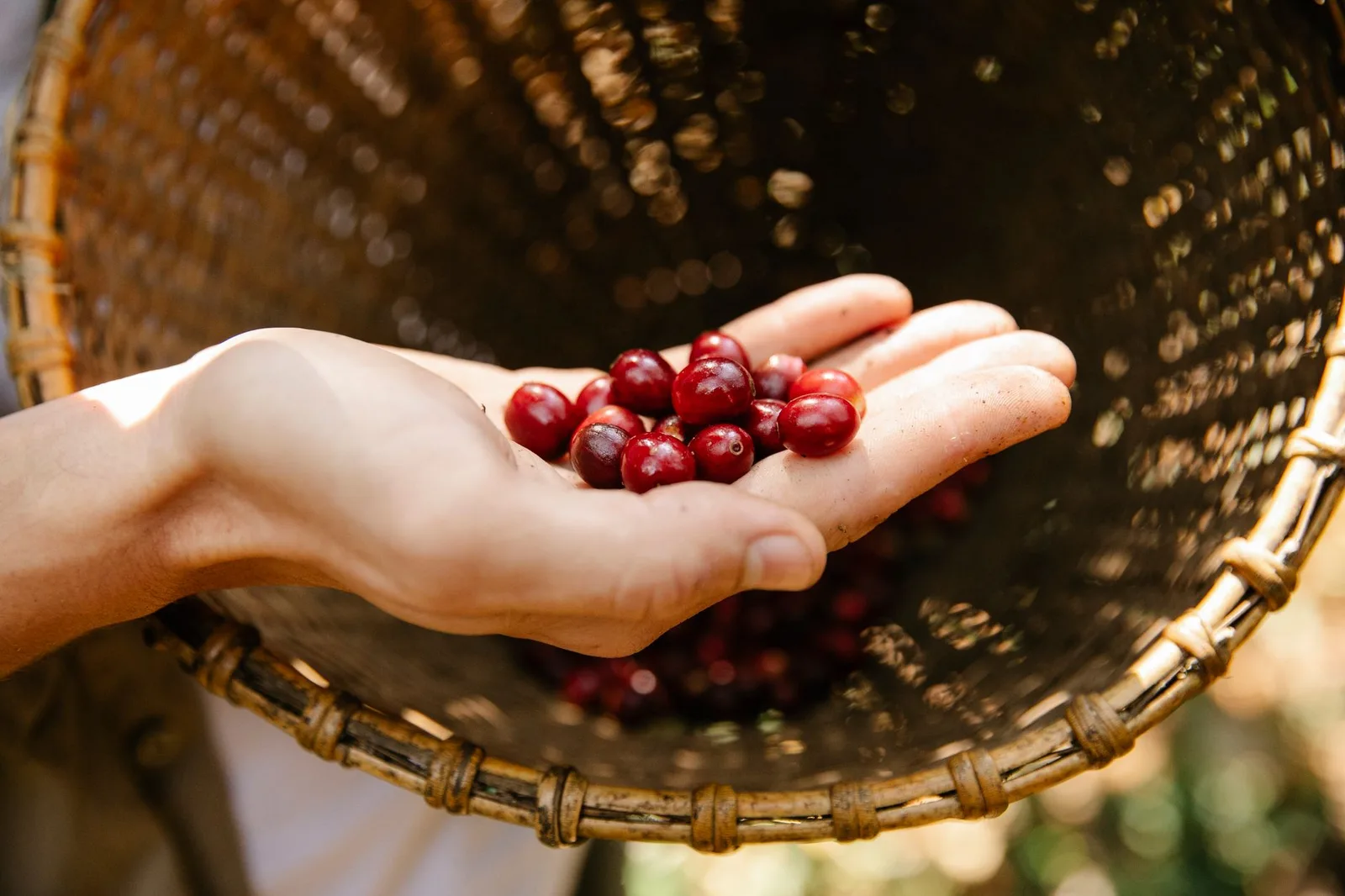
A 2015 working paper from KU Leuven, based on a survey of 427 coffee farmers in south-western Ethiopia, compared Fairtrade, organic and Rainforest Alliance farmers with uncertified neighbours, using 2014 data.
Fairtrade and organic certification had no effect on household income or poverty. Fairtrade raised coffee prices a little, but coffee covered only 26% of Fairtrade farmers' land. The cooperatives studied had also never received their premium, because they had not submitted an investment plan.
Rainforest Alliance farmers did better on paper: about 70% higher household income and a chance of being poor 25 percentage points lower. Prices were 37% to 68% higher, through a short export chain selling the coffee as specialty.
But that group was a single cooperative. Once differences between cooperatives are taken into account, the effect shrinks and can no longer be told apart from chance. It may reflect the cooperative more than the label.
The authors conclude that standards "sometimes fail to effectively deliver what they promise to consumers through labels". The result is specific to Ethiopia: in Uganda, for example, Fairtrade did reduce poverty. Certification is also a cooperative decision, and some farmers didn't even know their coffee was certified.
Costs, fraud and rival labels
Certification can be expensive, slow and paperwork-heavy. Some farmers get certified, then find no buyer for their pricier beans. With no single standard, producers may need several certificates to sell to different buyers. Controls are not foolproof either: in 2006, a journalist found that ten out of ten mills visited had sold uncertified coffee to cooperatives as certified.
The logos also multiply. Fair Trade USA, formerly TransFair USA, split from Fairtrade International in 2011 over working with larger organizations.
Which logo answers which question?
Start with what matters most to you. If it's the price paid to small farmers, Fairtrade is the only label with a floor price. From December, that is $2.00 per pound for washed Arabica, plus a premium for the cooperative. It doesn't promise shade or organic farming.
If you care about working conditions and farm practices, Rainforest Alliance offers audits and yearly improvements. Its premium is negotiated with buyers, and there is no minimum price.
If forests and birds come first, Bird Friendly is the only one of the three that requires organic farming and measured shade. It asks for 40% canopy, trees of 12 metres and at least 10 tree species, checked once a year. The extra paid to producers, though, is negotiated rather than guaranteed.
Keep two limits in mind. No label promises a better cup, and none proves on its own that farmers earn more. In Ethiopia, Fairtrade farmers saw no income gain, partly because their premium never arrived. The Rainforest Alliance gain may owe more to one cooperative than to the seal itself.
Next time you stand in front of the shelf, turn the bag over and look for the logo. Then ask what it promises: a price, a set of farm practices, or shade trees. A bag with no logo isn't necessarily worse, and a bag with one only answers its own question.
So choose the label that matches your main concern, and don't expect it to answer the others.