
Every coffee bean grows inside a fruit. Once the beans are out, that fruit is usually thrown away, and it is far from a small leftover. Cascara, the dried skin and pulp of the coffee cherry, offers another path: you can brew it and drink it.
The idea is not new. People in Ethiopia and Yemen drank infusions of coffee husks as early as the fifteenth century. Later, cascara became a little-known, little-used byproduct. Today it is back in specialty coffee, and its interest goes beyond the cup. Giving coffee byproducts a value could also ease the burden on farmers hit by low coffee prices and climate change.
Here is what happens to coffee pulp on the farm, what cascara tastes like, how much caffeine it holds, and what else farms do with the pulp.
What happens to the coffee fruit after picking?
Pulp makes up 40 to 42% of the weight of the coffee fruit. It is also bulky, wet and full of sugar, so it ferments fast. It gives off strong odours and draws flies.
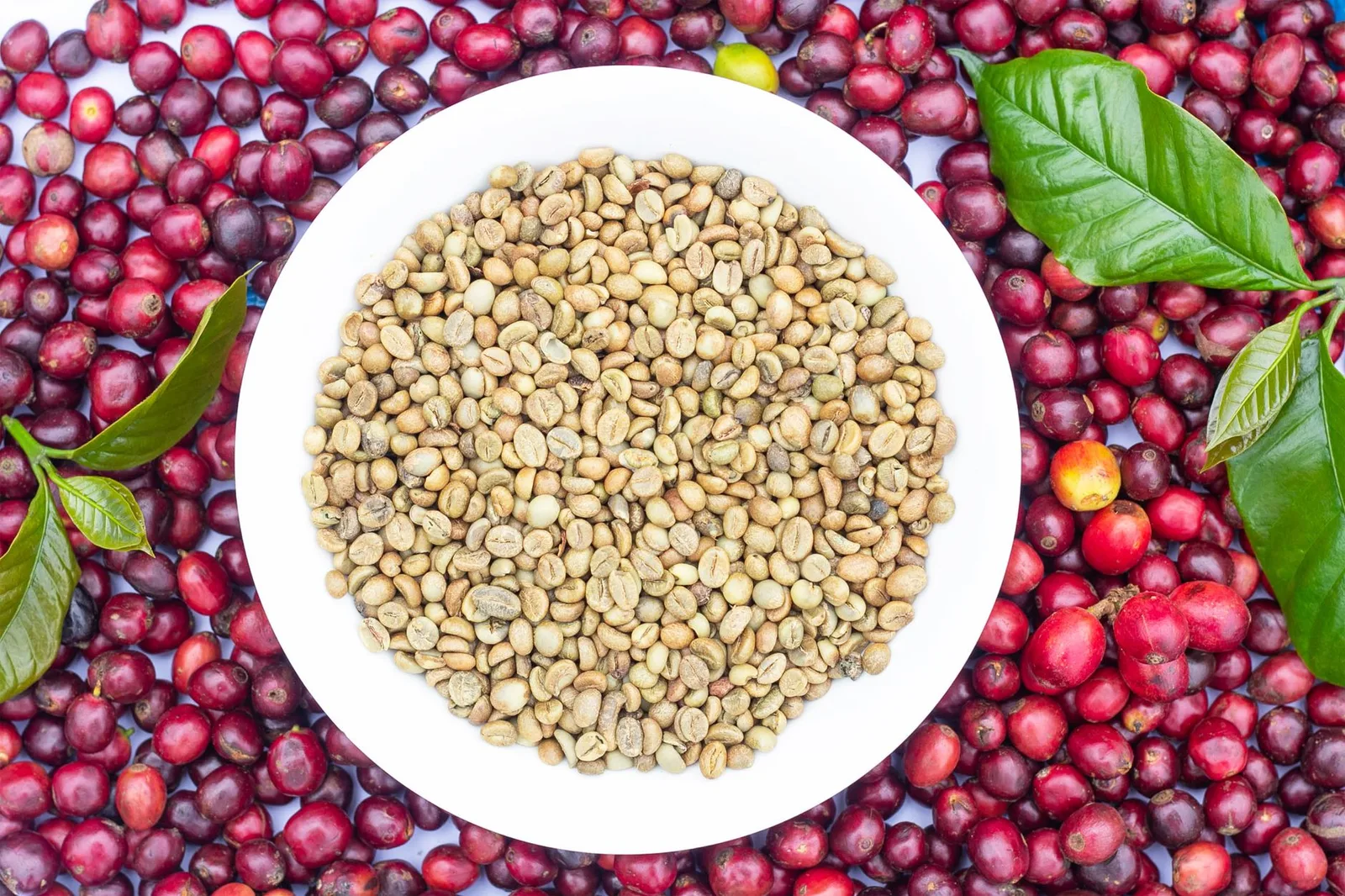
So where does it go? Most processing plants sit next to rivers. Pulp was, and still is, dumped in open piles along their banks. Within a few days, heat-loving microbes ferment the pile. It heats up, turns acidic and uses up oxygen, until it becomes a sluggish mass.
Some processors throw the pulp straight into the water. That kills river life, harms the surroundings and wastes a resource. Kenya's Ministry of Water Development summed it up in 1975. "The contamination generated when processing 1 ton of coffee is equivalent to that caused by 2000 people for 1 day."
Timing makes it worse. Large volumes of fruit are processed during the dry season, over a few months, when rivers run at their lowest. One common measure of water pollution is chemical oxygen demand: the oxygen the waste uses up as it breaks down. One kilo of coffee fruit generates 40 g of it, pulp excluded. Wet-processed coffee generates 330 g per kilo of green beans, and that figure does not include the pulp either.
Dry processing has its own limit. Peeling the whole dried fruit gives a single husk that mixes pulp, mucilage (the sticky layer under the skin) and parchment (the papery shell around the bean). That husk can only be burned or spread as fertilizer.
Jean Nicolas Wintgens's reference work on coffee growing and processing makes the point plainly: these byproducts are wrongly called "waste materials". Without the right technology, they end up polluting water and the local environment.
Today, most coffee byproducts are still unused, burned for heat, or turned into fertilizer or animal feed.
What is cascara?
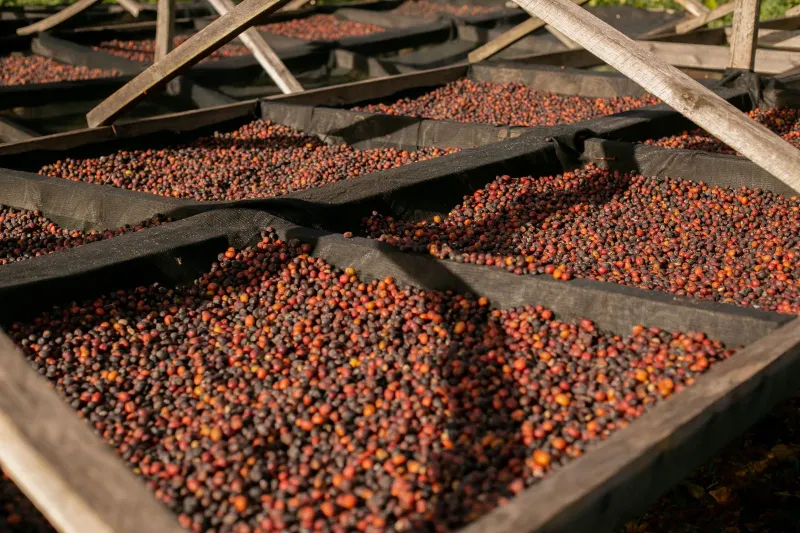
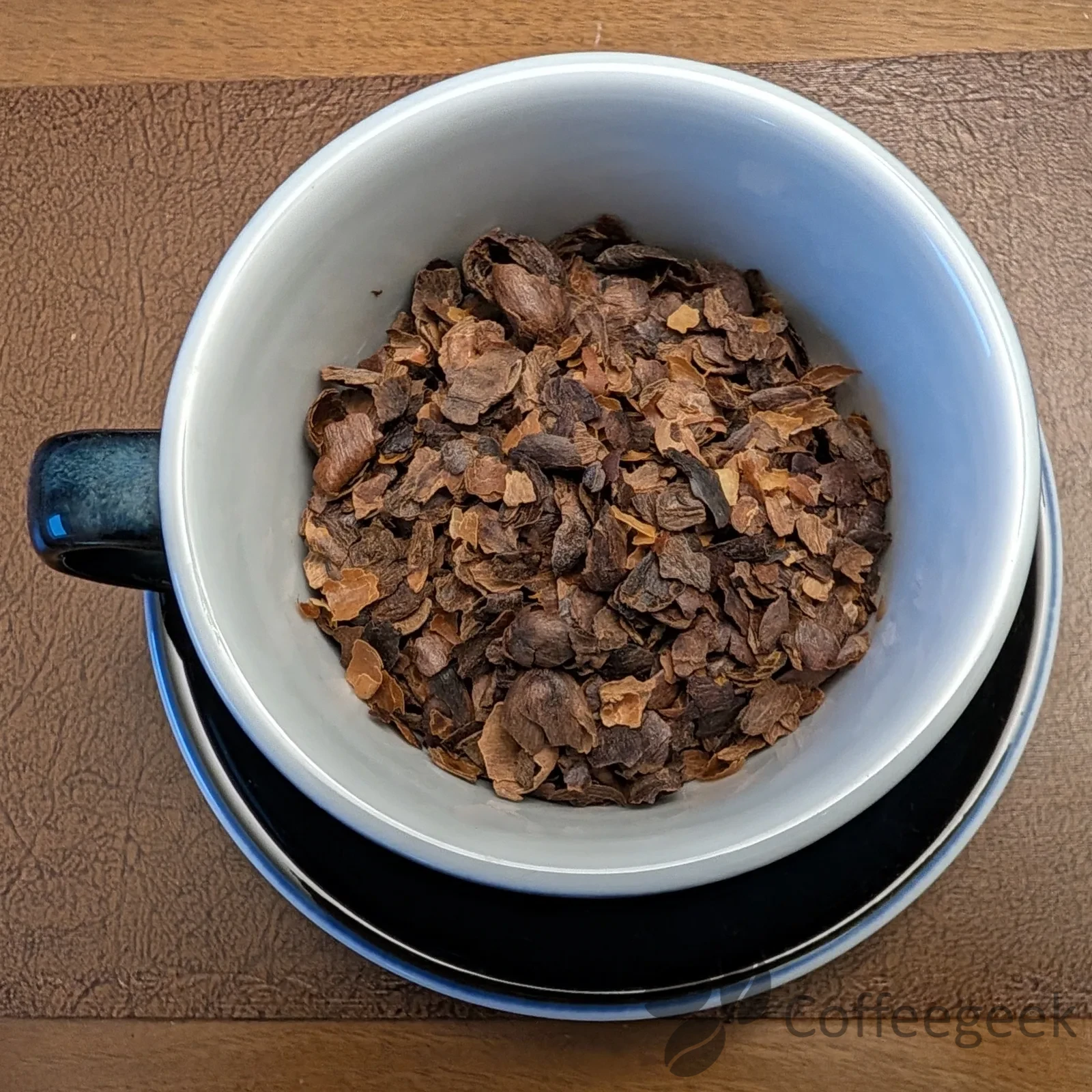
Cascara is the dried coffee cherry left once the beans are removed. The name is Spanish for "husk".
It usually comes from dry processing: the cherry dries whole, and in a natural-process cascara the parchment stays in the product. Yemeni qishr (also spelled qesher or q'shr) is dried, unroasted husk, parchment included, while in Central America cascara often means the dried fruit alone.
An old drink from Ethiopia and Yemen
The Oromo people of Sidamo, Kaffa and Jimmah simmered dried husks gathered from wild trees. They called the drink buno; in Arabic, it was qishr. In what is now Yemen, Sufis drank qishr during all-night vigils from the fifteenth century.
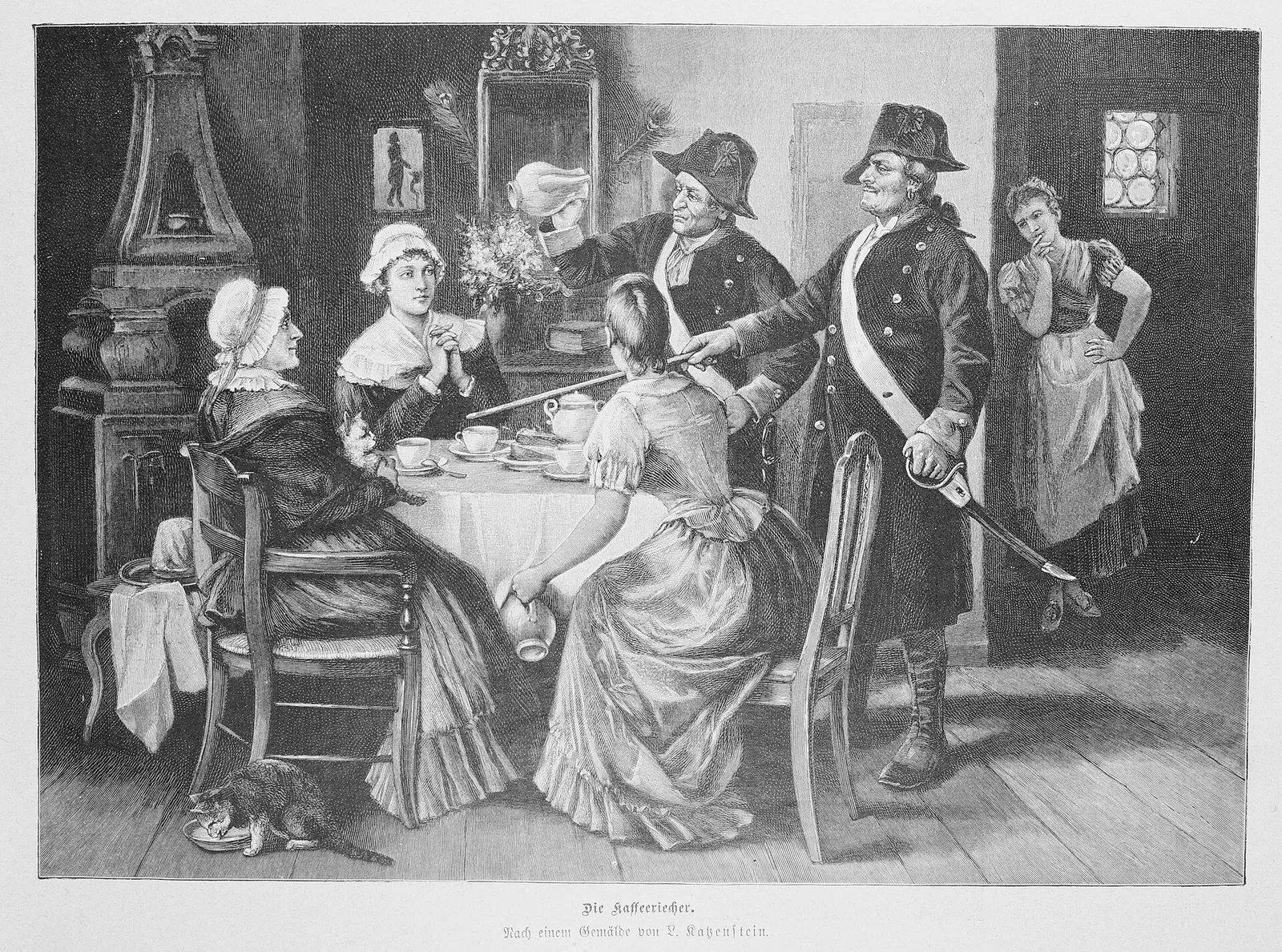
In Bolivia, lightly toasted cascara still makes "cascara tea", nicknamed the "poor man's coffee". Drinking coffee byproducts was common in the 18th and 19th centuries, before trade focused on the bean alone.
Back in specialty coffee
Central American producers have recently started experimenting with cascara. Interest has surged since: it has featured in many winning World Barista Championship signature drinks, and bottled cascara drinks are turning up. Most cascara blends several varieties; Panama is the exception, with single-variety lots of Gesha, Typica or Bourbon.
What does cascara taste like, and how is it brewed?
The flavour depends on where the coffee grew. Its profile is that of a dried fruit: raisin, sherry and botanical notes most often, with a hibiscus-like side. It is fruity and can be very acidic.
Good cascara tastes clean; vegetal notes are common. Defects include mouldy, woody, fishy or iodine flavours. Drying shapes most of this: a long drying step builds colour and fruit, while mechanical dryers give poor results.
Hot, traditional or iced
Tradition simmered qishr for about fifteen minutes, while Abyssinian kisher boiled for an hour into a straw-coloured, slightly sweet decoction. Today, cascara is brewed like a tea, hot or iced. In London, the Kaffeine coffee shop has served cold cascara infused with Earl Grey tea as a palate cleanser before espresso.
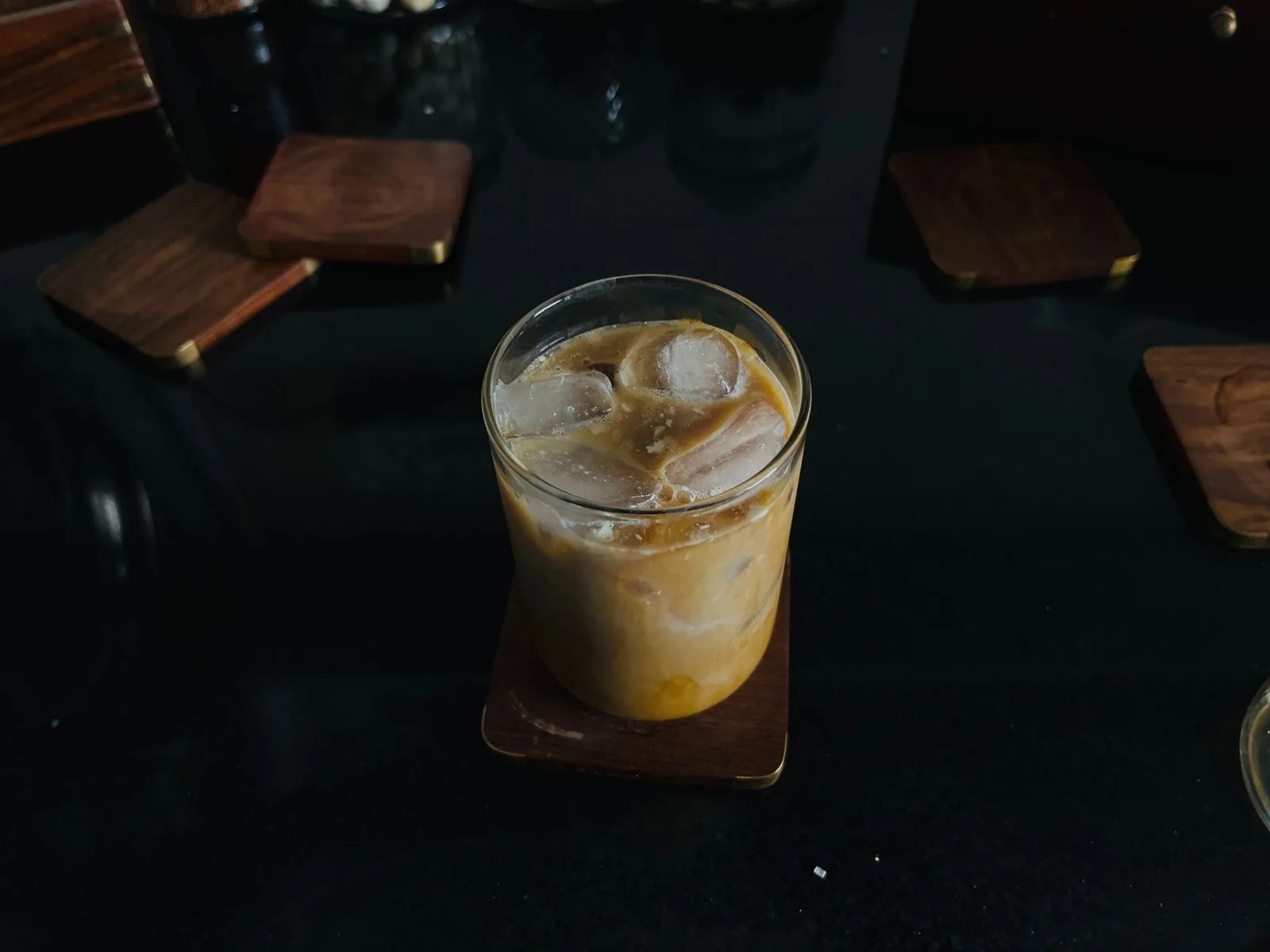
Brew cascara tea and freeze it into ice cubes, then do the same with brewed coffee. Put both kinds of cubes in a cocktail shaker and pour over 150 ml (5 fl oz) of cold-brewed coffee made with a cold dripper. Add 1 teaspoon of dried cascara, shake and serve immediately.
What about caffeine?
Coffee pulp holds about 1% caffeine, along with polyphenols. That is close to the share of caffeine in green coffee's dry weight. So cascara is not caffeine-free. How much ends up in the cup varies widely, and only testing the drink can tell.
Beyond the cup: what else farms do with pulp
Fertilizer and compost
On the farm, the simplest route is to drain the pulp, heap it along the fields to decompose, then spread it back as fertilizer. It is rich in potassium. Composting works too, but it brings extra caffeine onto the farm, with a risk of autotoxicity that lowers yields.
Feed and fuel
Pulp can also become feed. Stored in silos or dried, dry pulp offers 11.2% protein and 21% crude fibre. Burning pulp is rarely worth it, as drying it takes more energy than it gives back. Dry husks, though, are an ideal fuel for coffee dryers: husks from hulling 1 ton of parchment dry 0.7 tons of parchment coffee.
Food uses and the cost for farmers
Food makers are exploring further. Cascara can become flour or syrup for baking, and pulp goes into spirits, drinks and purées. For producers, cascara has a cost: more drying beds, extra workers and careful storage.
Cascara: a second life for the cherry, if it is dried well
If you want to try cascara, start with quality: a clean, slowly dried lot, since drying shapes most of its flavour. Expect a fruity, tea-like drink that still contains caffeine.
The bigger picture matters too. Pulp is two fifths of the coffee fruit, and much of it still rots in piles or reaches rivers. Every cup of cascara gives part of that fruit a use.
It will not fix wet-mill pollution alone: compost, feed and fuel remain the main outlets.