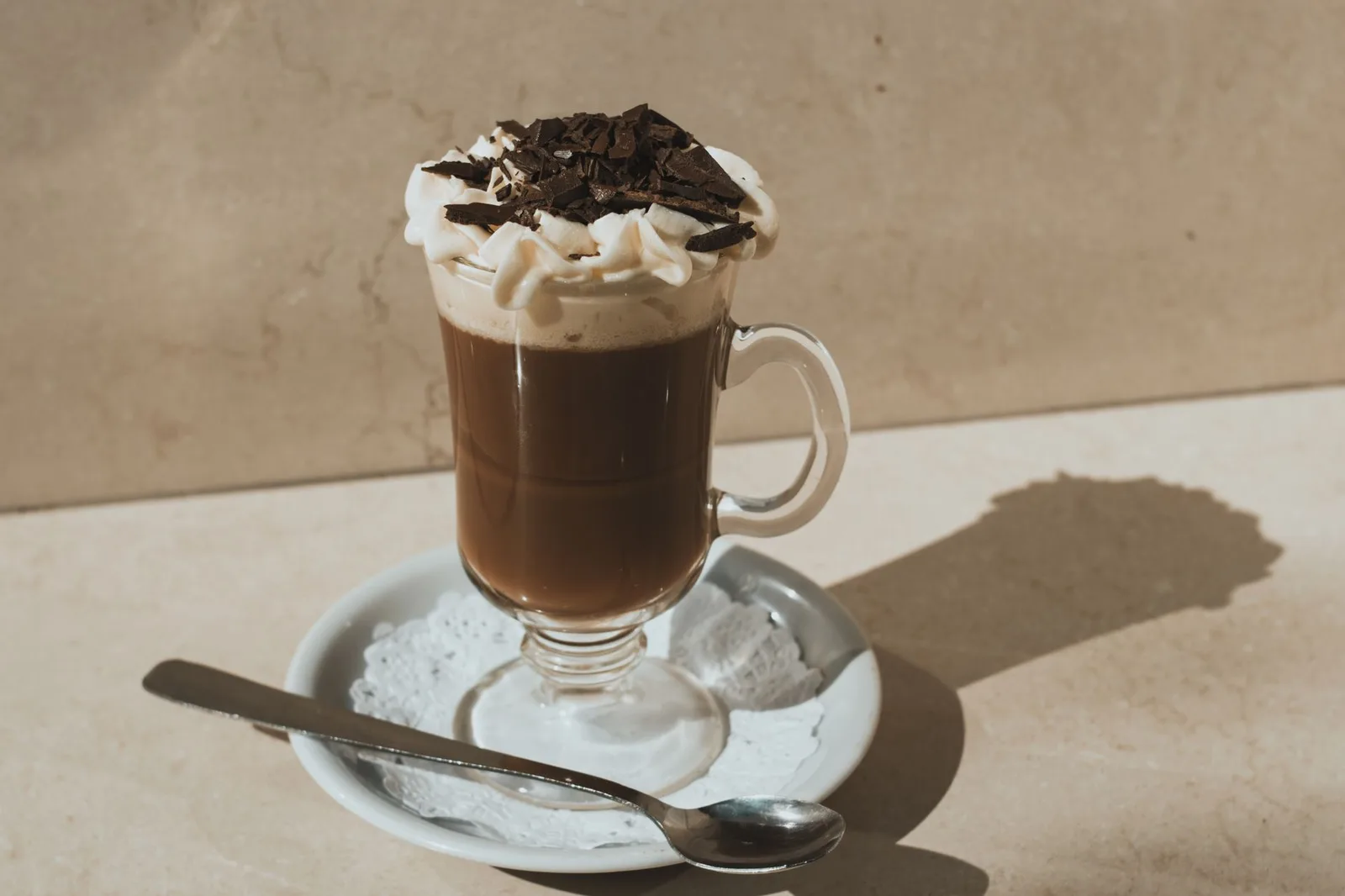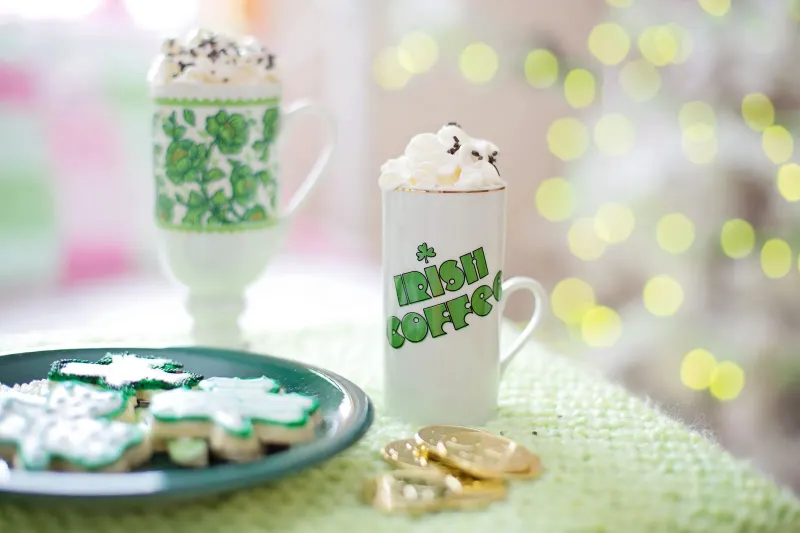

A winter night in 1943. A flying boat bound for New York turns back to Foynes, in County Limerick, after hours of rough weather. The frozen passengers are led to the airport restaurant. There, chef Joe Sheridan pours whiskey into their coffee. The Irish coffee is born, or so the story goes.
During World War II, Foynes was one of the biggest airports in Europe. Its flying boats could land on water if the weather turned or fuel ran short. Flights could last up to 18 hours, and passengers often reached the dock cold and shaken.
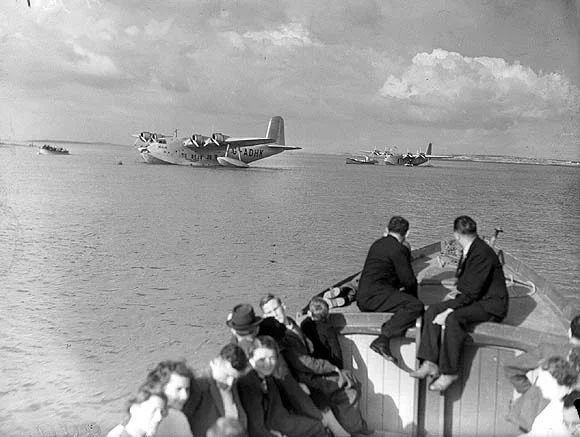
Sheridan had landed the chef's job in 1943 with a one-line application letter. A few weeks after the night of the storm, he served the drink in a stemmed glass topped with cream, and it went onto the menu. He later said he floated the cream "for the taste and the looks of it". The date is not settled: other accounts say 1942, and a rival claim credits a Dublin hotel bar three years earlier.
The drink crossed the Atlantic in 1950, when journalist Stanton Delaplane tasted it at Shannon Airport. On November 10, 1952, The Buena Vista in San Francisco put it on its menu. The bar was soon pouring 700 a day, and Irish whiskey exports to the US rose 40% in 1954.
The recipe below takes a few minutes.
Ingredients and equipment
Every Irish coffee rests on three things: coffee, Irish whiskey and cream. Sugar holds them together. The choice of coffee and brewing method varies a lot from one bar to the next. These quantities make one glass.
Ingredients
- 120 mL (4 fl oz) strong coffee, brewed in a pour-over filter
- 2 teaspoons brown sugar (one level teaspoon at the very least)
- 30 mL (1 fl oz) Irish whiskey
- 30 mL (1 fl oz) cream, lightly whipped and well chilled
Equipment
- An Irish coffee glass: a stemmed glass of about 7 fl oz
- A pour-over filter or a French press for the coffee
- A spoon, to float the cream off its back
- Optional: a heatproof bowl over a pan of simmering water, to warm the whiskey
Preparation time: a few minutes, plus brewing · Servings: 1
Other recipes shift the balance. French bartenders use 120 mL very hot coffee, 40 mL whiskey, 20 mL cane sugar syrup and 50 mL unwhipped cream. Another version pairs 3½ fl oz French press coffee with 1½ fl oz whiskey.
Step-by-step preparation
Each step prepares the next one: a hot glass, a sweet coffee, then a cream that stays on top. Get everything ready before you start, because the last steps go quickly.
-
Warm the glass
Fill the glass with hot water and leave it for a moment, then empty it. A warm glass keeps the drink hot. It also avoids a thermal shock that could crack it when the coffee goes in.
-
Brew a strong coffee
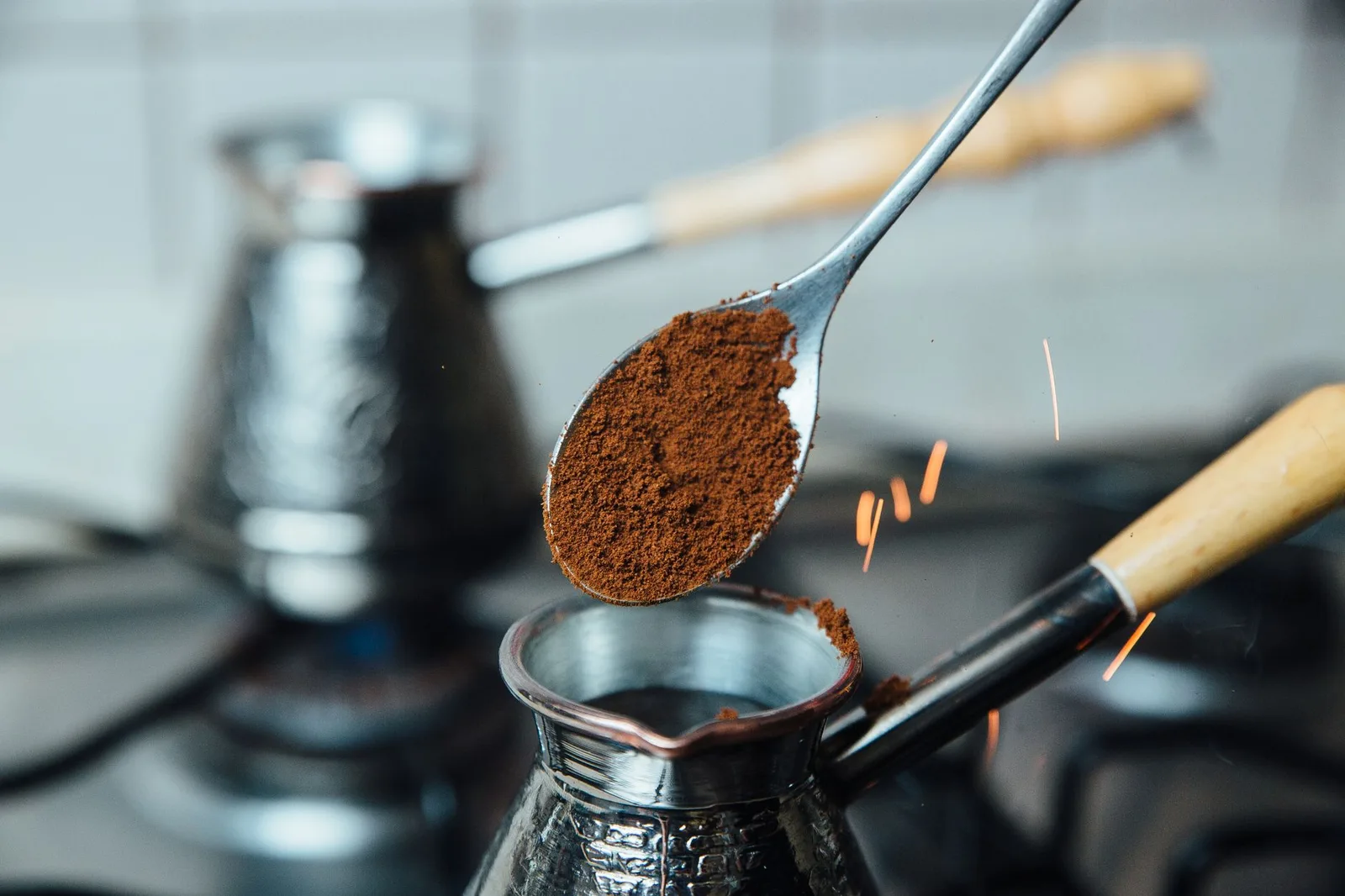
Brew 120 mL of strong coffee in a pour-over filter. A French press works too. The coffee has to stand up to the whiskey, the sugar and the cream, so grind and brew it strong: a weak coffee gets lost. Bars often use an americano, an espresso stretched with hot water, or a filter coffee from a capsule.
-
Dissolve the sugar
Pour the coffee into the warm glass. Add 2 teaspoons of brown sugar and stir until it has fully dissolved. No grains should remain at the bottom. This sweet base is what will hold the cream up later.
-
Add the whiskey
Pour in 30 mL of Irish whiskey and stir again.
Two other orders work. You can put the sugar and whiskey in the glass first, then add the coffee. You can also dissolve the sugar in whiskey warmed over simmering water, then stir it into the coffee. Whatever the order, the glass should now hold a hot, sweet, uniform liquid.
-
Whip the cream lightly
Whip 30 mL of well-chilled cream until it thickens. Stop before it turns stiff: it should still flow from the spoon. Thick but pourable is the texture to aim for.
The original Foynes version used plain unwhipped pouring cream, added to cool a drink that was too hot. Most modern recipes whip it lightly: thick cream is what bartenders use for floating. The well-chilled cream also cools the drink down.
-
Float the cream
Hold a spoon upside down, just above the surface of the coffee. Pour the cream gently over its back. Raise the spoon little by little as the layer builds, until the cream covers the whole surface. Go slowly: the layer should end up level and unbroken.
A few coffee beans on top make a classic finish. Serve at once, while the contrast between hot coffee and cool cream is at its best.
-
Drink it through the cream
Do not stir. The coffee is meant to be sipped through the cream layer. Each mouthful brings cool cream first, then hot, sweet coffee with the warmth of the whiskey. Stirring would turn it into a lukewarm, milky drink and lose the whole point of the recipe.
For a visual run-through, here is the recipe on video.
Other spirits, other liqueur coffees
The formula is simple: hot coffee, a spirit, floated cream. So it has many cousins. Their names are not standardised, but the most common ones are these. Most keep the method of the recipe above and change the spirit.
- Highland coffee (or Gaelic coffee): Scotch whisky.
- Jamaican coffee: rum.
- French coffee: cognac.
- Russian coffee and Mexican coffee: vodka and tequila.
- Italian coffee and Calypso coffee: amaretto and coffee liqueur, with no sugar.
- Baileys coffee: Irish cream replaces whiskey, cream and sugar at once.
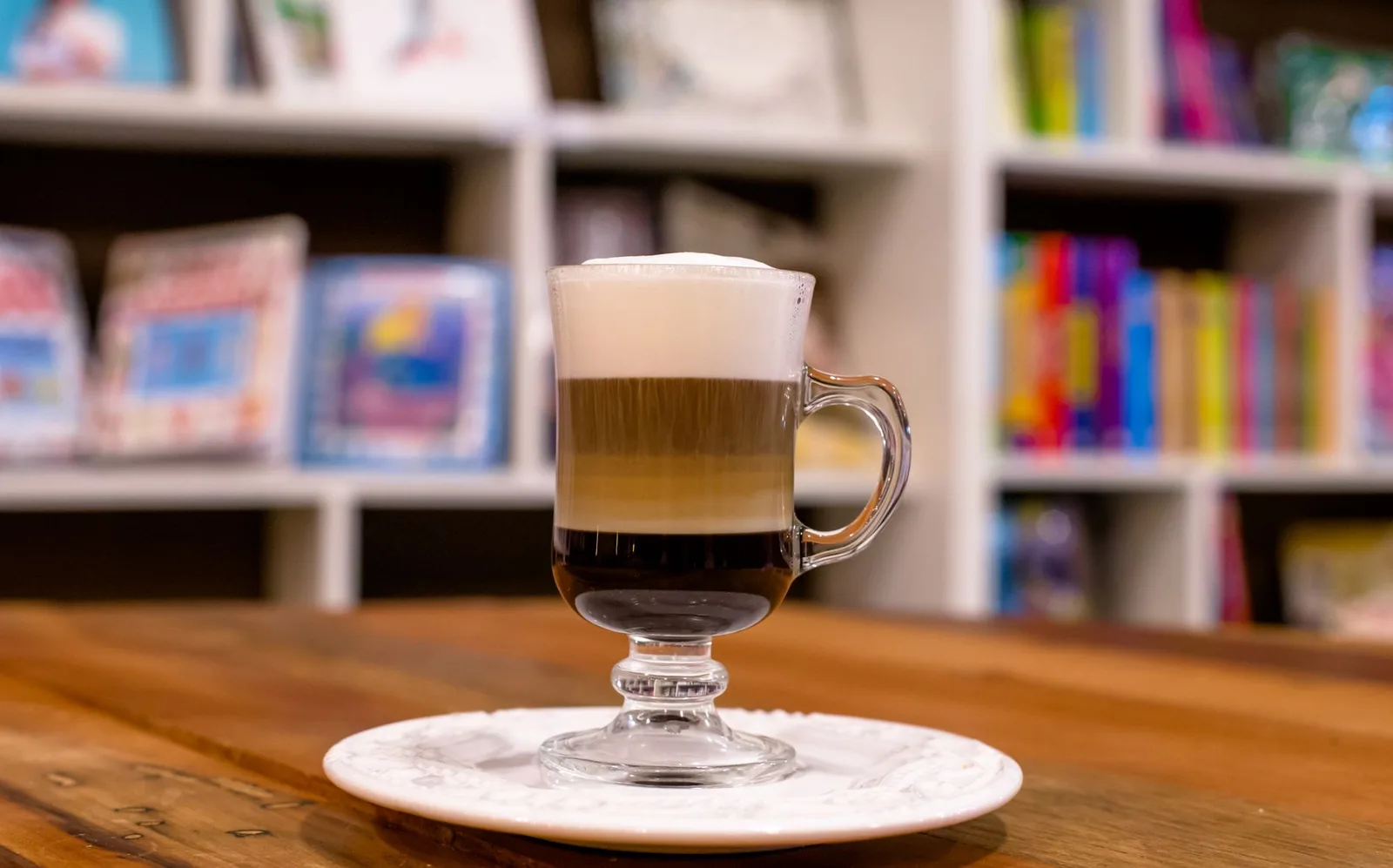
Some versions travel further. In Spain, the café irlandés is sometimes served in three layers: whiskey, coffee, then cream. Special devices are even sold to build the layers.
In Southeast Asia, some bars serve an iced coffee with whiskey, sometimes without cream, under the name Irish coffee, a boozy cousin of the iced coffee with sweetened milk. In New York, the cocktail bar The Dead Rabbit has crossed it with a martini and a brandy Alexander, and made a frozen version.
The Rusty Sheridan's is inspired by the Rusty Nail, the best-known Drambuie cocktail. Brew a 25 mL espresso into the glass. Mix 25 mL Drambuie, 25 mL Sheridan's and 50 mL whiskey in a small jug, then pour gently so the crema rides up.
A lemon twist left in the drink adds a brighter note. The Sheridan's adds sweetness and pushes the coffee flavour forward.
Tips for a perfect Irish coffee
Sugar is what lets the cream float. Dissolve it fully, and whip the cream until it thickens but is not stiff.
Sinking cream is the oldest Irish coffee problem. In 1952, Delaplane and bar owner Jack Koeppler tried to copy the drink at The Buena Vista. The cream kept going under. Delaplane later wrote: "I ruined a bottle of the best John Powers trying to make the cream float. For some reason the cream floats beautifully in Dublin. But for me in the States it sinks."
They had copied what Delaplane saw bartenders do in Shannon, Dublin and Ennis, without success. Koeppler even travelled to Shannon to learn the recipe.
A few mistakes to avoid:
- Cream whipped too firm: aim for thickened, never stiff.
- Cream poured too fast: without the spoon, it dives into the coffee.
- A cold glass: the drink cools quickly, and the glass may crack.
- Stirring at the end: the coffee is drunk through the cream, never mixed with it.
The original has two layers only: cream on top, sweet whiskey coffee below. The idea is a hot drink refreshed by cool cream. The Buena Vista still follows Joe Sheridan's recipe. In 2018, its owner said the bar served 250,000 Irish coffees a year.