
You dial in your grinder, pull a shot, and the result tastes wrong - but is it too fine, too coarse, or something else entirely? Grind size is the single most influential variable in brewing, yet it remains abstract until you can actually see its effect side by side: the same coffee, three different settings, three completely different cups.
This guide takes a visual approach. Instead of just describing under-extraction and over-extraction in words, we'll walk through real examples of grounds and their resulting shots, from a coarse setting that lets water rush through too quickly, to a fine setting that chokes the flow and drags out bitterness. We'll also compare espresso grind to pour-over grind, since the two methods sit at very different points on the extraction spectrum.
If bitterness is your main complaint rather than sourness, our dedicated breakdown of the most common causes of bitter coffee goes further into the mechanisms behind over-extraction.
Why grind size changes everything in the cup
Grinding coffee is really about controlling surface area. The finer the particles, the more surface is exposed to water, and the faster soluble compounds dissolve - which is exactly why espresso, with its brewing time of under 30 seconds, needs a much finer grind than a pour-over that takes three to four minutes. Push the grind too fine for the method and water lingers too long, pulling out bitter compounds late in the extraction; go too coarse and water rushes through before the sweet, balanced flavors have had time to dissolve.
For a standard 1:2 espresso (for example 18 g of grounds for a 36 g shot, extracted at 9 bars of pressure), the flow should last between 20 and 30 seconds, counting from the moment the first drops appear in the cup. Outside that window, the drink tips toward one of two failure modes: an under-extracted, sour shot, or an over-extracted, bitter one. Seeing these two extremes next to a correctly calibrated shot makes the difference immediately obvious, both in the grounds themselves and in the final cup.
Too coarse: under-extraction in espresso
When the grind is too coarse for espresso, water finds far less resistance as it passes through the puck. The shot runs unusually fast, often finishing well under 20 seconds, and the espresso in the cup looks pale and watery with a thin, quickly-fading crema. Tasted, it comes across as flat, sour, and oddly weak - as if the coffee never had the chance to give up its sweetness.
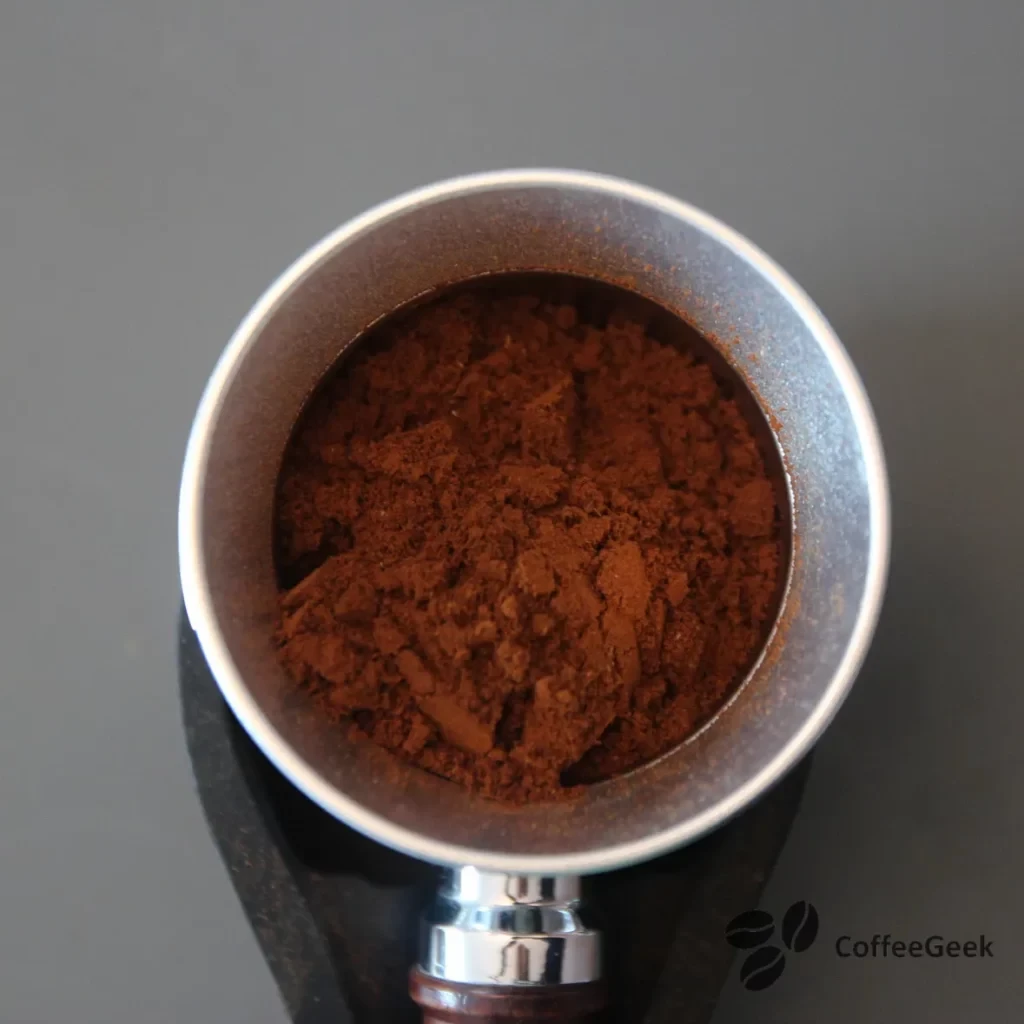
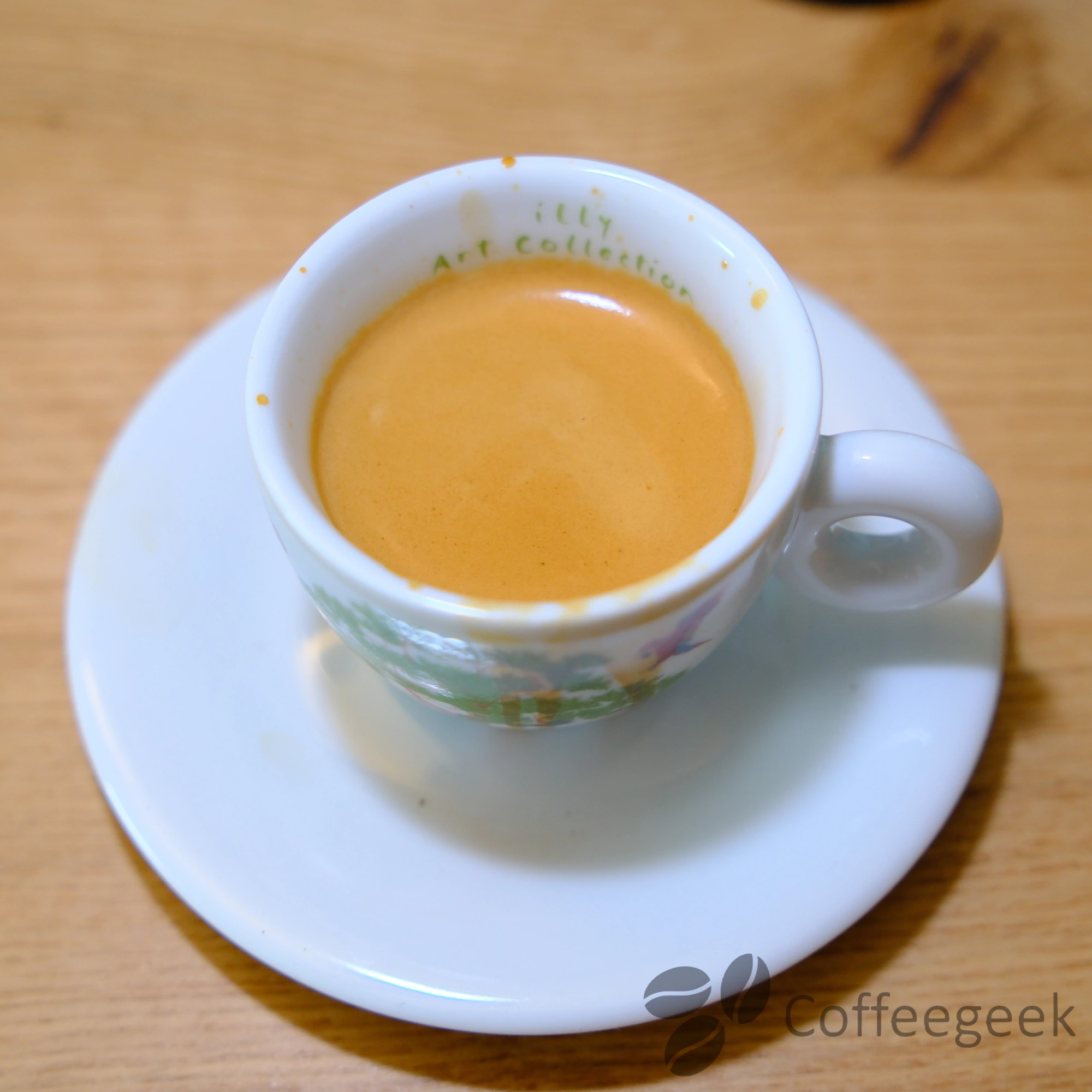
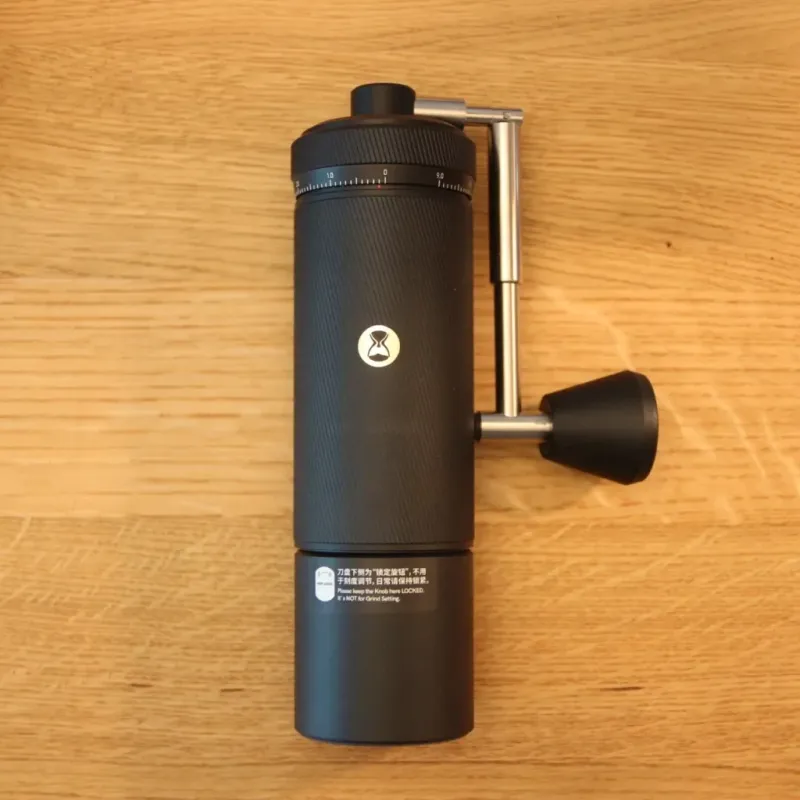
If your shot runs in under 20 seconds, don't touch the dose first - go straight to the grinder and move one or two clicks finer. A grinder built specifically for espresso, with fine-grained adjustment, like the Timemore S3 ESP (available on Amazon), makes this kind of small correction far easier than a machine with only a handful of coarse steps.
The balanced middle ground: a properly extracted espresso
Between these two extremes sits the grind size you're actually chasing. A correctly calibrated espresso flows for roughly 25 seconds, forming a dense, uniform crema with warm hazelnut tones and no large bubbles on the surface. In the cup, the balance between acidity, sweetness, and bitterness feels resolved rather than dominated by any single note - this is the "correct grind" zone where flow rate and contact time line up with the coffee's roast level and dose.
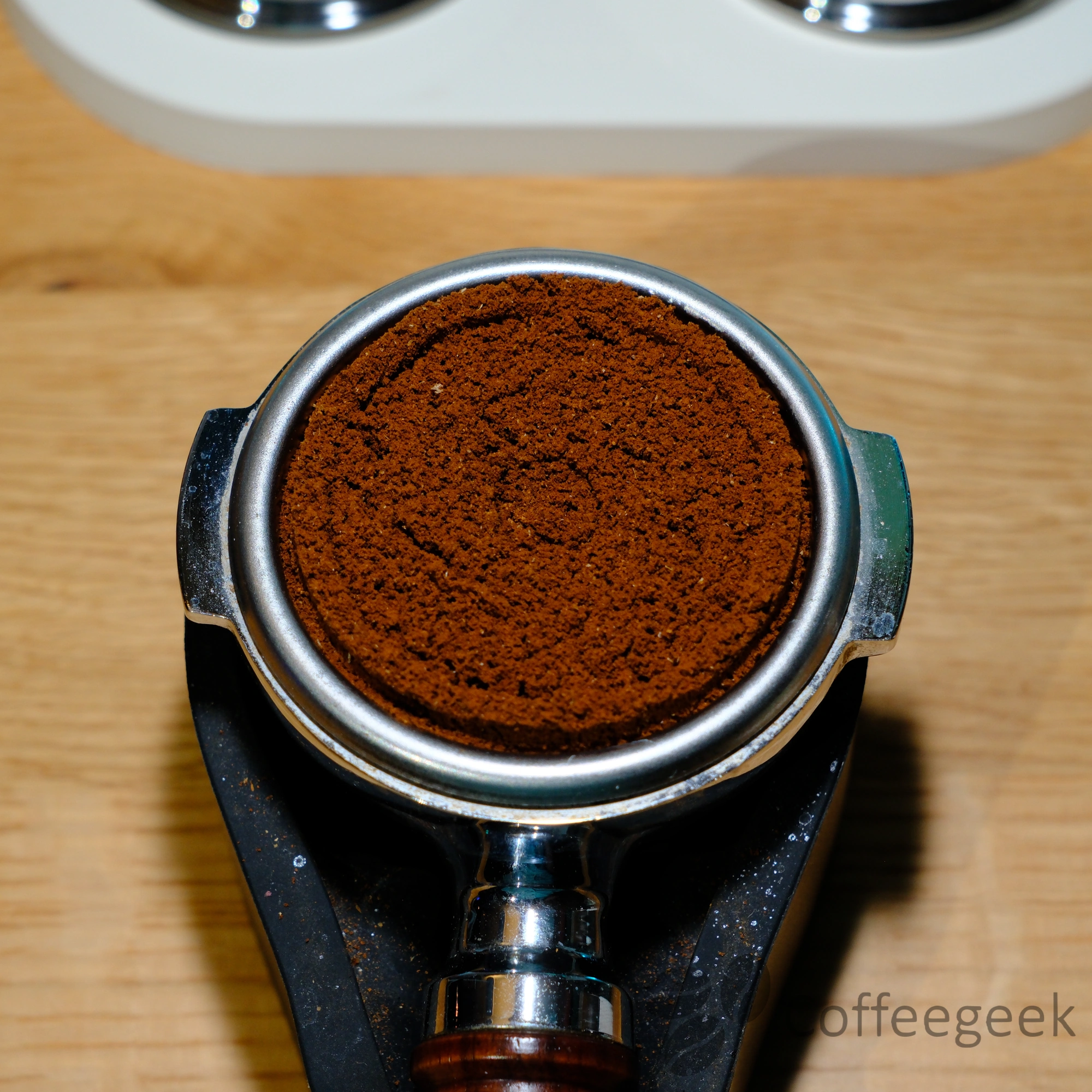
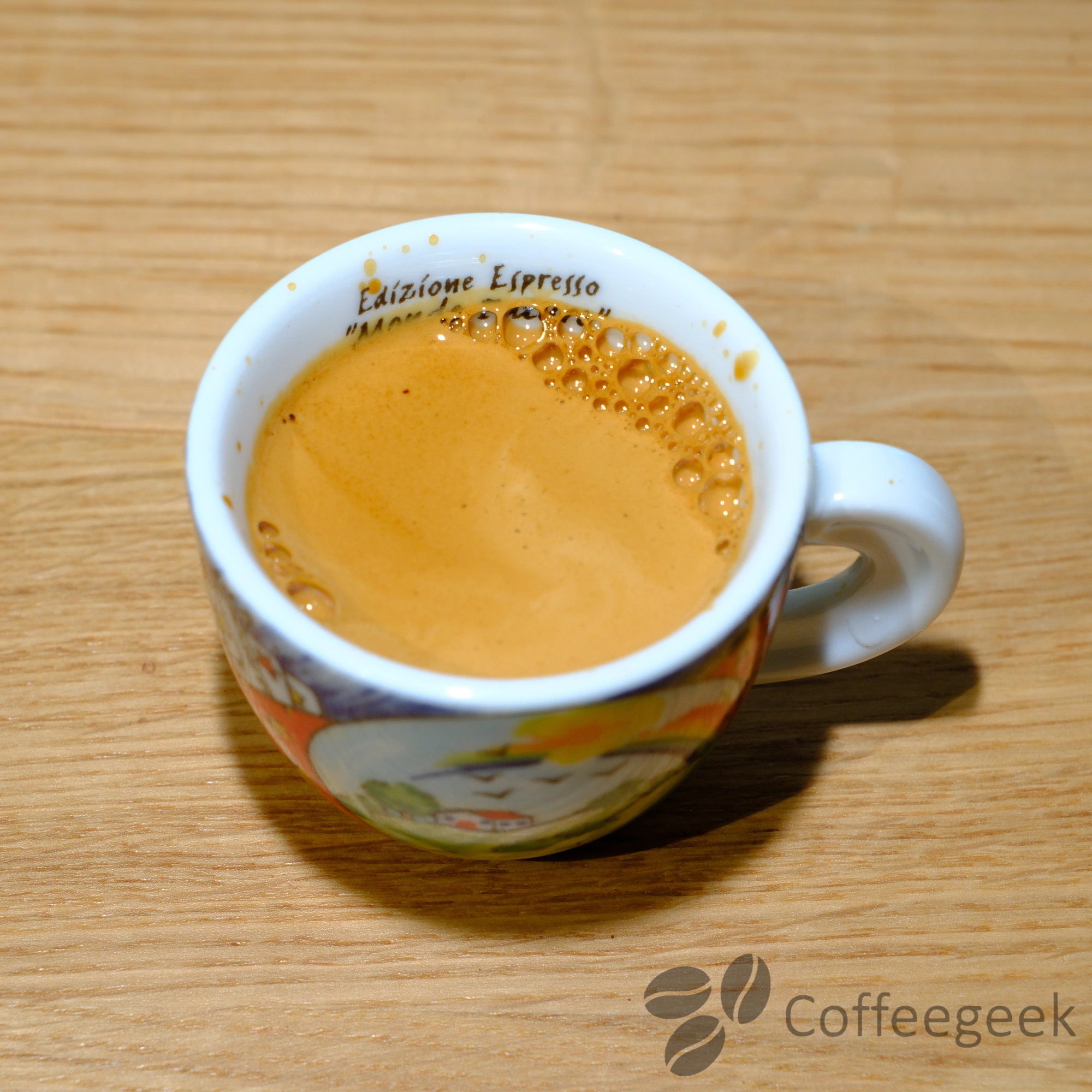
Too fine: over-extraction in espresso
Go one step too far in the other direction and the grind becomes too fine, choking the flow. Water needs far too long to make its way through the puck - the shot may take 35 to 40 seconds or more - and by the time it does, it has pulled out the bitter, astringent compounds that only appear late in extraction. The crema turns dark and blotchy, sometimes almost burnt-looking, and the taste follows suit: heavy, dry, and unpleasantly bitter.
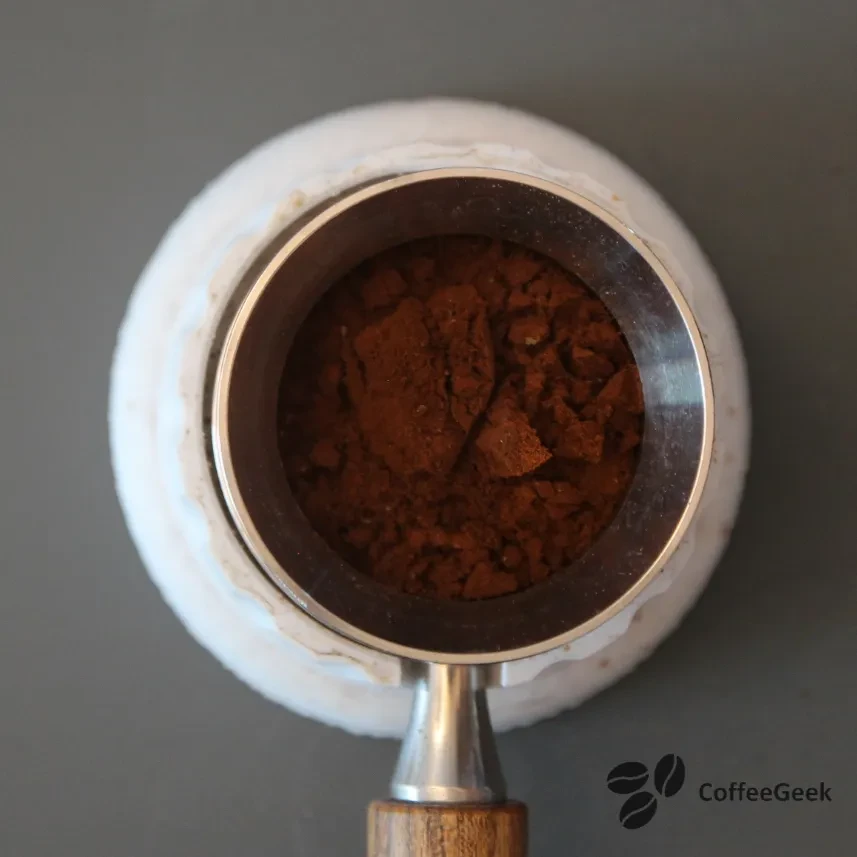
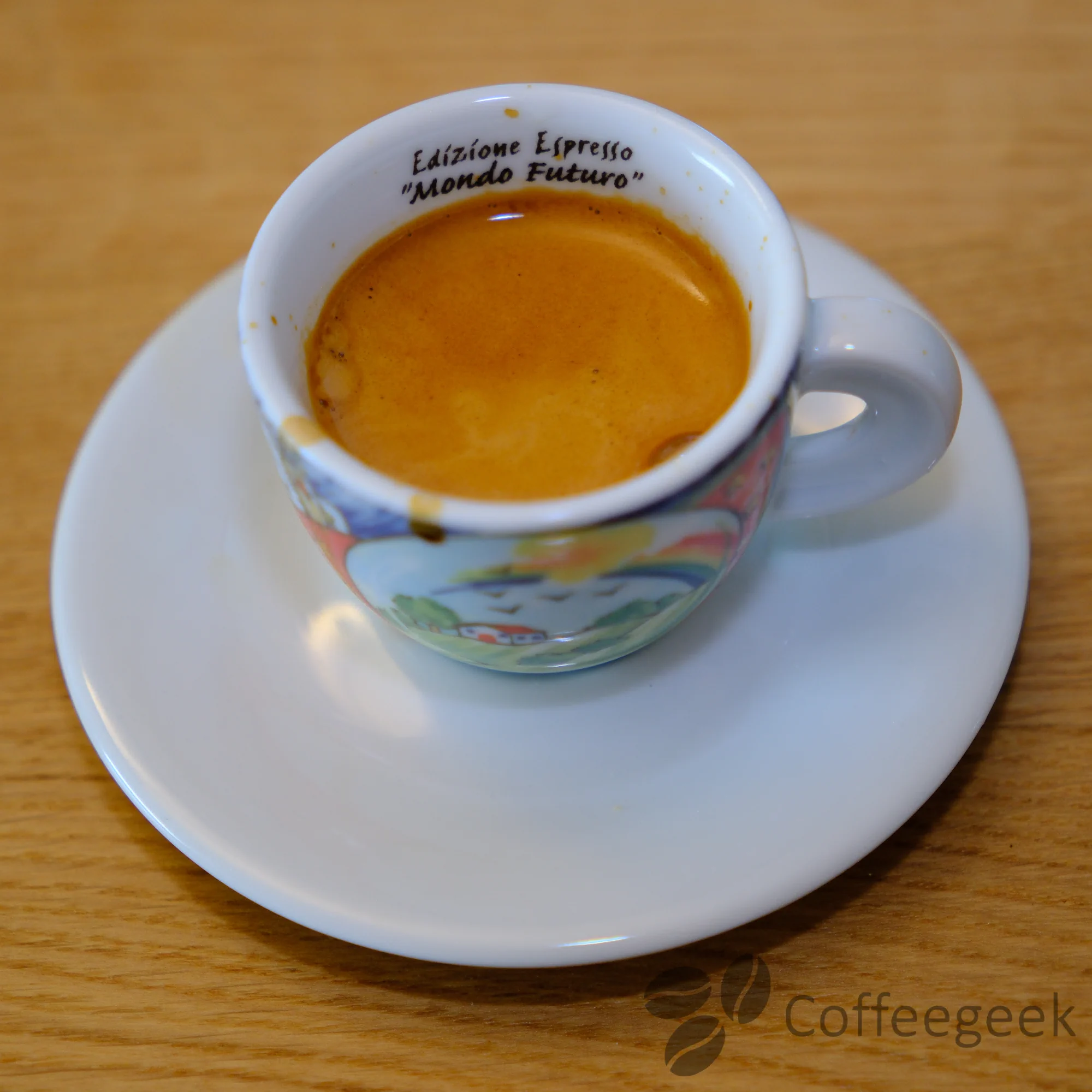
Grinding finer to "boost strength" is one of the most common mistakes at home. It usually backfires by dragging the extraction past the sweet spot straight into bitterness, rather than making the coffee genuinely stronger.
Pour-over: a coarser world entirely
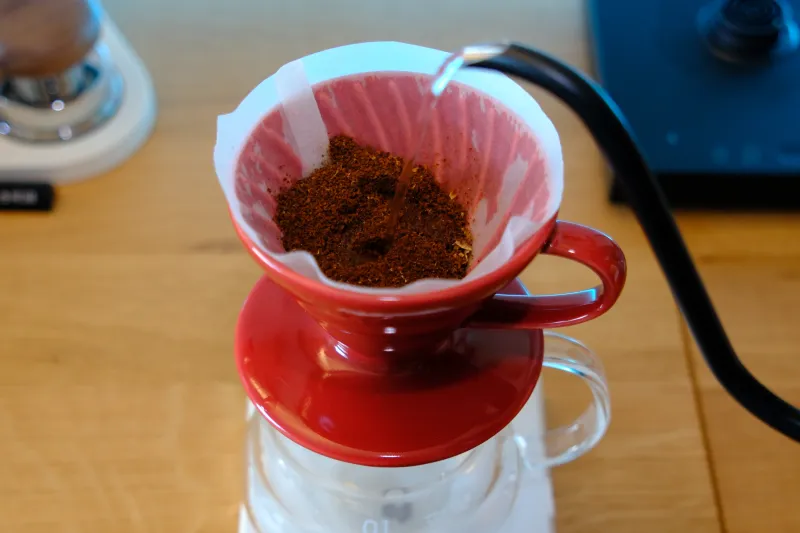
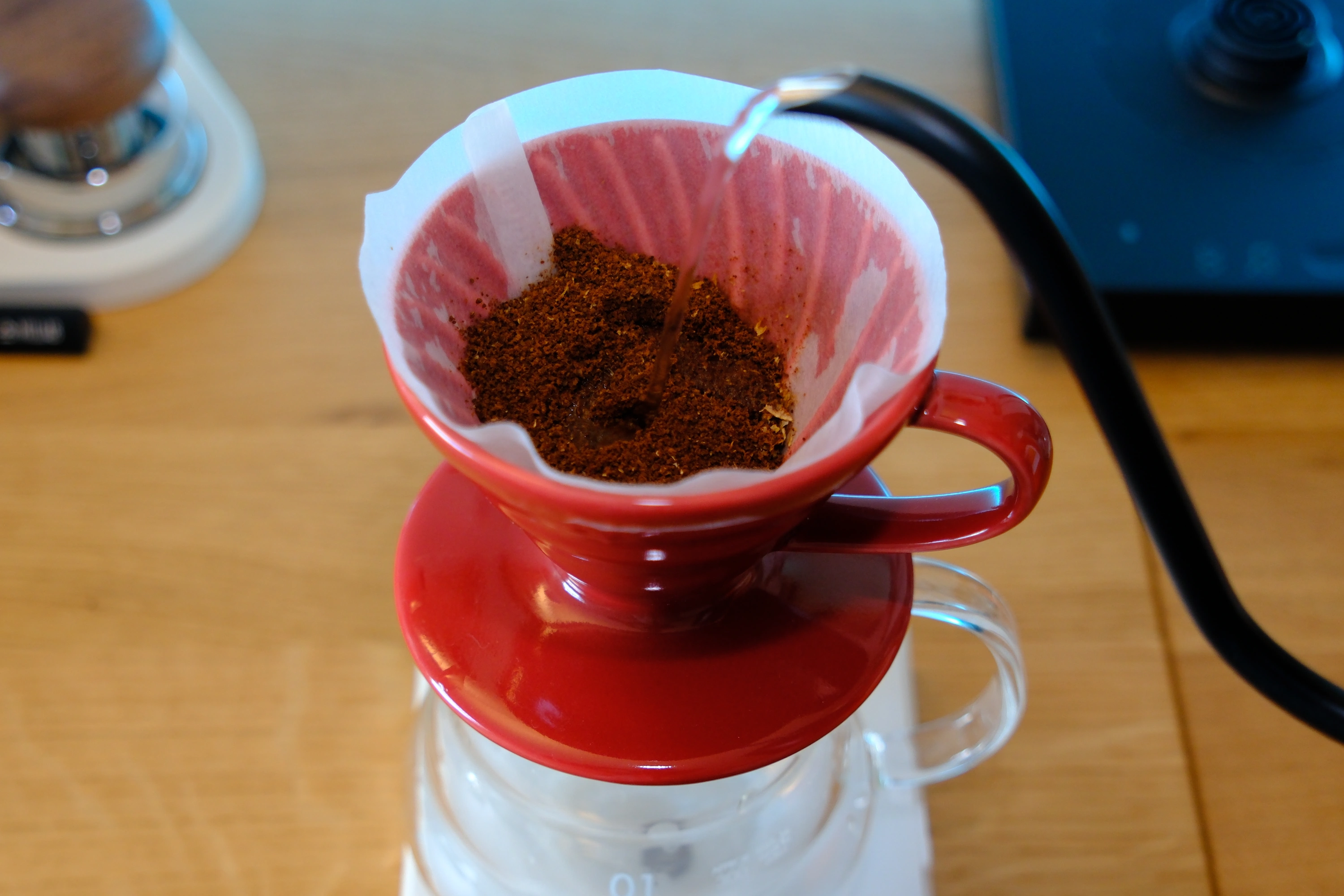
Switch to a V60 or Chemex and the target grind moves dramatically coarser than espresso, because the brewing time is much longer and there's no pressure pushing water through. A pour-over grind looks visibly larger and more even, closer to coarse sand than the powder-fine texture used for espresso, which lets water flow steadily through the bed over several minutes without over-extracting. The resulting cup should be clear rather than cloudy, with a nose showing fruity, floral, or nutty notes and a texture far lighter than espresso.
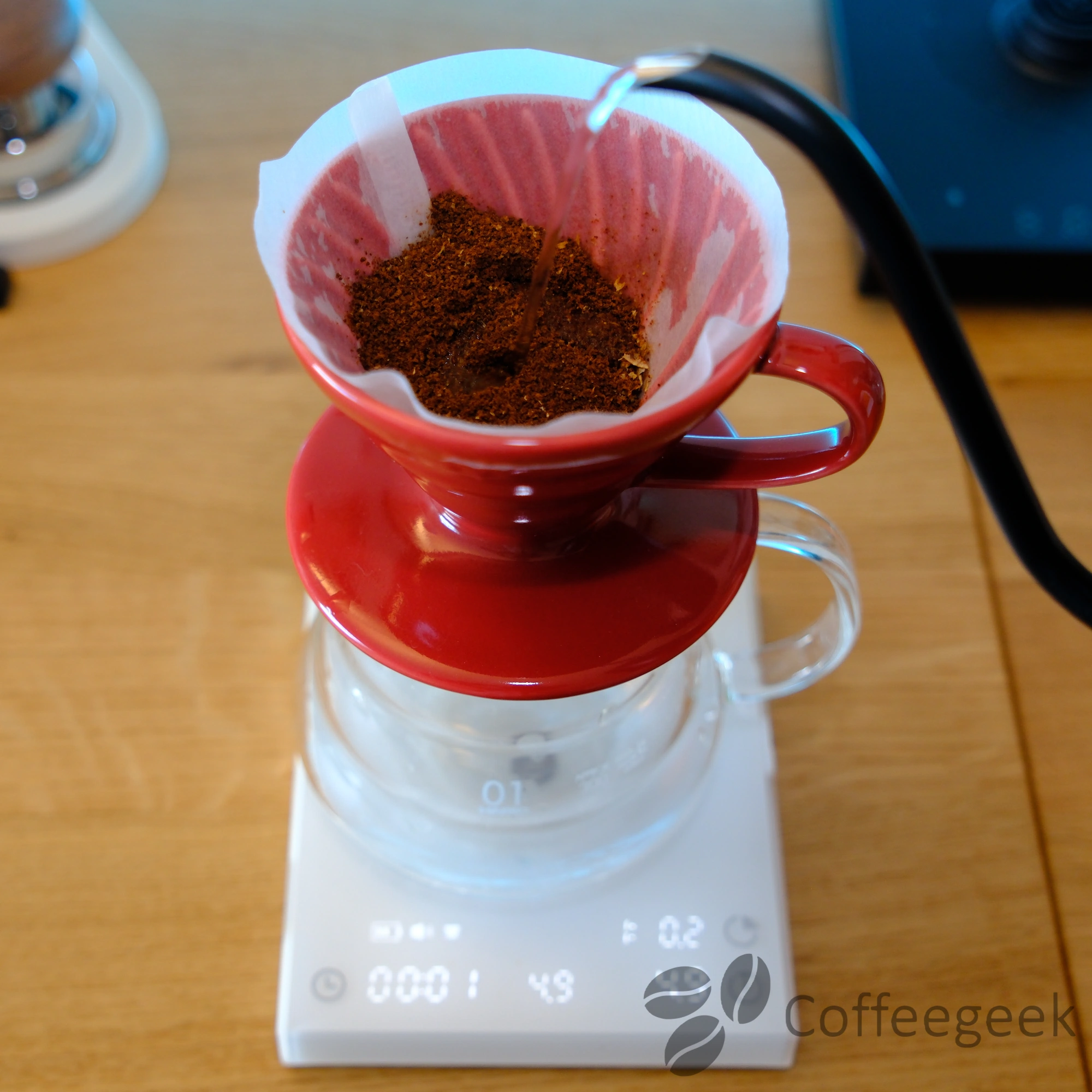
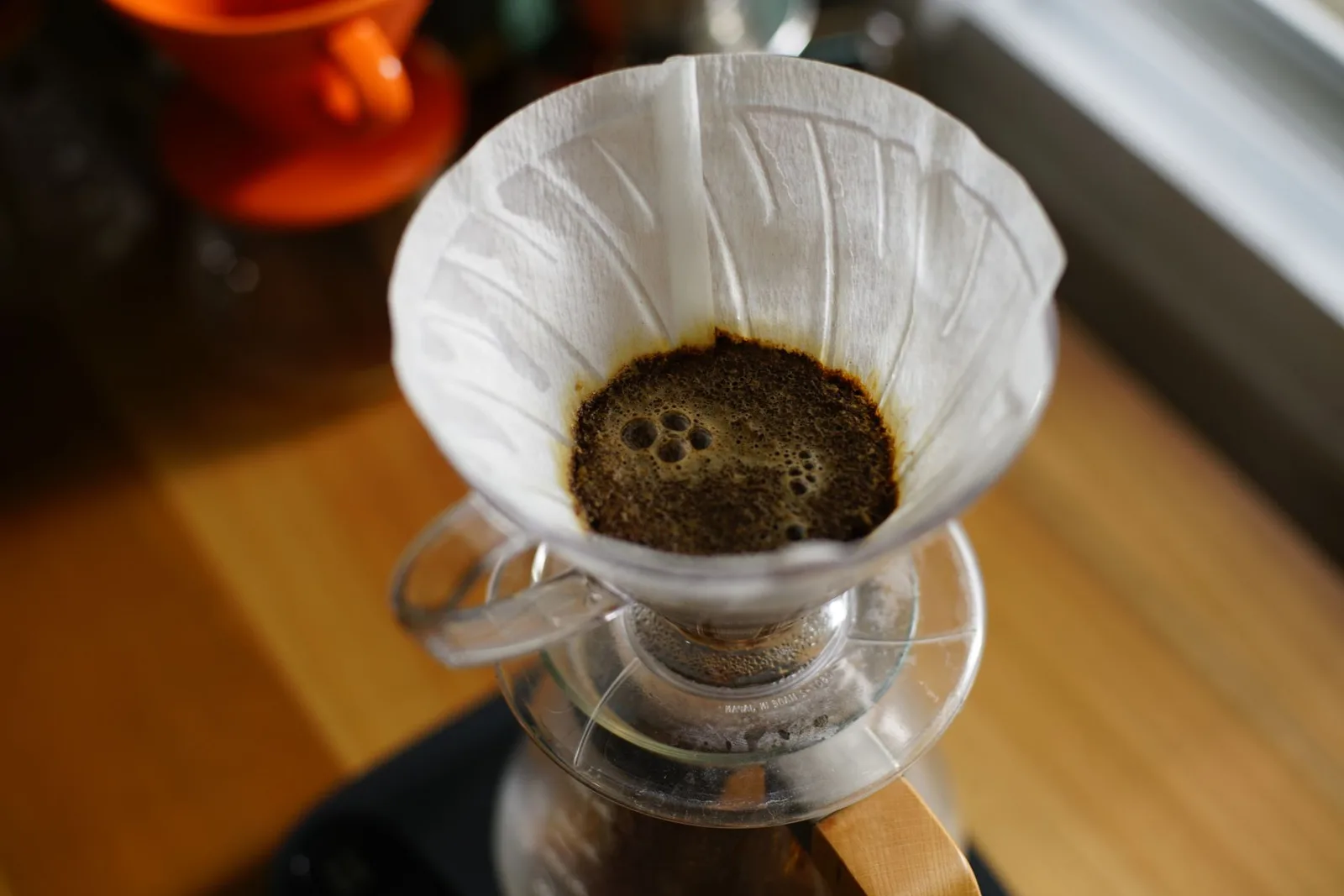
Pour-over rewards even, consistent particles at a coarser setting rather than pure fineness. The Timemore Chestnut S3 (available on Amazon) is our top pick in this range, built specifically for that kind of consistency at pour-over settings.
Summary table: reading the symptoms
| Symptom | Probable cause | Solution |
|---|---|---|
| Shot runs under 20s, pale/thin crema, sour | Grind too coarse | Adjust one to two clicks finer |
| Shot runs 20-30s, hazelnut crema, balanced taste | Correct grind | No change needed |
| Shot runs over 35s, dark/blotchy crema, bitter | Grind too fine | Adjust one to two clicks coarser |
| Filter coffee drains in under 2 min, weak/sour | Grind too coarse for the method | Grind finer or slow the pour |
| Filter coffee drains over 4-5 min, muddy/bitter | Grind too fine for the method | Grind coarser, reduce pours |
Conclusion and recap
Grind size is the dial that decides almost everything about how a coffee tastes, because it directly governs how fast water moves through the grounds and how much it manages to dissolve along the way. Too coarse and you get a fast, sour, thin shot; too fine and you get a slow, bitter, blotchy one; somewhere in between sits the balanced cup, with a rich crema and a rounded flavor. Pour-over shifts this whole scale coarser, since its much longer brew time compensates for the larger particles.
The fastest way to internalize all this is exactly what the photos above show: compare grounds and cups side by side, adjust one small step at a time, and taste the result before making another change.
Going further
Bitter-tasting coffee: the 5 most common causes
Coffee too bitter despite quality beans? Discover the 5 common causes and how to easily fix them to get a balanced cup back.
Read the article →
5 Reasons Your Filter Coffee Isn't Perfect (Fix It)
Fix 5 common filter coffee mistakes - pouring, grind, filters, dripper, and dense beans - with practical solutions from coffee specialist Asser Christensen.
Read the article →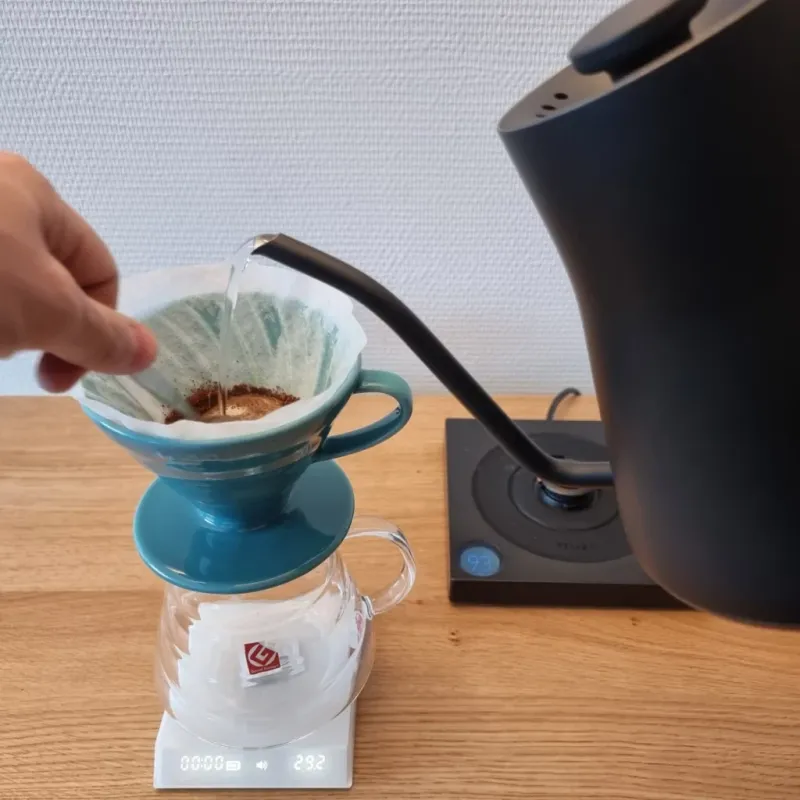
Timemore Chestnut S3 Review: Best Manual Pour-Over Grinder
Complete review of the Timemore S3 manual grinder: precision, design, and pour-over excellence. Why it shines for filter coffee but cannot do espresso.
Read the article →