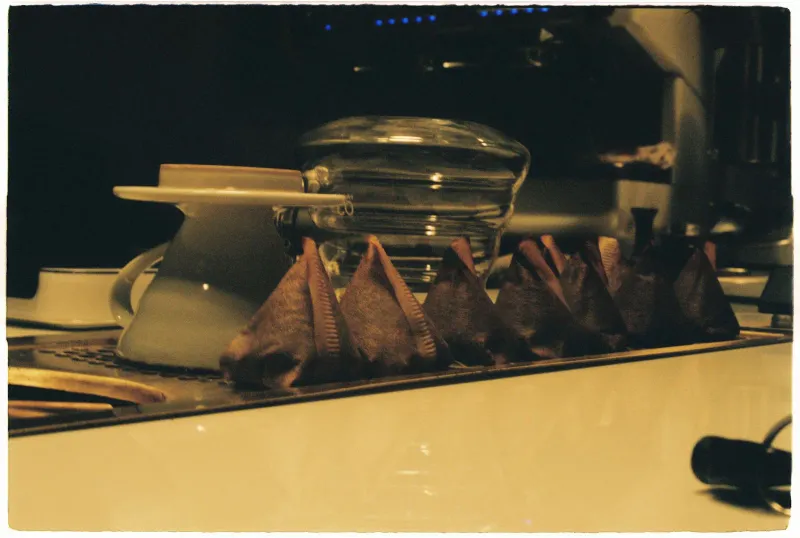

A sheet of blotting paper torn from a child's notebook. A brass pot pierced with holes. A Dresden housewife who was tired of bitter coffee full of grounds. That is roughly how filter coffee as we know it began, in the first years of the 20th century.
On 8 July 1908, the Patent Office in Berlin registered the idea of Melitta Bentz. The same year, she founded a company that still bears her first name. Until then, coffee went through cloth bags that were hard to clean, or through percolators that made it bitter.
Her first filter was a flat paper disc. Her company went on to adopt the cone, then the filter bag, which led to the drippers on our counters today. Along the way, the business survived two world wars and moved from Dresden to Minden.
Her story also raises a question every filter coffee lover meets sooner or later. Paper, metal or cloth: what does the filter really change in the cup? We start in the kitchens of the 1900s, then move to taste, health and everyday care.
Before paper: how did people filter coffee?
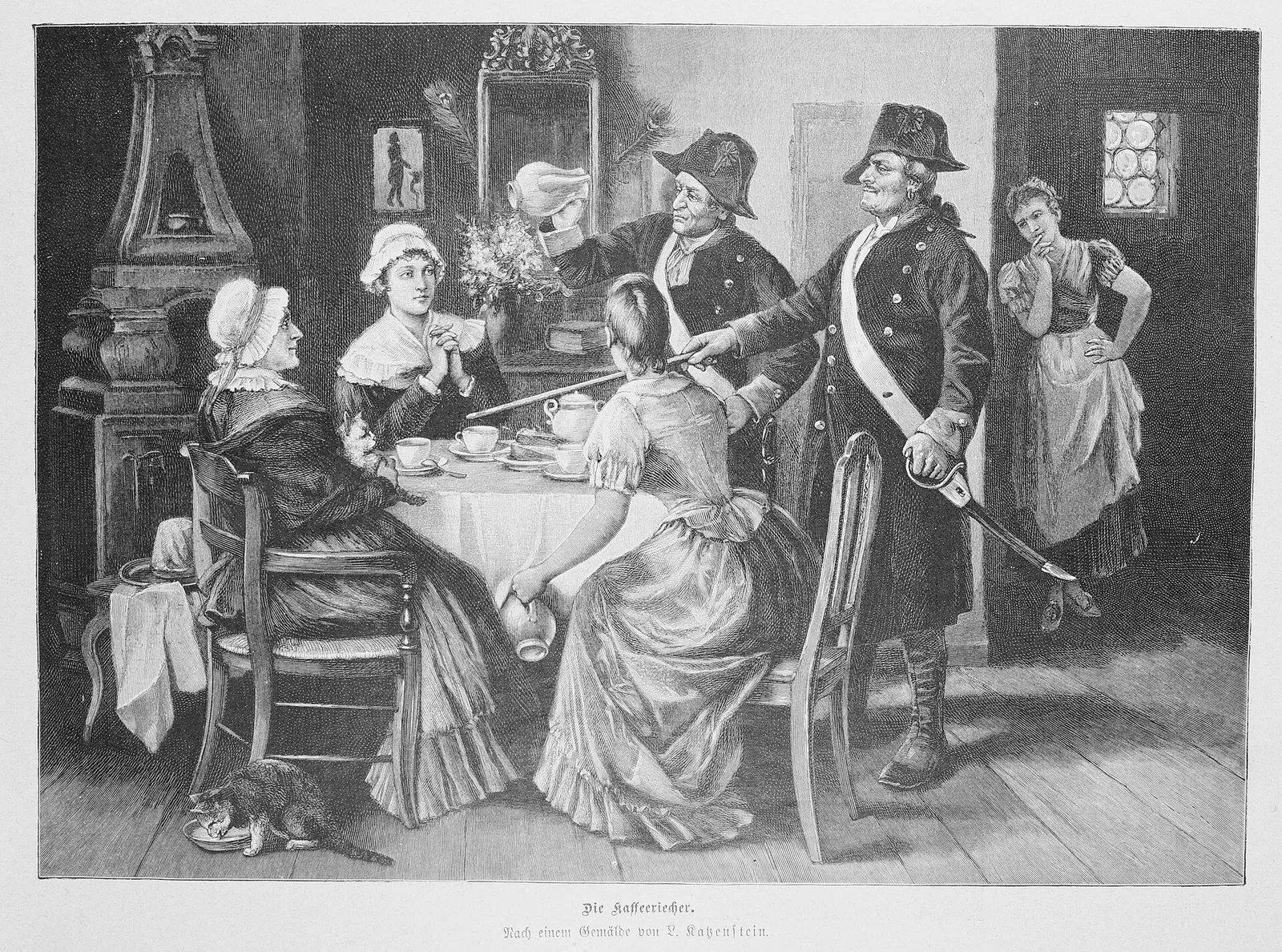
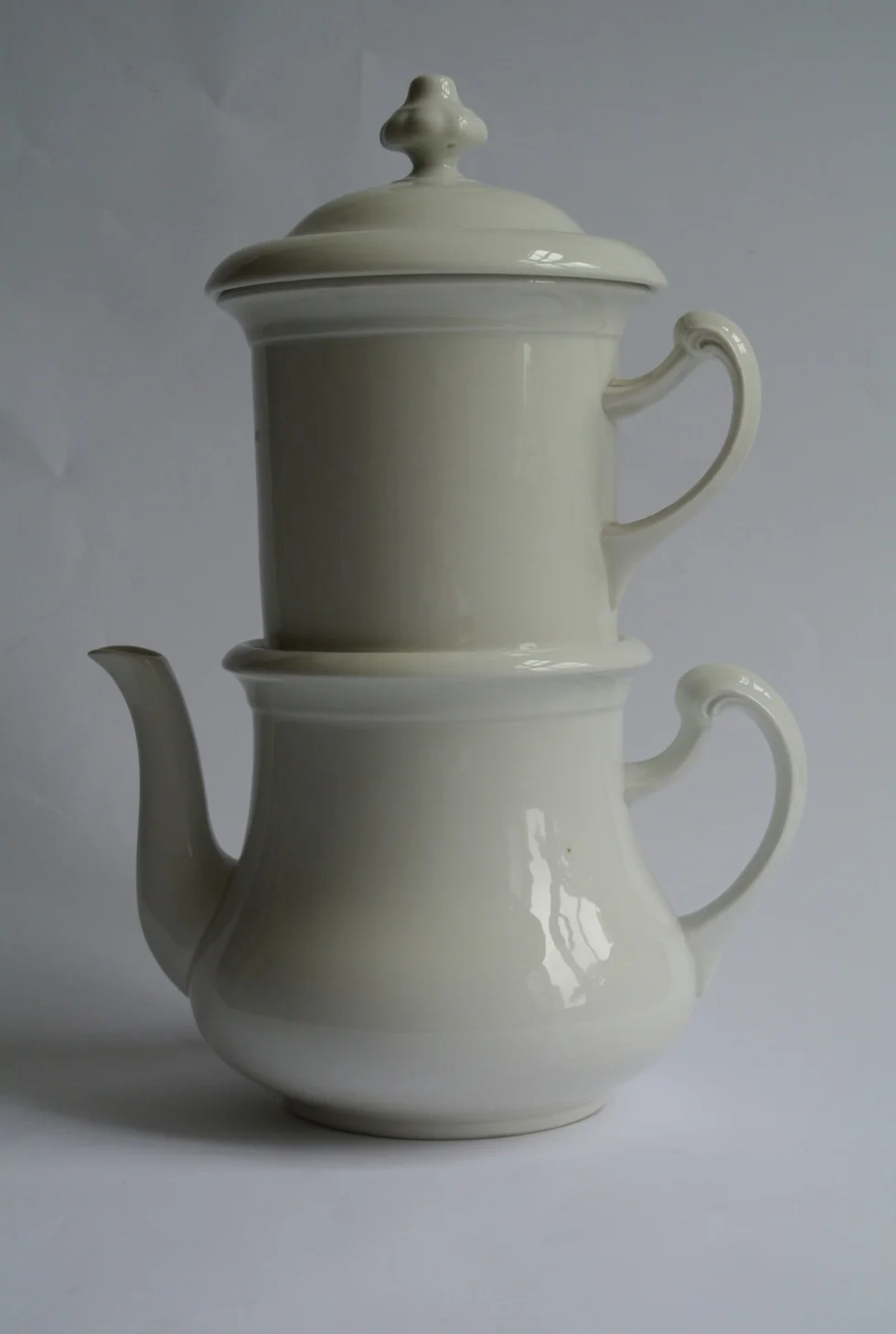
For the two centuries before 1908, the main way to brew coffee at home was a linen bag hung in the pot. Cloth of every kind did the job: cotton, hemp, silk, wool, horsehair, muslin or flannel. The first cup-top brewers also used cloth filters only.
These bags had a serious flaw. They were hard to use and hard to clean. Paper had already found a place in some homes. In Germany and the Netherlands, some households used a narrow metal or porcelain funnel, the Hamburg filter. Paper inserts were used in these funnels, and they were still common in the early 1900s.
In 1894, Eugen Wilda patented a filter device with single-use cloth bags. His patent judged them better than the paper bags apparently already in use.
At the start of the 20th century, most people brewed with a percolator. It cycles boiling water through the grounds again and again. The result is over-extraction: the electric percolator in particular produced an incredibly bitter cup.
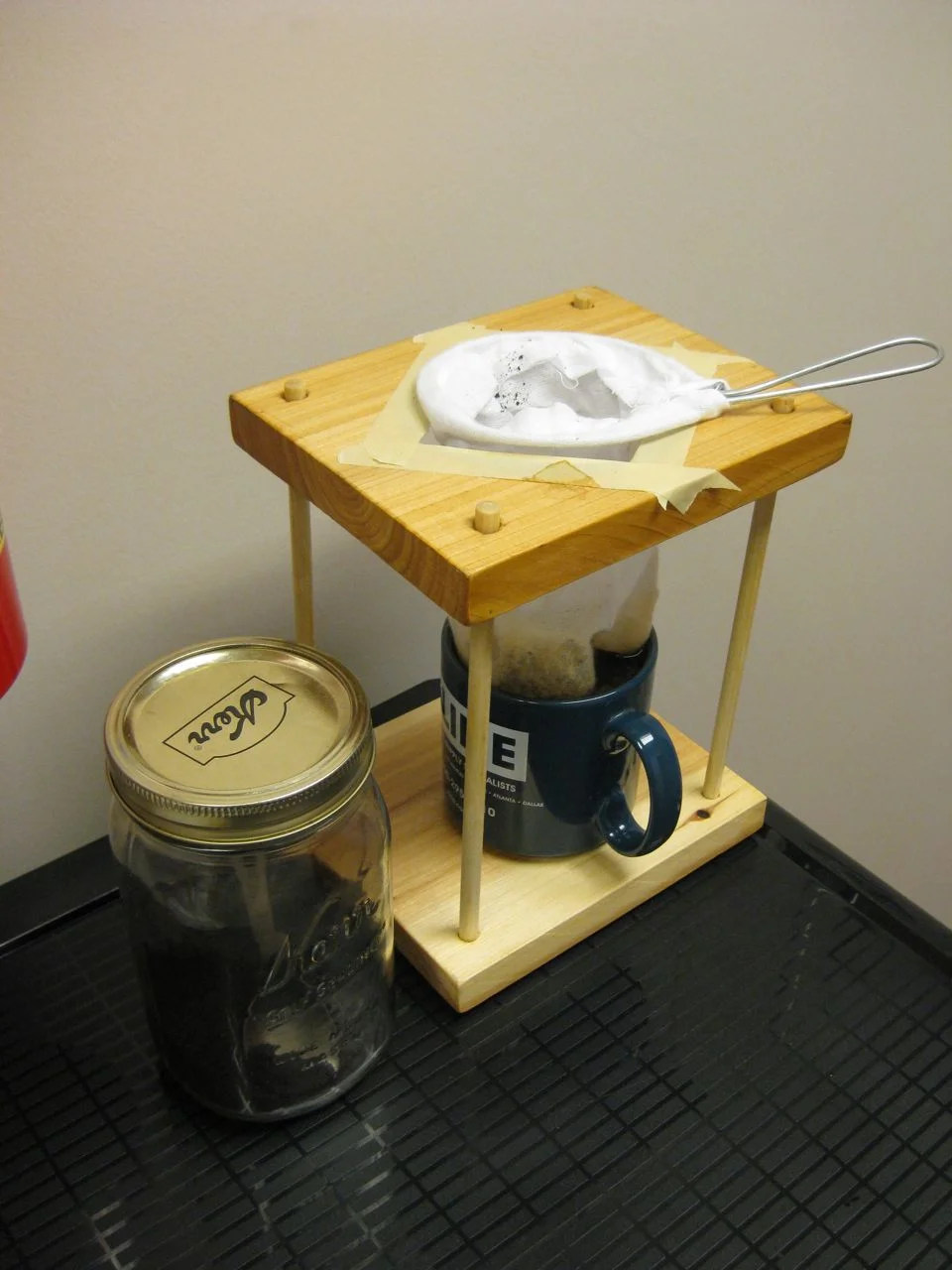
Dresden, 1908: a sheet of blotting paper and a brass pot
Amalie Auguste Melitta Liebscher was born in Dresden on 31 January 1873. Her father was a publisher, and her grandparents owned a brewery. Around 1898 or 1899, she married Hugo Bentz, a small business owner. They had two sons, Willy (born 1899) and Horst (born 1904), then a daughter, Horta (born 1911).
As a housewife, she found brewing coffee frustrating. The percolator over-extracted, and the filters of the day left grounds in the drink. She wanted coffee without the bitterness of overbrewing.
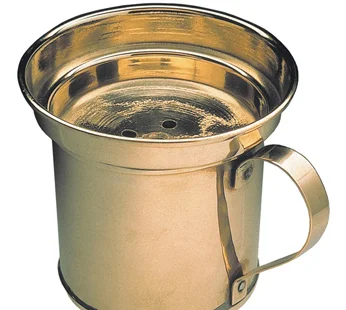
So she tried something simple. She tore a sheet of blotting paper from her son's notebook. She laid it in a perforated brass pot, added ground coffee and poured water over it. The coffee dripped through the holes into the cup, and the grounds stayed behind.
The used paper went straight into the trash. Clean-up became faster and more hygienic than with a linen bag. The cup itself looked clearer, with no grounds, and felt "cleaned" of its impurities. Brewing also took less time.
That summer, the Berlin Patent Office registered her "Filter Top Device lined with Filter Paper". Melitta Bentz was 35. She founded the Melitta company the same year.
At first, the couple made filters at home: Hugo ran production and Melitta handled marketing. The first commercial paper coffee filter was a round disc of 94 mm, a format later named "1".
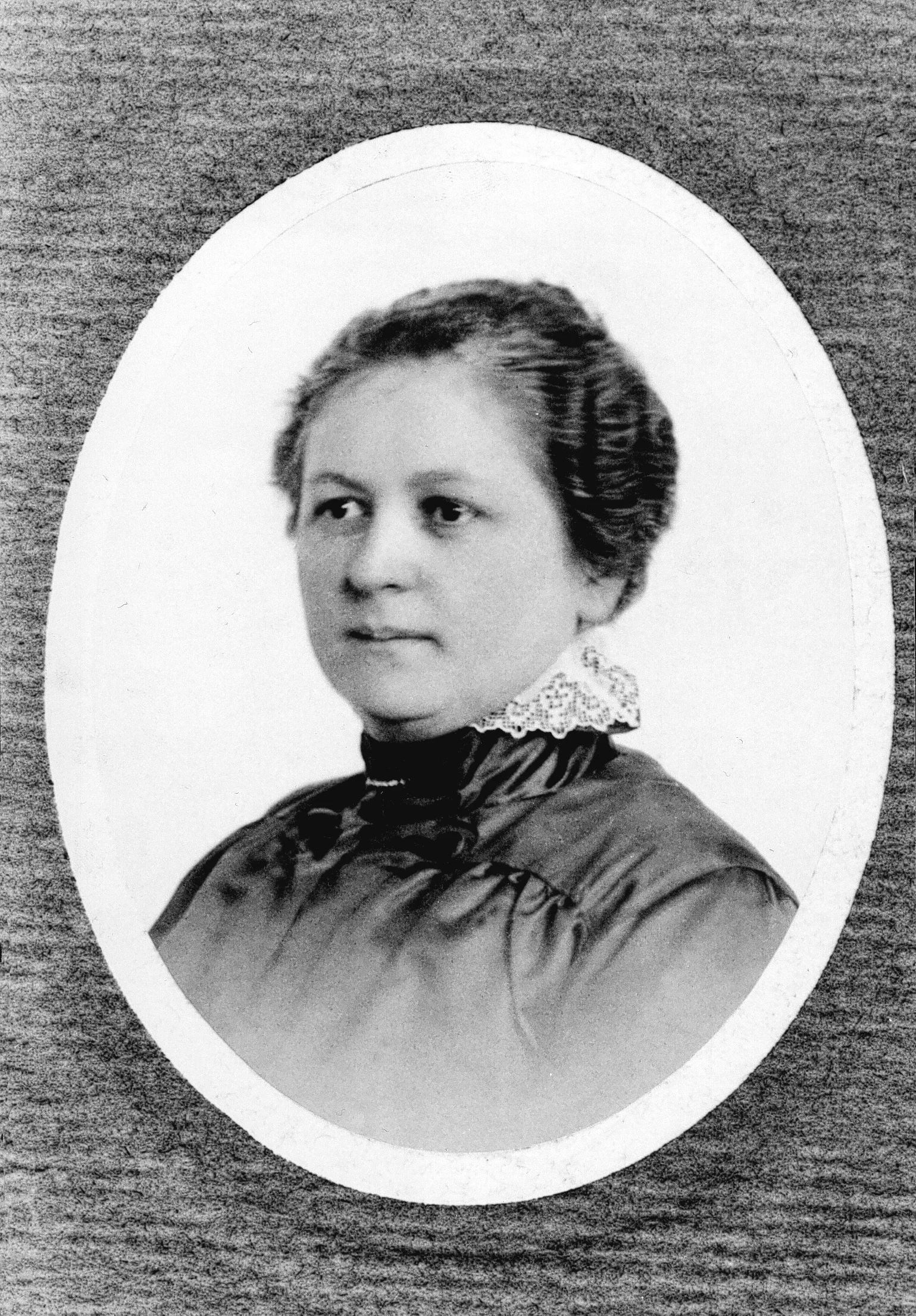
Did Melitta Bentz really "invent" the paper filter? Not quite. Blotting paper in a metal cone was described as early as the 1780s, and paper filter bags existed before 1894. Even The World Atlas of Coffee says the invention is "credited" to her. What she did create was the first commercial paper coffee filter and a patented system around it, sold by a company that still exists.
From a flat disc to the cone: how Melitta shaped the modern dripper
During World War I, Hugo and Willy were drafted. Metals went to Zeppelin construction, paper was rationed, and the British blockade made coffee imports extremely difficult. Melitta's brother, Paul Liebscher, helped keep the business afloat.
In 1923, Willy Bentz became co-owner and sales grew significantly. In 1929, the company moved from Dresden to Minden, where the plant is still in use.
Why a cone?
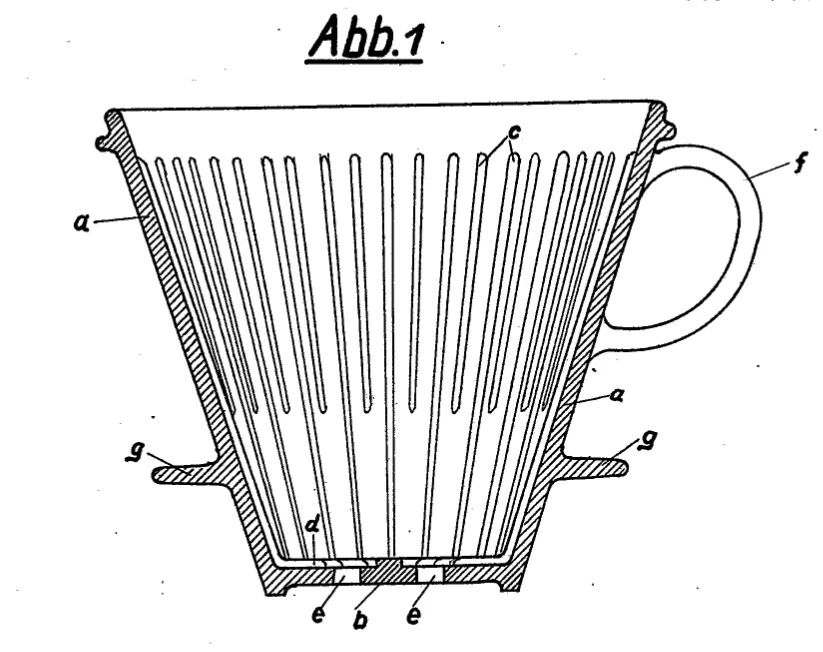
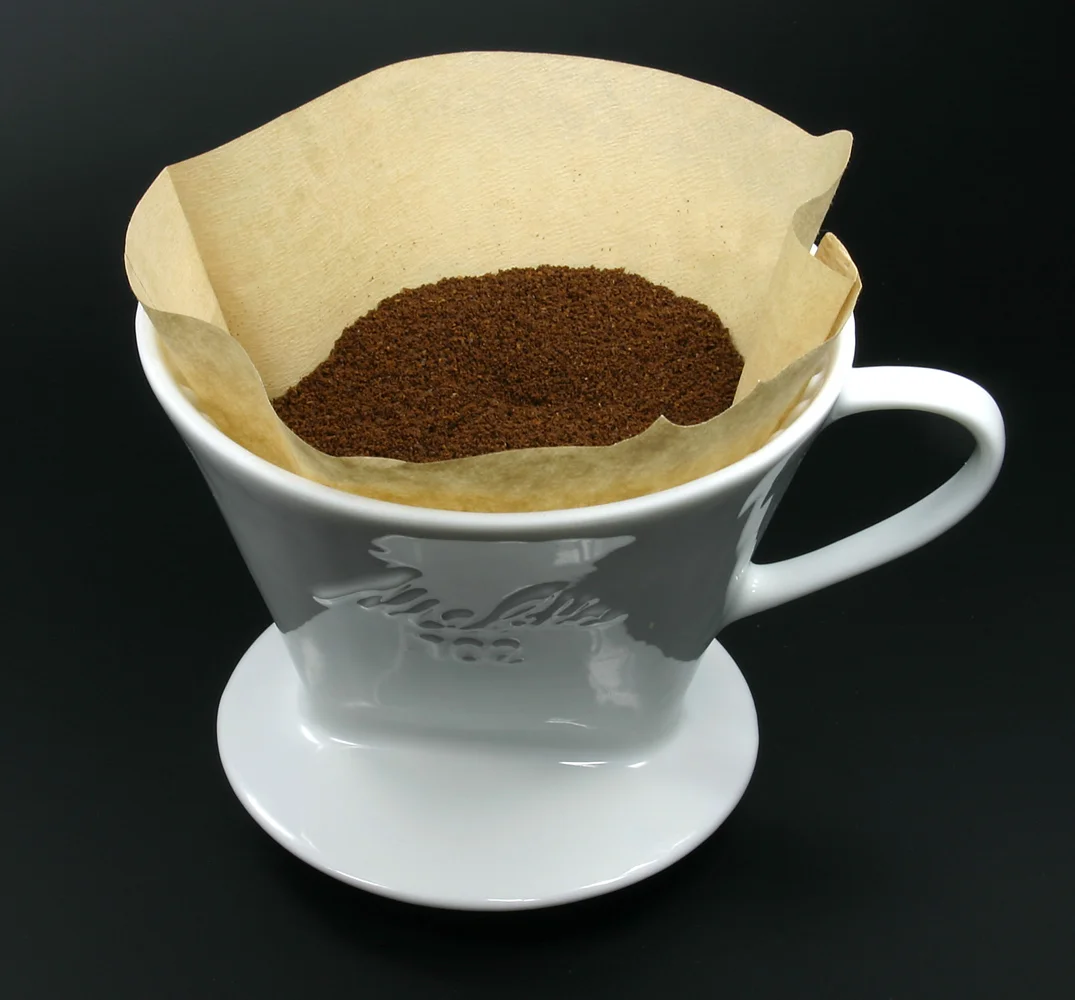
In the early 1930s, a Berlin firm made a conical paper "Blitz-Filter", and a Göttingen aluminium works built a cone filter. Melitta bought the rights to the Göttingen patent. In 1932, it launched the Schnell-Filter ("quick filter"), a cone-shaped holder in porcelain or metal.
A tapered, ribbed cone gives a larger filtration area and better extraction. The paper Filtertüte ("filter bag") followed: patented in 1935, it reached shops in 1936 or 1937. Melitta took over the Blitz-Filter maker in 1936, and its holders got a slot-shaped bottom better suited to the bags.
War, a social founder and the "1×" system
In 1932, Melitta and Hugo Bentz stepped back and handed control to their children. She still pushed for better working conditions: a five-day week, three weeks of holiday and a Christmas bonus for staff. In 1938, she founded a social fund for employees, Melitta Aid.
During World War II, the company paused filter production to make military supplies for the Nazi regime, as a "National Socialist model plant". Melitta Bentz died in Porta Westfalica on 29 June 1950, aged 77.
With the first cones, you had to pour several times and guess the amount of water. In the 1960s, Melitta created the "1×" system (1×2, 1×4, 1×6, 1×10). Each size holds the whole dose of water in one pour, apart from the bloom.
All sizes share the same geometry, so the bags fit holders of different sizes. In the US, the #4 filter is close to the Melitta 1×4.
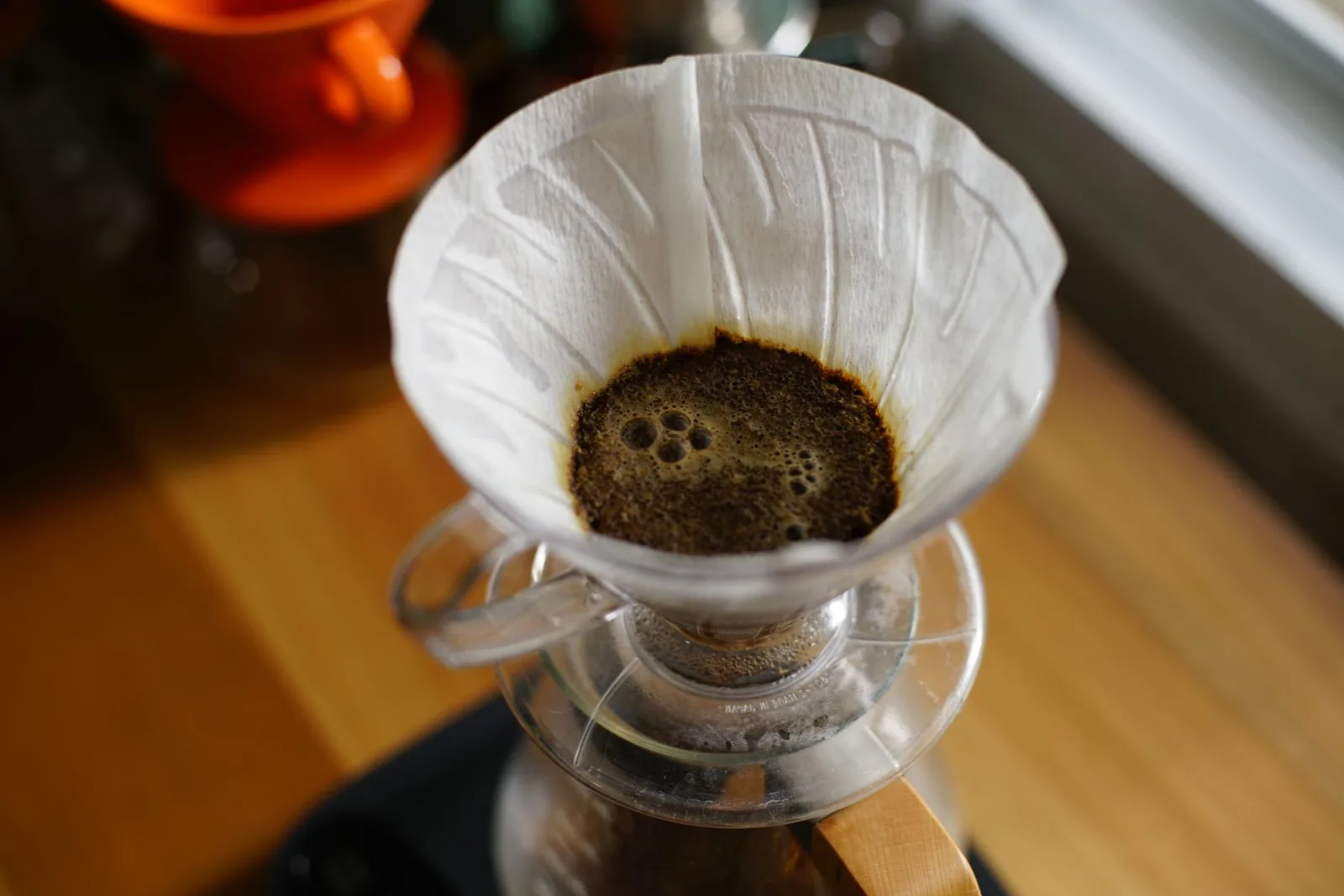
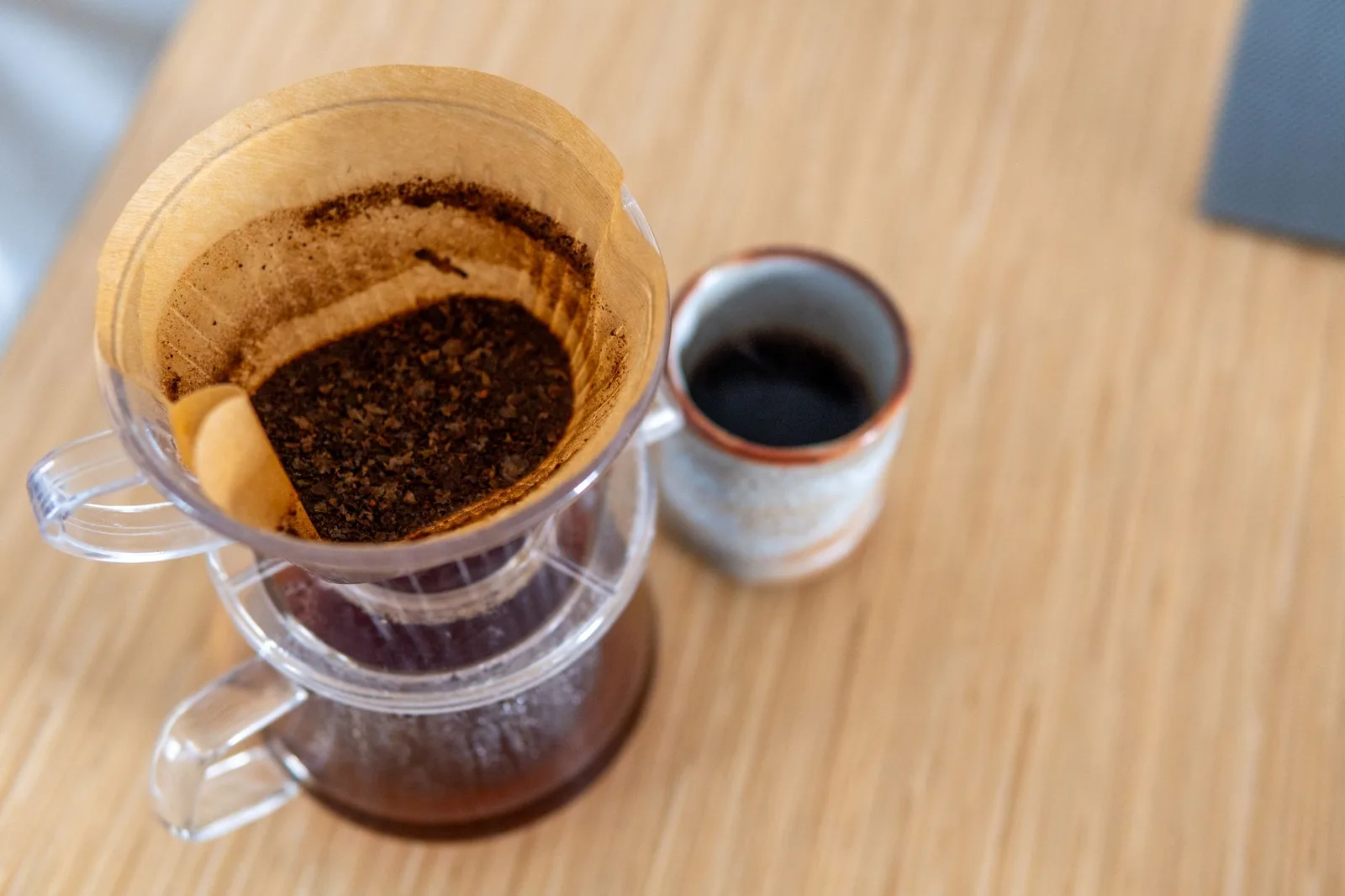
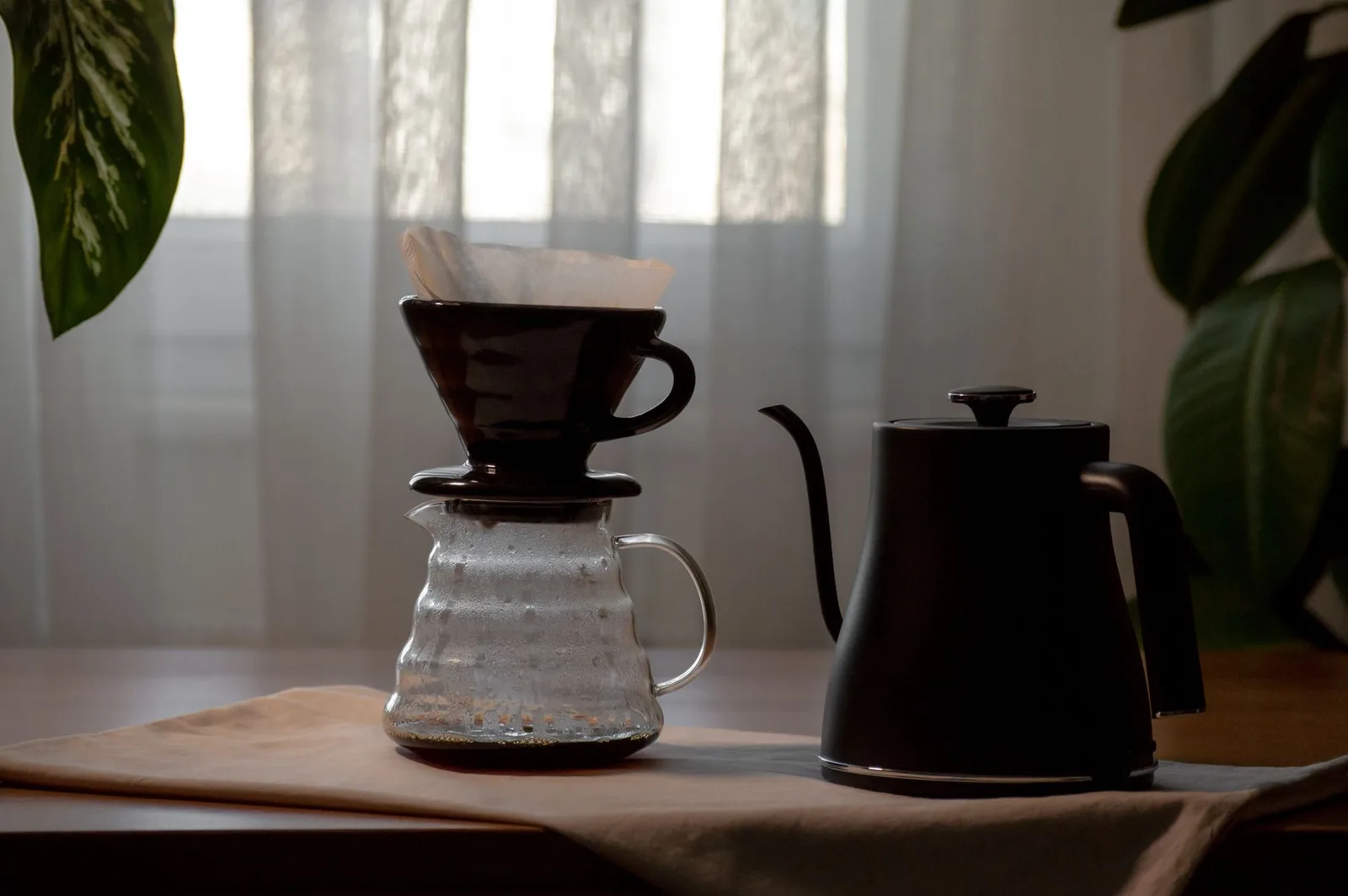
Later cone brewers kept paper. The Chemex, introduced in 1941, uses paper 20 to 30 percent thicker than regular filters. The Hario V60, released in 2004, has a 60° cone, spiral ribs and a single large hole.
Paper, metal or cloth: what changes in your cup?
All these brewers work by percolation. Water passes through a bed of coffee, and a material (paper, cloth or fine metal mesh) holds back the grounds. That material shapes the texture and the clarity of the cup.
Paper: the clearest cup
Filter paper weighs about 100 g/m². Its fibres are about 20 micrometres wide and let through only particles smaller than about 10 to 15 micrometres. Paper holds back all the suspended material and the oils.
The result is a clear, clean cup, often with a reddish hue. Coffee brewed through paper is said to taste a little fruitier than coffee from permanent filters.
Paper also traps oily compounds called diterpenes: cafestol and kahweol. These compounds can raise cholesterol and LDL, and they are absent from paper-filtered coffee. Their effect on cholesterol in unfiltered brews is marginal, but it has helped paper win favour over boiled coffee.
A 2020 study in the European Journal of Preventive Cardiology linked unfiltered coffee with higher mortality than filtered coffee. Filtered coffee, in turn, was linked with lower mortality than no coffee at all.
Metal: more body, a little silt
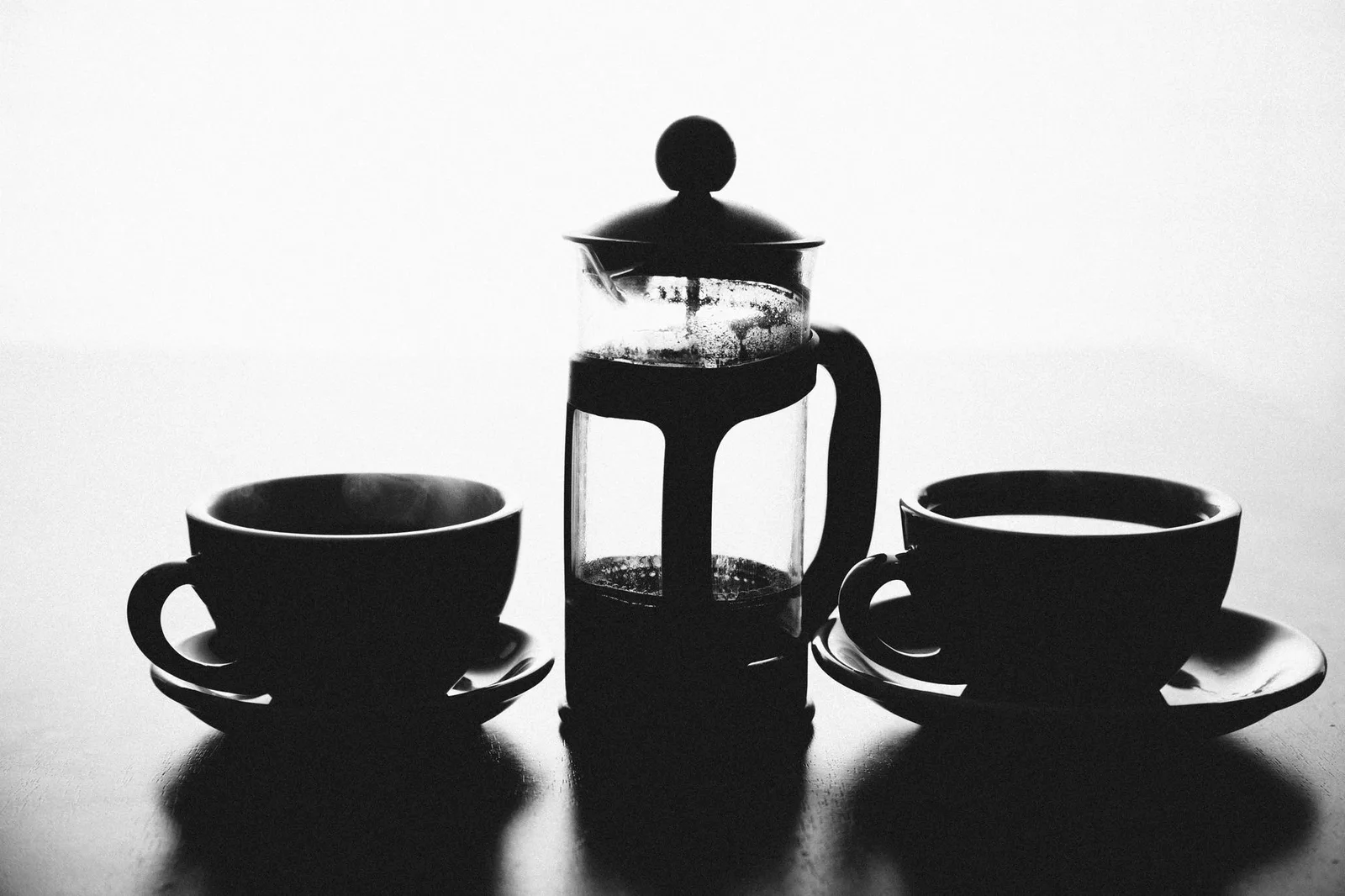
A metal filter only stops the larger pieces of coffee. Its holes have a fixed size and let through liquid, fine sediment and coffee oils. The cup looks a little cloudy, with some silt at the bottom, but it gains body. The French press, Vietnamese iced coffee and Indian filter coffee all rely on permanent metal filters.
Cloth: the middle way
Cloth, usually cotton, is the forerunner of the paper filter. It holds back the coffee particles like paper but lets some oil through. The cup is very clean, with a richer, fuller mouthfeel.
This is "sock" or "nel" brewing. The bolsita of the Costa Rican chorreador is a cloth filter too.
The filter also sets the pace. Heavy paper, cloth and metal filters with very small holes slow down brewing, which can raise extraction. But a very efficient filter clogs early and resists the flow. A good filter strikes a balance between catching particles and letting water through.
Paper taste, rinsing and care
Paper can lend a papery taste. Rinsing the filter with hot water before adding the coffee helps. If you still taste paper, the filter was probably not wet enough, or the rinse was too short. If it persists, a metal mesh cone is an alternative.
The colour matters too. Unbleached brown papers usually give a more noticeable paper taste than bleached white ones.
Brown filters have an environmental logic, though. Melitta introduced its unbleached Natural Brown range in 1989, to keep bleaching by-products out of the environment. In 1992, it developed an oxygen-bleaching process to make white paper without chlorine. Since 1998, Melitta has used up to 60% bamboo in its filters.
Cloth asks for more care. Paper gives you a clean filter for every brew; cloth needs care between uses. Rinse it in hot water right after use, without soap, then dry it quickly or keep it wet.
For daily use, store it in water in the fridge. For long breaks, freeze it wet, knowing that repeated freezing wears it out faster. A badly stored cloth smells and taints the coffee.
Metal filters last for years if you wash them regularly. Otherwise, oils build up and turn rancid.
Anecdotes from the history of the filter
A blotter already in 1782
In 1782, the encyclopedist Johann Georg Krünitz described a then-new way of making coffee: blotting paper in a tinned metal cone. His entry "Kaffe", in a volume printed in 1784, recommends white blotting or printing paper, new each time, instead of linen. It already calls filtering "unquestionably the best" way to make coffee. A century later, in 1885, a writer had to warn readers against using old wallpaper as coffee filters.
Red and green against the copycats
Imitations of Melitta's filter appeared in the early 1920s. In 1925, the company chose red and green packaging to stand out, and it still uses those colours. The first Melitta lettering followed in 1932, for the same reason.
A porcelain cup filter against paper
Not everyone liked paper. Rosenthal advertised a porcelain "Tassenfilter" with a double-slit sieve. Its pitch: no more filter paper, presented as harmful to the coffee's aroma.
From a son's notebook to your V60
The paper filter pushed households away from the bitter electric percolator. The electric filter coffee machine, credited to the German company Wigomat, finished the job. Today, roughly 70 to 80 percent of the world's coffee passes through a filter, made of paper or metal rather than the original fabric.
The company born in a Dresden kitchen is still controlled by Melitta Bentz's grandchildren. Based in Minden, where the company moved in 1929, the Melitta Group sells filter papers, coffee and coffee machines. In 2019, its turnover rose 10 percent to almost 1.7 billion euros, with 5,654 employees.
Her legacy is also on your counter. The ribbed cone of the 1930s lives on in modern drippers, and the Chemex and V60 still rely on paper. A US #4 bag remains a near twin of the Melitta 1×4. Even the red and green packaging, chosen in 1925 against copycats, is still in use.
Every time you drop a paper filter into a dripper, you repeat her idea. A disposable sheet holds back the grounds and the oils, then goes in the bin. Choose paper for clarity, metal for body, cloth for a bit of both. And with paper, never skip the rinse.