
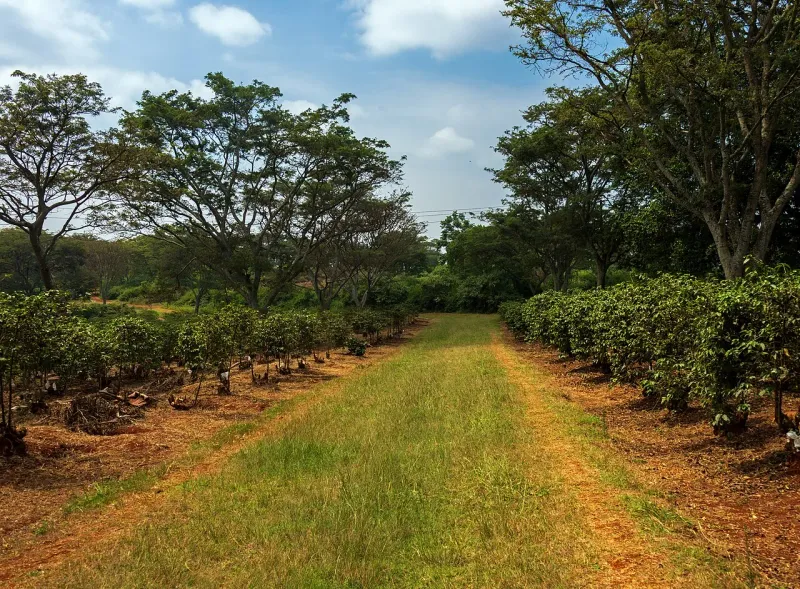

Kenyan coffee has long been sold on the size of its beans. A national project now wants to describe it by what ends up in the cup. On July 16, 2026, FAO Kenya announced a National Coffee Flavor Map, fed by data gathered at the Kenya Coffee Flavor & Origin Expo in Nairobi. The Expo runs from November 14 to 16, 2026, and on its last day, November 16, the blind cupping is still under way.
The plan: cup about 500 coffees without knowing where they come from. Then link each one to its region, variety and growing conditions. No results are out yet: the atlas is due in 2027.
What is the Kenya Coffee Flavor Map?
The project goes by the Kenya Coffee Flavor Map. The finished publication will be the Kenya Coffee Flavor Atlas, also called the National Coffee Flavor Map.
Why does Kenya need one? Its coffee is known worldwide for its quality, yet it has long been sold mainly on bean size. Buyers now put more value on flavor, diversity and traceable origin. Data linking a cup to its origin, its farm conditions and its processing is still thin.
The map fills that gap by linking what cuppers taste with where the coffee grew, which variety it is and how it was processed. The aim: explain not just what each region tastes like, but why.
How are 500 Kenyan coffees cupped blind?
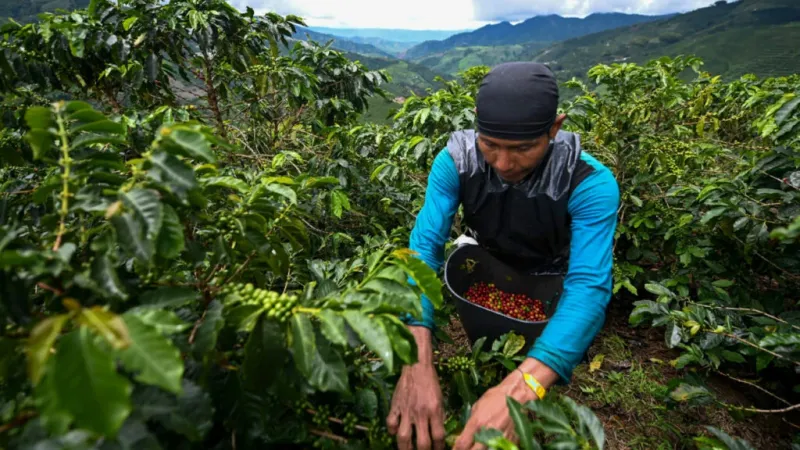
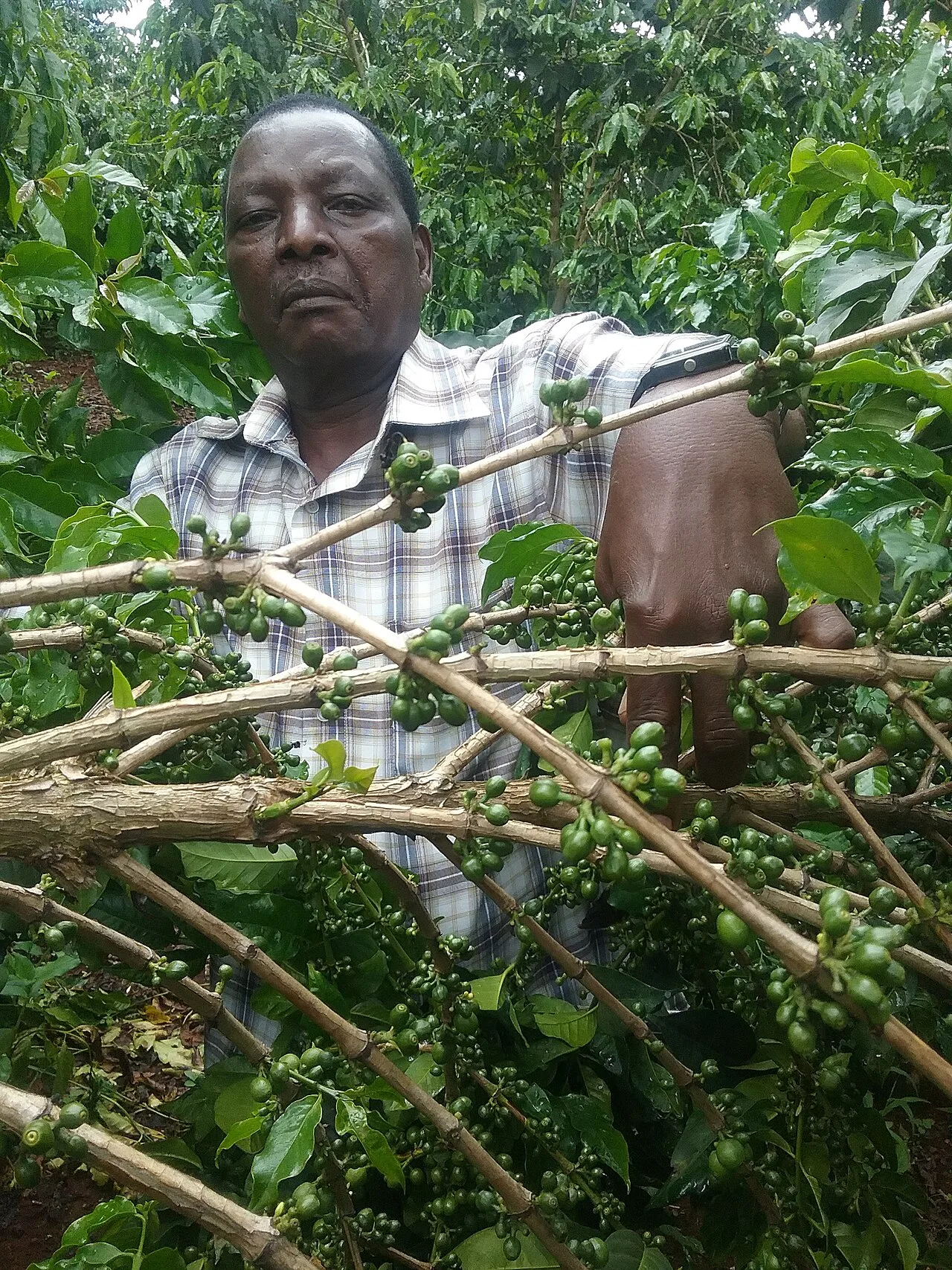
With the help of the Coffee Board of Kenya and partners in every producing region, the project has secured 500 samples from Kenya's coffee-growing counties. Each one is documented at source, then coded before it reaches the table.
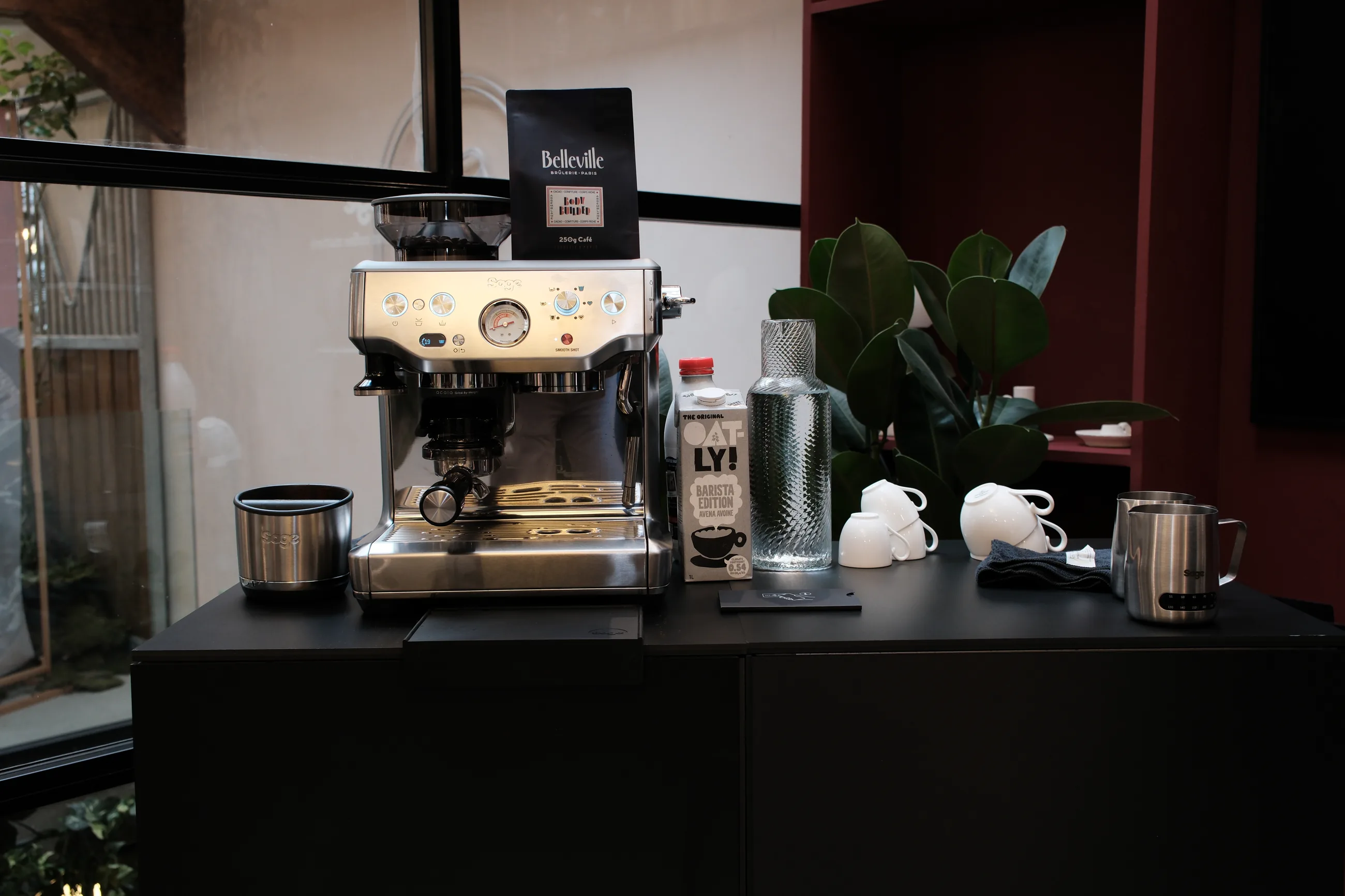
Certified cuppers from Kenya and abroad taste every sample blind. They score fragrance, aroma, flavor, acidity, body and aftertaste. The call for 300 trained specialty cuppers opened in July 2026, aimed at Kenya and key consumer markets.
Next to each cup, the team logs rainfall, altitude, soil, variety and processing method. The project describes the goal as "a reliable sensory record of every region." The sessions take place in the Flavor Pavilion on November 15 and 16.
Inside the Expo: who is behind it?
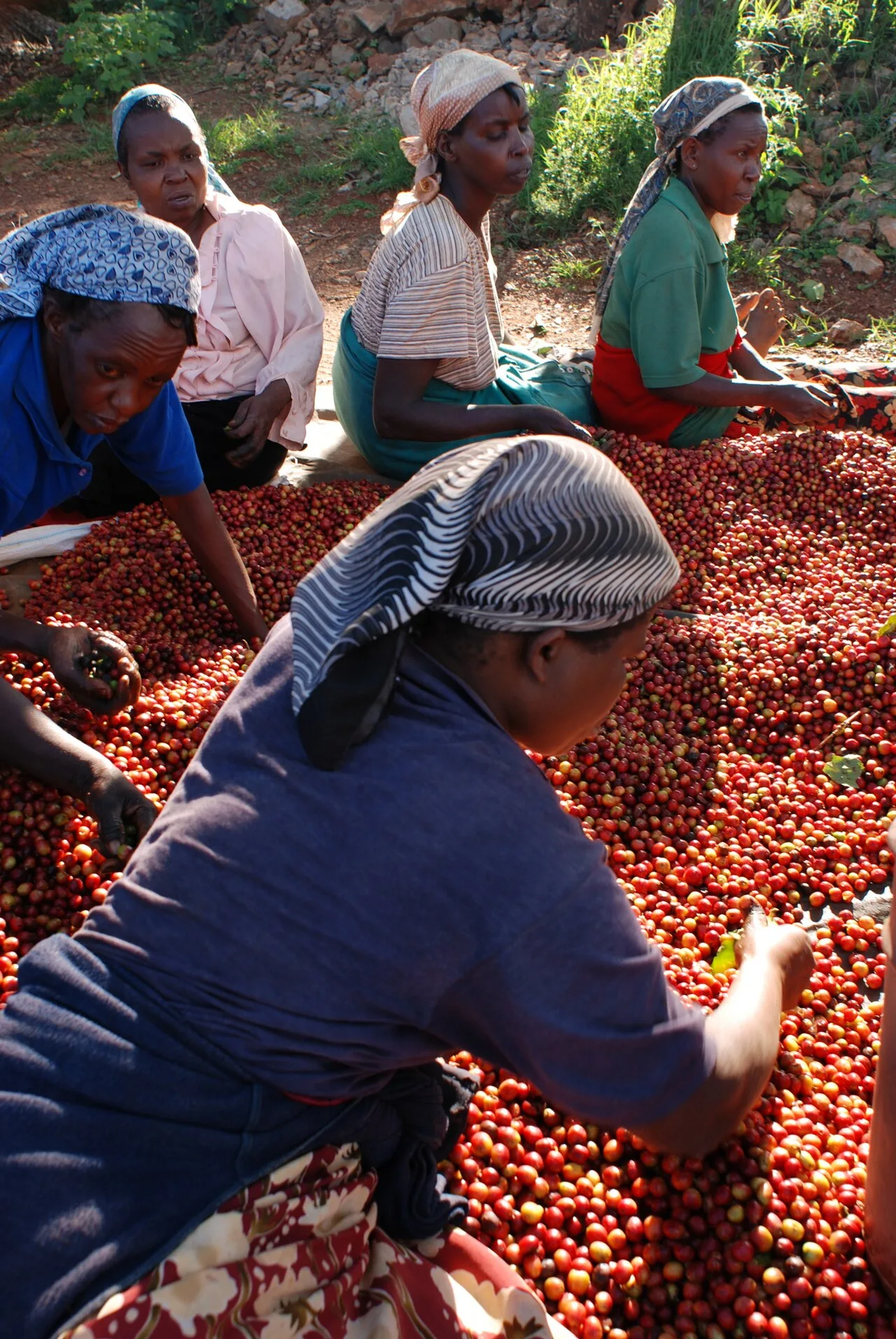
At the Shamba Events Center, day one hosted the Kenya Coffee Origin Conference, on traceability, climate resilience, market trends and quality. Days two and three belong to the cupping. An Exhibition and Trade Pavilion runs throughout, with priority booths for farmer cooperatives, who meet buyers and roasters directly.
Three bodies present the event. The Coffee Board of Kenya is the sector regulator, re-established by a 2023 law. The Kenya office of the UN food agency is due to present the findings of a climate and soil suitability study for arabica. The Kenya Coffee Platform is a forum where public and private coffee players tackle low production and climate change.
The technical partner is Torch Coffee Kenya. The coffee and education company works in 6 countries and has a team of 40+ Q-graders, certified specialty coffee tasters.
A regional answer to the flavor wheel
Coffee already has a shared tasting language. The Specialty Coffee Association's Coffee Taster's Flavor Wheel, revised in 2016, is built on the World Coffee Research Sensory Lexicon. Some regions now add their own tools, like the ASEAN Flavour Sphere for Southeast Asian coffees.
Torch ran regional flavor mapping exercises in Yunnan, China, from 2021 to 2024, and made the resulting maps public. Kenya's map applies the same idea to a whole producing country. "The map starts with curiosity about the coffees already here," says Marty Pollack, Torch Coffee's co-founder.
What are Kenya's regions and varieties known for so far?
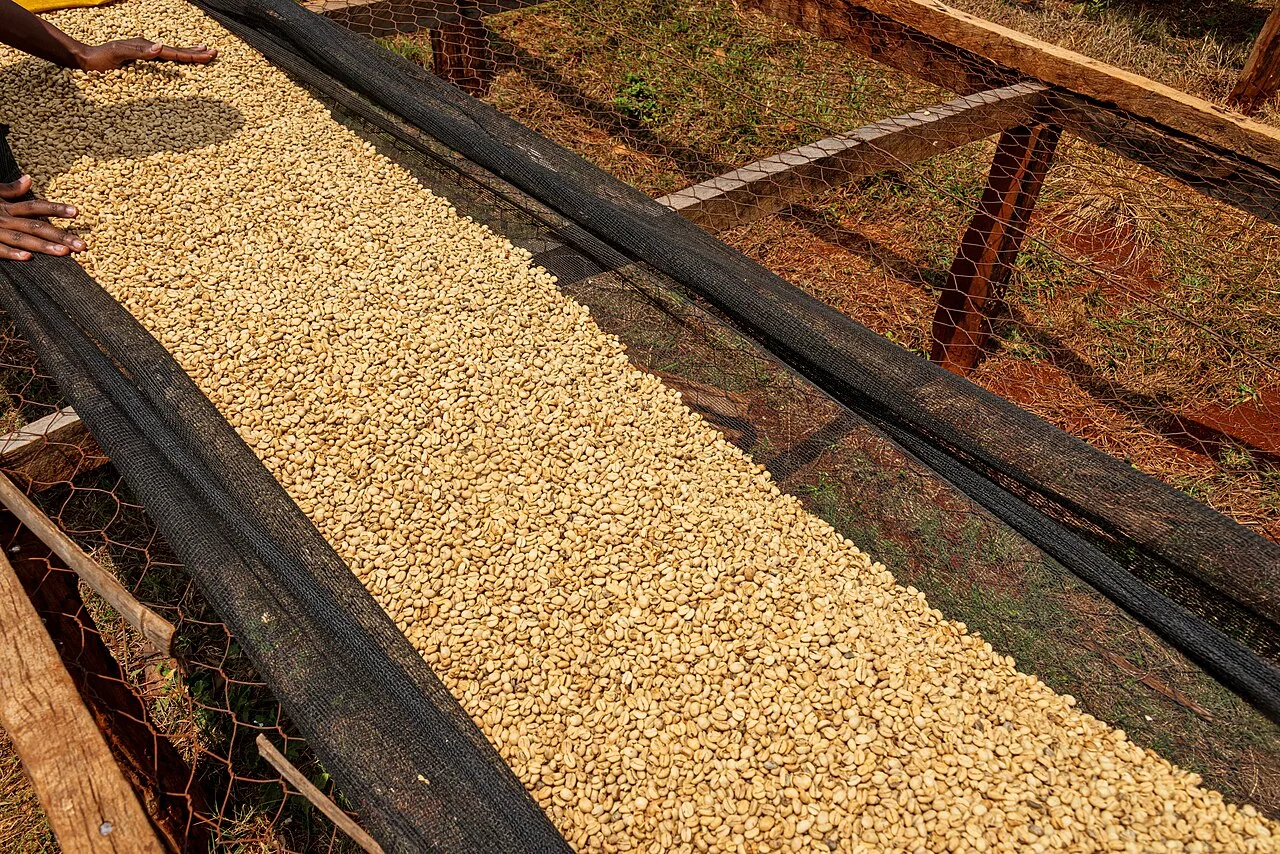
Kenyan coffees are famous for bright acidity, berry and citrus notes and a juicy texture. Most exported lots are washed, and an extra fermentation is thought to boost their fruit. Central Kenya, around Mount Kenya, grows most of the crop.
Nyeri (1,200 to 2,300 m) and Kirinyaga (1,300 to 1,900 m) are smallholder country. Farmers deliver cherries to washing stations called factories, each serving hundreds of producers.
An importer's cuppers who tasted Nyeri lots in 2018 noted white grape, caramel and lively fruit. Embu, on another side of Mount Kenya, leaned toward citrus, chocolate and apple. On Kenya's side of Mount Elgon, they found tropical, grapefruit, floral and tea-like notes.
SL28, selected in the 1930s by Scott Laboratories, is often linked to a blackcurrant note. SL34, a Bourbon selection, also shows distinct fruit. Both are prone to leaf rust.
Breeders answered with Ruiru 11, a resistant hybrid released in 1985. The newer Batian followed, and its cup quality is still debated.
Grades such as AA (beans over 7.22 mm) and AB sort coffee by size, not by cup. These profiles remain a reputation: the tasting notes above cover only three regions, and the differences between regions can be subtle. By logging altitude, soil, rain, variety and process for every cup, the atlas is built to show, county by county, how far those differences go.
From AA grades to flavor profiles: what could change by 2027
The finished atlas promises flavor profiles by region, maps and a sensory database, free to download. It is meant as a reference for farmers, traders, roasters and consumers.
For farmers and cooperatives, a documented cup means more visibility in specialty markets. Buyers get verified origin, flavor and climate data. For you, choosing a Kenyan coffee could one day start from the flavor you want, not from a size grade.
Nothing has been published yet, and no figure shows an effect on the prices paid to farmers. The sample and cupper counts vary from one document to another. The real test comes in 2027.
Going further
Coffee producing countries: Africa
Guide to African coffee: history, key producers (Ethiopia, Kenya, Uganda), arabica and robusta varieties, and the socio-economic importance of this crop.
Read the article →
Coffee Cultivation: Understanding Its Impact on the Cup
How soil, altitude, and processing methods shape coffee flavor - a guide to understanding specialty coffee cultivation and reading labels with confidence.
Read the article →