

Meet the Timemore C3 ESP Pro, a must-have for coffee lovers on the move. With its innovative folding crank and compact design, it's perfectly suited to travel. In this article, I share my experience along with an objective assessment of its performance. Dive into its features and see why it could become your go-to tool for enjoying great coffee, wherever you happen to be.
I recently bought the Timemore C3 ESP Pro grinder because of my frequent business trips and my growing use of travel coffee makers. Several very satisfied acquaintances had recommended it, and it quickly caught my interest. This article is not sponsored by Timemore; I bought the grinder on my own initiative, for personal use. My goal is to give you a review that is as accurate and objective as possible.
Timemore C3 ESP Pro Design
The Folding Crank
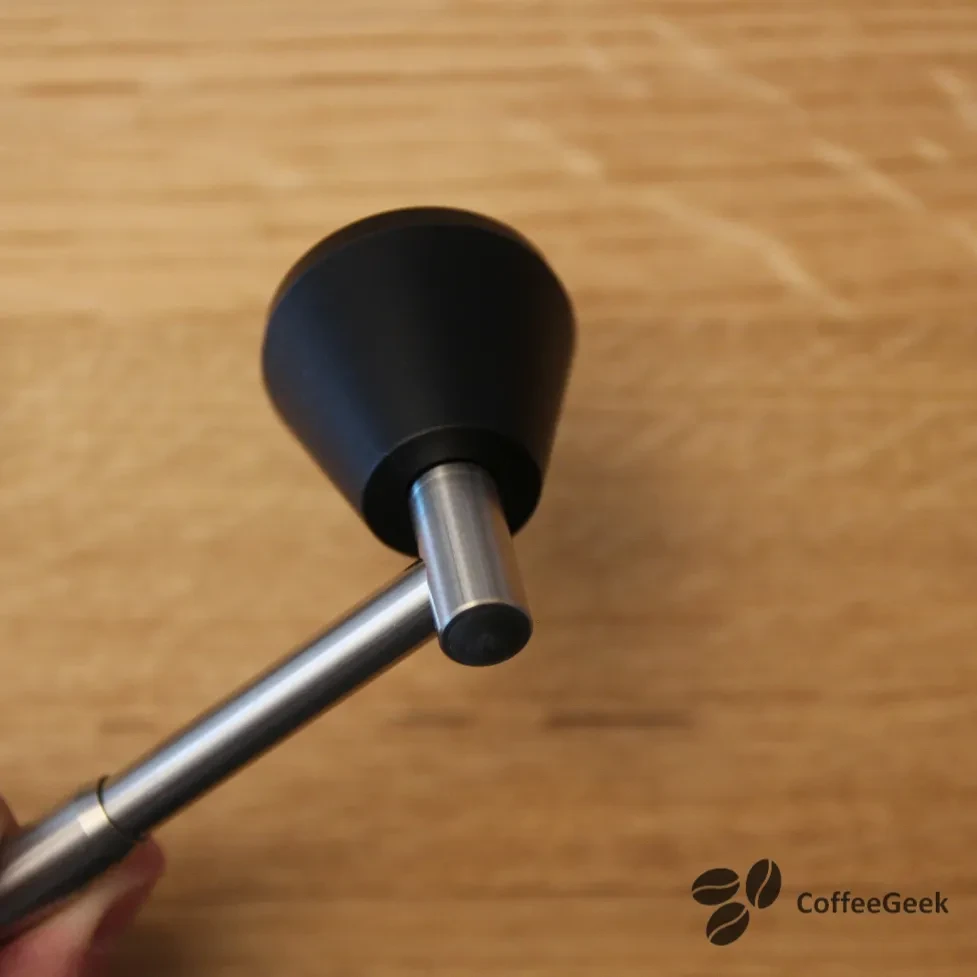
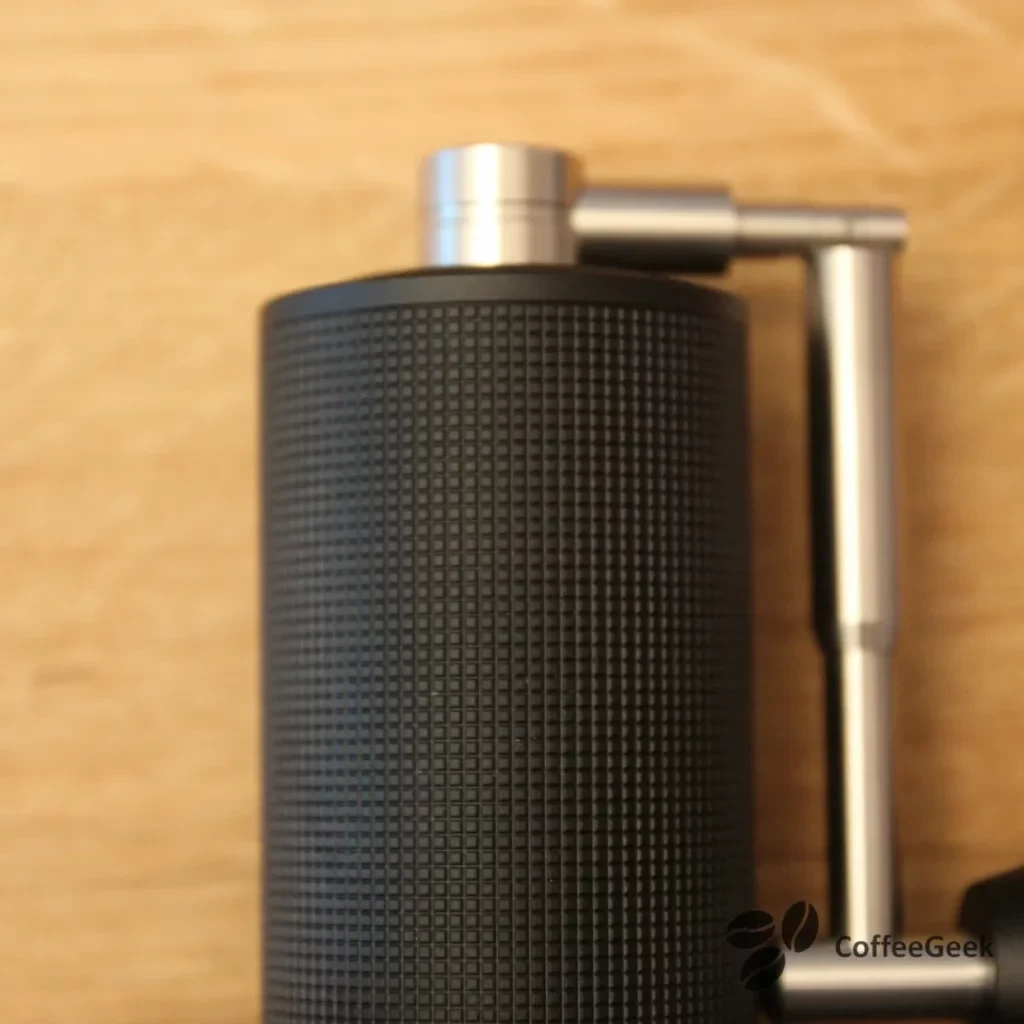
For a travel grinder, I quickly settled on the Timemore range because of its folding crank, a major selling point. Since the system is patented, I haven't found any other brand offering a similar solution. Some will point to 1Zpresso, which also offers a folding crank, but the difference lies in compactness: once folded, the 1Zpresso crank still takes up space, whereas on the Timemore, the crank sits perfectly flush against the grinder body.
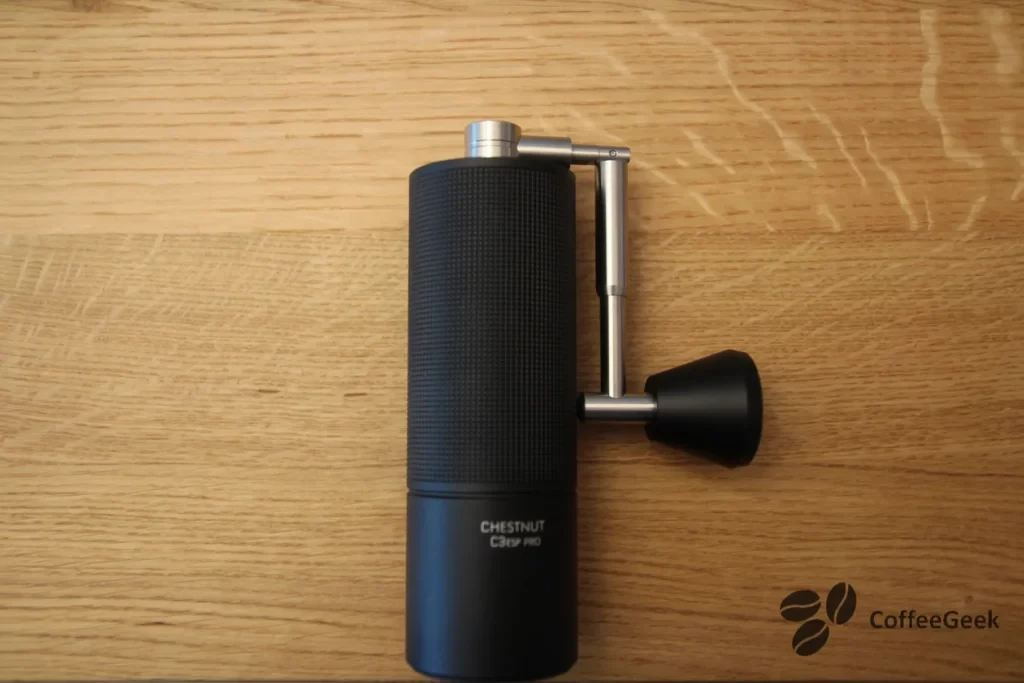
The crank is all metal (stainless steel) and attached to the aluminum cap. Despite its small size, the knob on the Timemore C3 ESP Pro offers an excellent grip and rides on a ball bearing, unlike the clip system used by competing brands such as 1Zpresso, Kingrinder or El Comandante C40. On top of exemplary build quality, this ensures the knob can't accidentally come off the crank.
When the crank is folded down, a rubber stopper keeps its metal part from touching the grinder body.
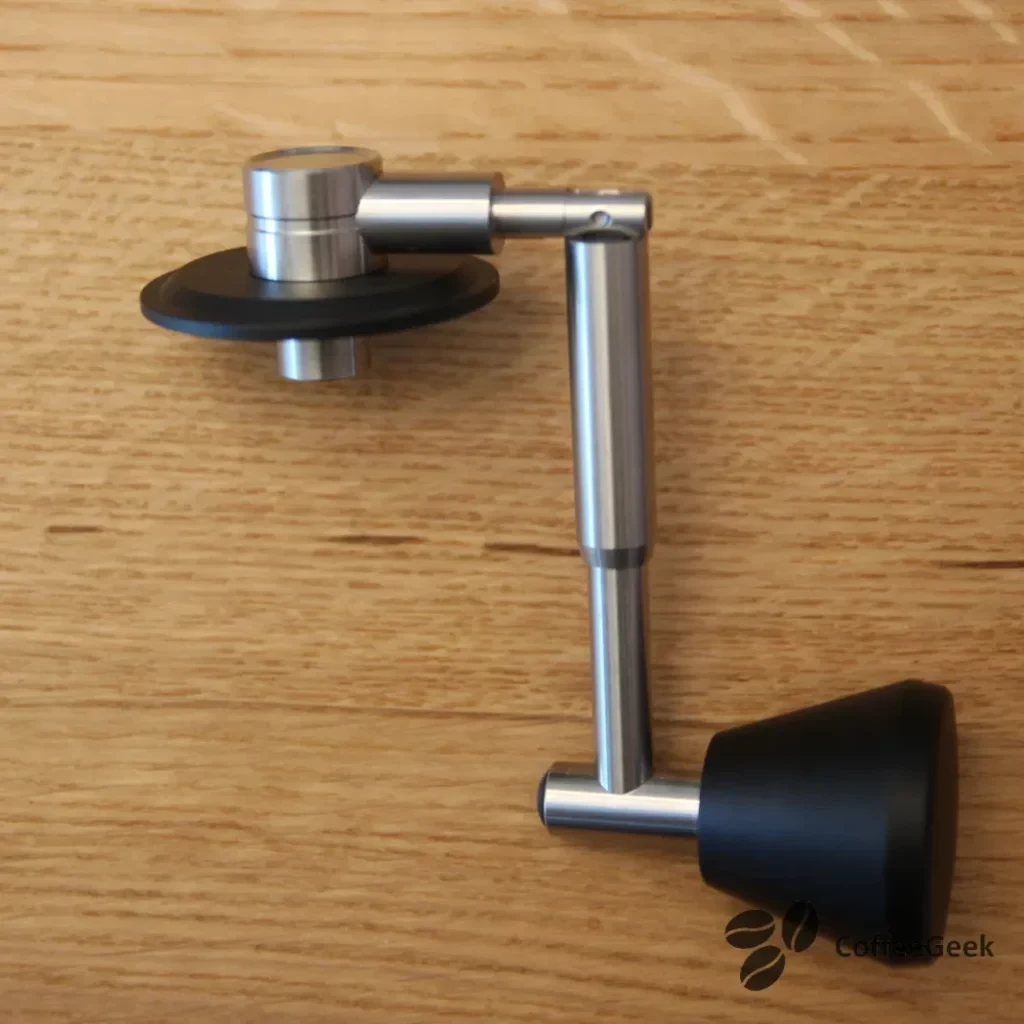
Note that at Timemore, the "Pro" designation means the grinder has a folding crank. There is in fact another version of this grinder, the Timemore C3 ESP, sold at a lower price but without a folding crank.
Knob Attachment and Grinder Body
Another important point worth highlighting about Timemore grinders is the knob attachment with a ball bearing. It ensures the knob spins smoothly and prevents it from being pulled off with a simple tug. Unlike other competing brands that use a clip system, the attachment here is much sturdier. With a clip attachment, there's a greater risk of the knob coming loose, and some users have had to contact customer service about this problem. So, a big plus for Timemore.
The Grinder Body
The grinder body is made entirely of aluminum. Unlike other brands that opt for a completely smooth body, which then needs a rubber ring to improve grip and keep the grinder from slipping, Timemore went with a grooved surface. Personally, I find the grip very comfortable, and thanks to this design, the grinder doesn't spin in my hand during use, despite the torque generated by grinding.
The Adjustment Dial
Unlike its big brother, the Timemore S3, the C3 ESP Pro's adjustment dial sits directly at the burrs.
While the Timemore C3/C3S models offer 12 clicks per rotation, the C3 ESP offers 30, similar to a grinder fitted with the "Red Clix" kit for the C40, which increases the number of available clicks.
The Timemore C3 ESP moves the burrs 23.3 µm per click.
Here are the recommended settings for each brewing method:
The setting reads as follows: the first number is the number of full rotations of the adjustment dial, and the second number is the mark to stop at after completing those full rotations. For example, a setting of 1.6 means one full rotation of the dial, then stopping at mark 6.
How to read positions
How to read positions: the X.Y.Z format indicates the number of complete turns (X), the position on the adjustment dial (Y), and the micro-adjustment in clicks (Z). For example, 1.4.2 means 1 complete turn + position 4 on the dial + 2 clicks of micro-adjustment.
These settings are indicative and may vary depending on your coffee and preferences.
The S2C600 Burr
Timemore's S2C600 burr is derived from the C2C800, once used in the now-discontinued Timemore Chestnut X. This new generation, the S2C600, is fitted to several grinders in the Timemore range, such as the Timemore S3 I reviewed a few months ago.
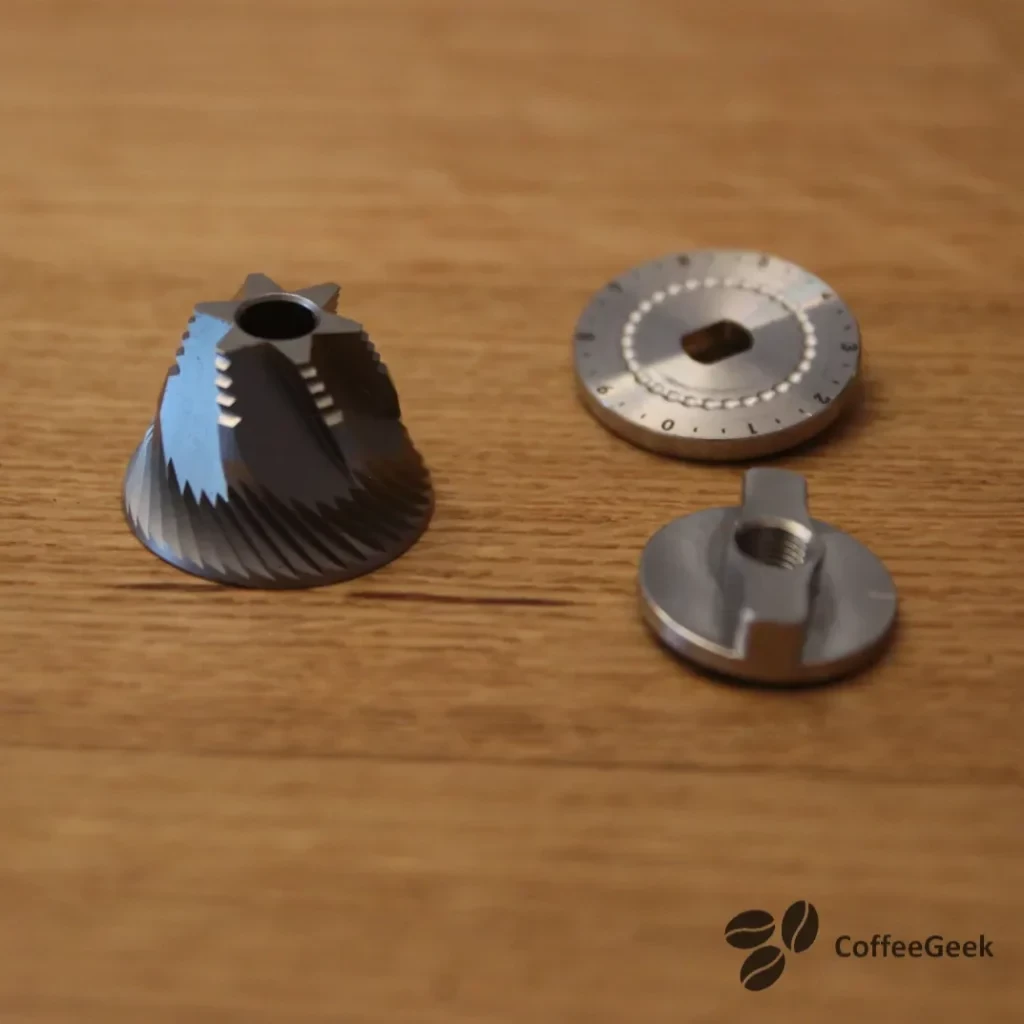
The Chestnut X burr had already impressed me with how evenly it ground. Timemore has made a few improvements, making the grind even more consistent with this new version.
The Catch Cup
In my experience, the quality of the catch cup often reflects the overall design and build quality of a grinder. For example, the Kinu Phoenix has a plastic catch cup that is too light, which makes the grinder unstable when it's set down on the countertop. The C40, for its part, has a ledge inside its catch cup, which causes coffee retention when you pour the grounds into the filter.
As for the Timemore, its catch cup has no inner ledge that could trap coffee. Its weight is also enough to stabilize the grinder by lowering its center of gravity. Unlike other models such as those from 1Zpresso, the catch cup is attached by screwing it on, which adds to its sturdiness.
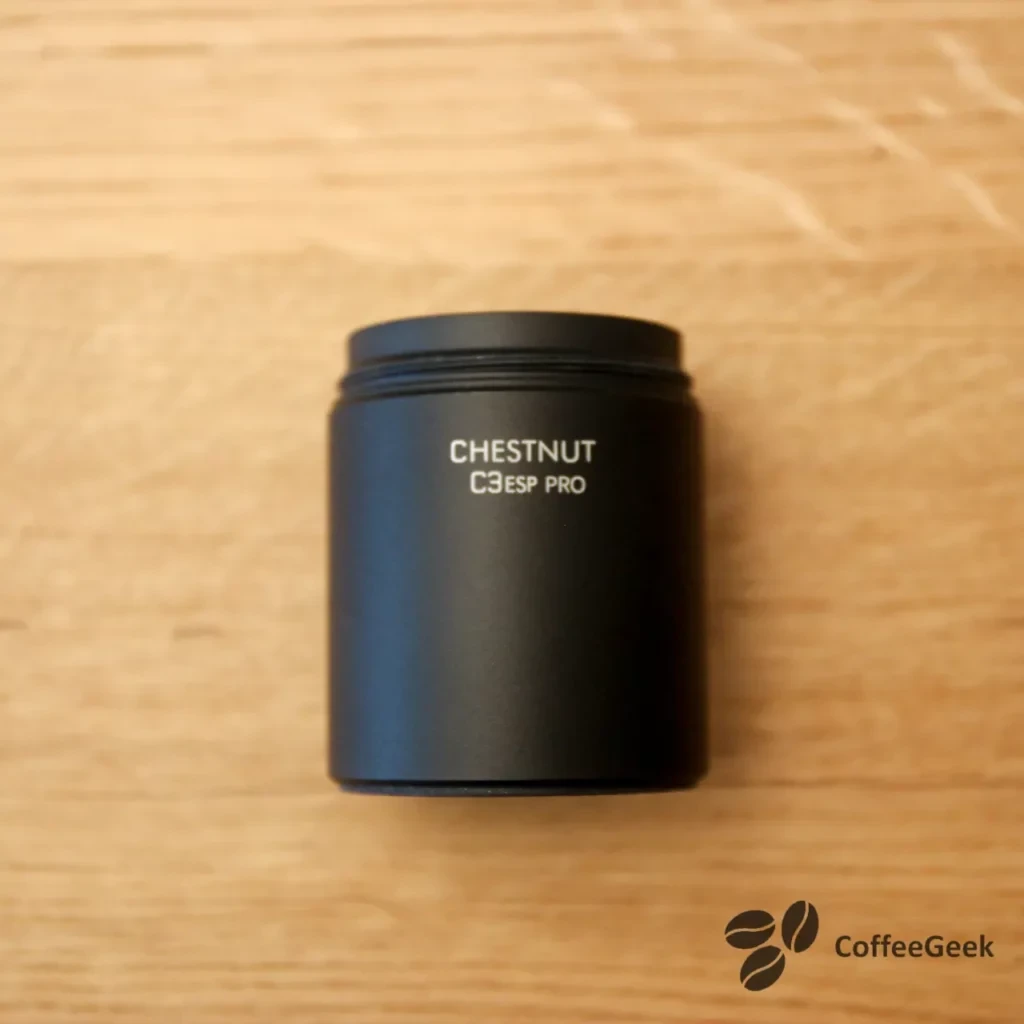
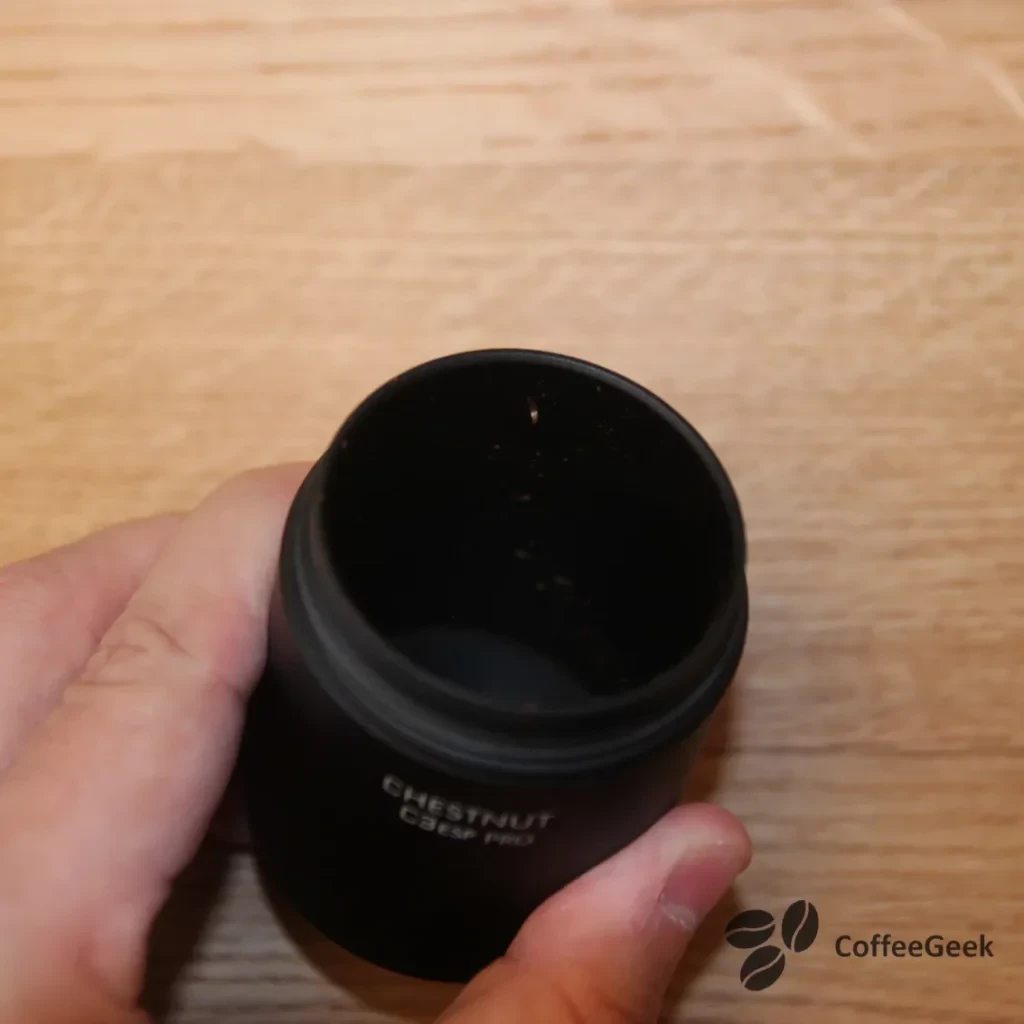
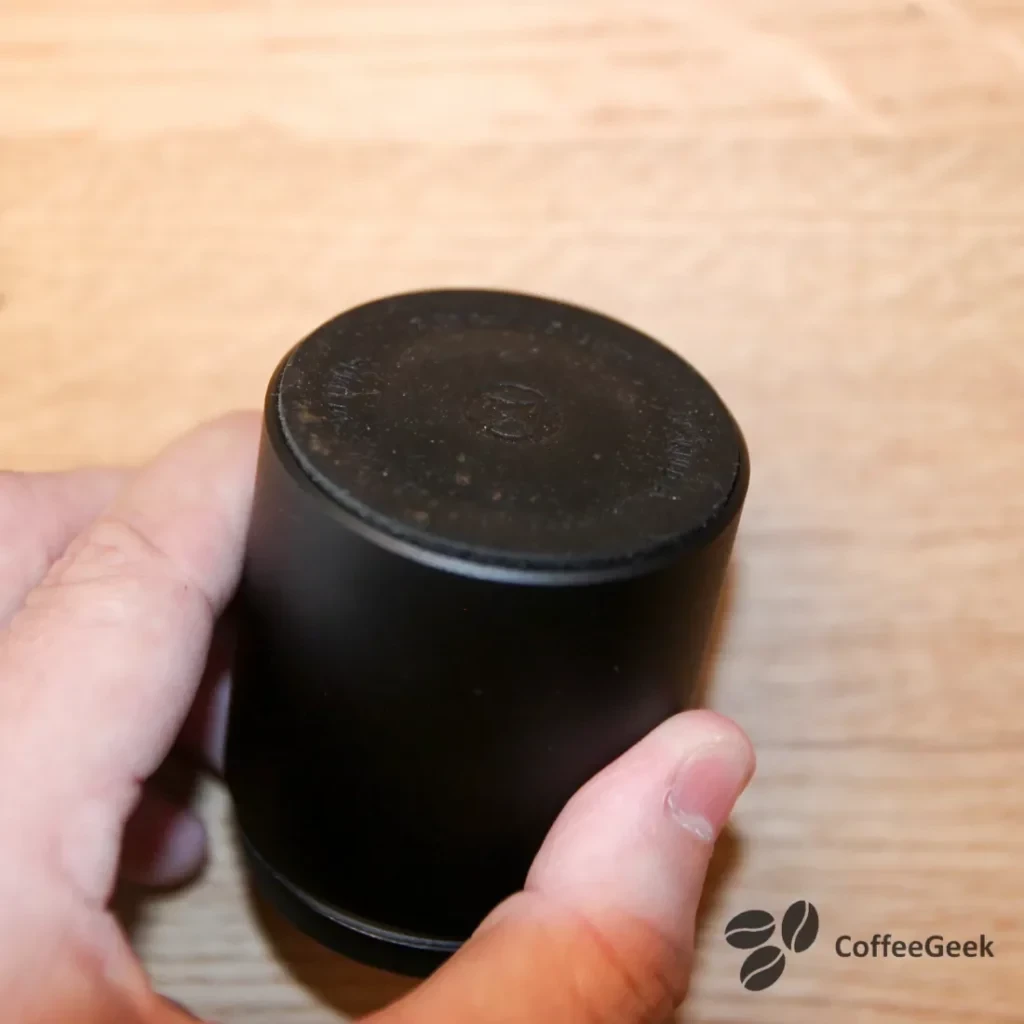
Finally, a rubber pad sits under the catch cup to protect the countertop, a welcome detail that shows the care put into the design.
Pulling Espresso with the Timemore C3 ESP Pro
Unlike the Timemore S3, which had deeply disappointed me for espresso, the Timemore C3 ESP Pro can produce quality espresso. Here's an example with a La Pavoni machine.
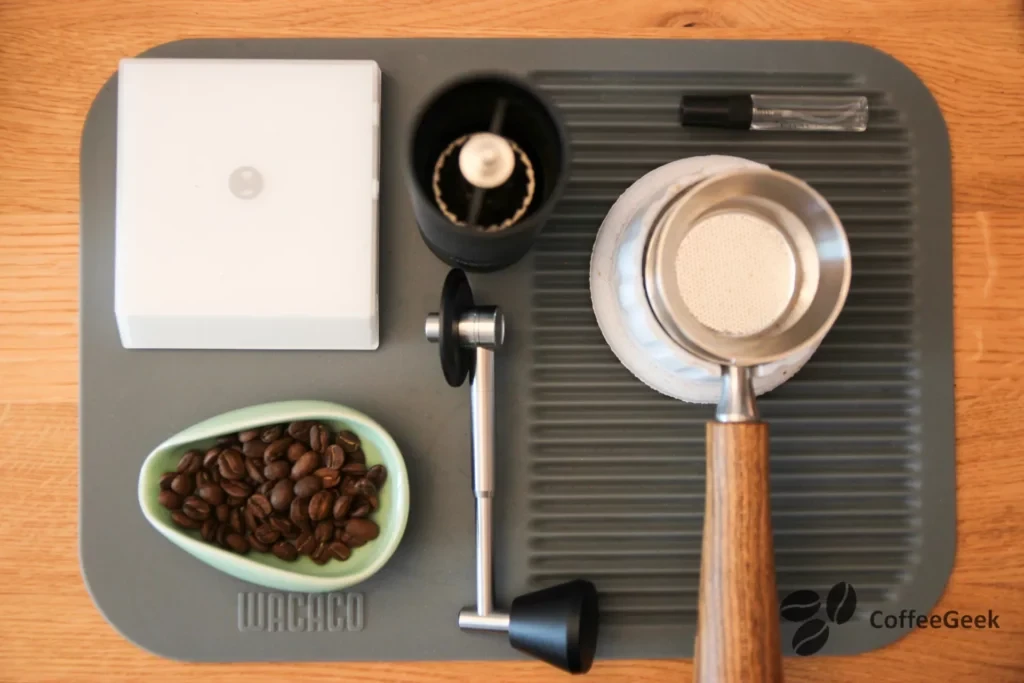
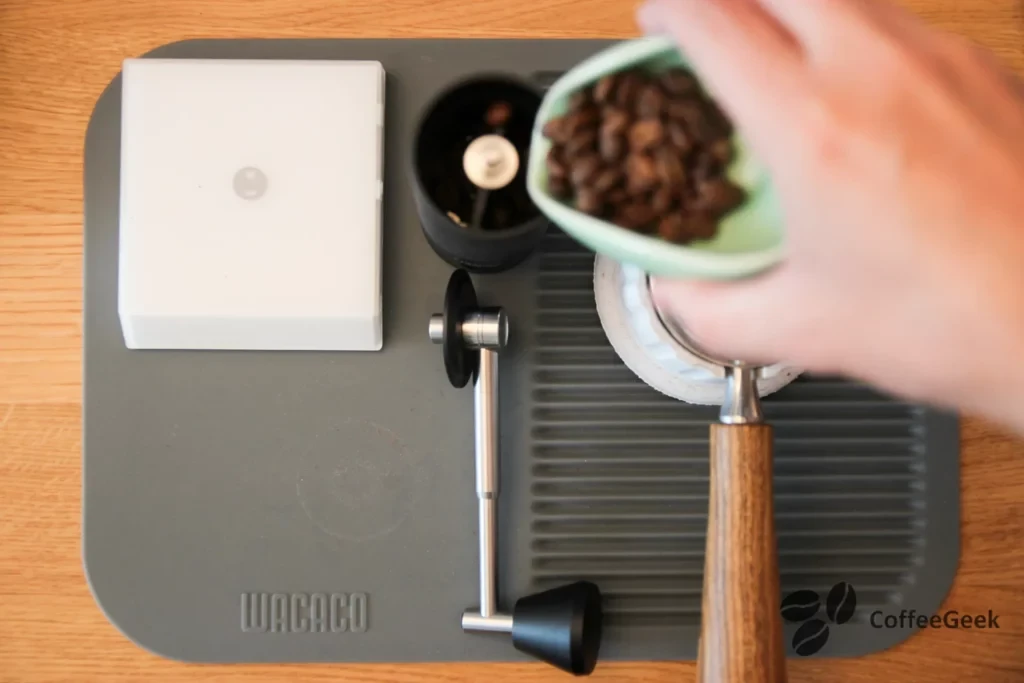
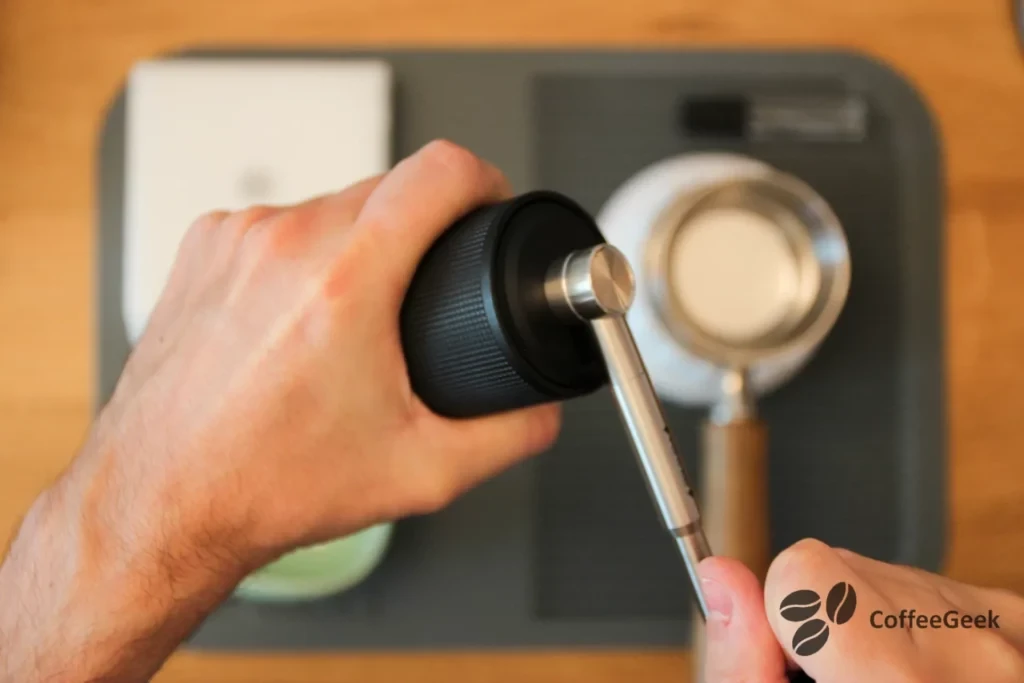
I weigh out 16 g of coffee, spray on a little water (the RDT technique, to reduce retention caused by static electricity), then grind it with the Timemore grinder.
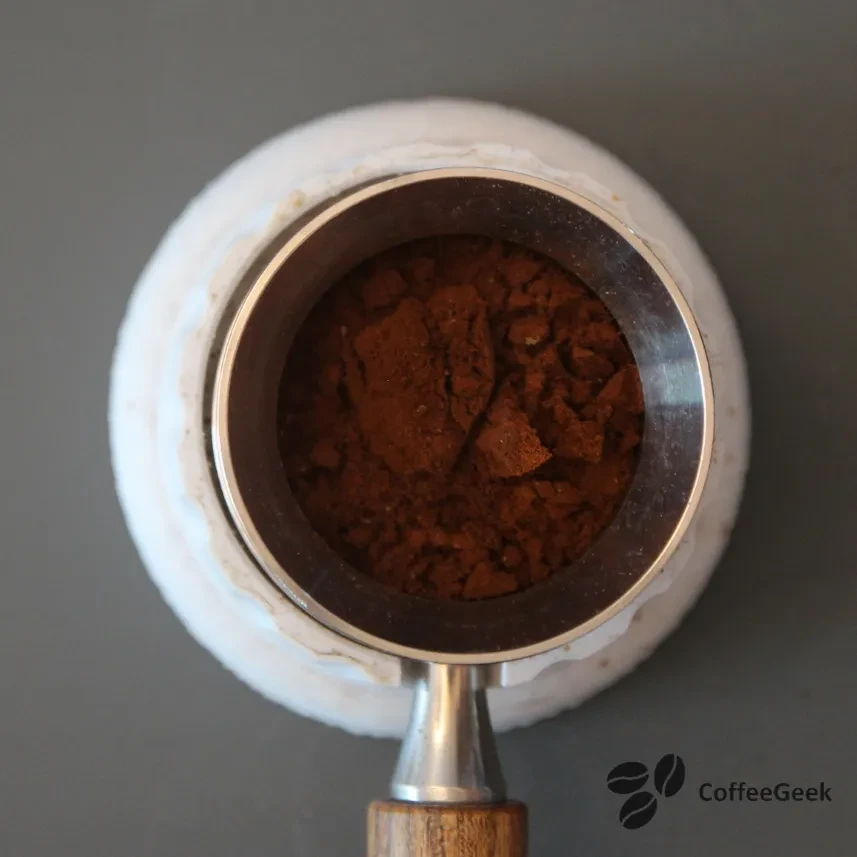
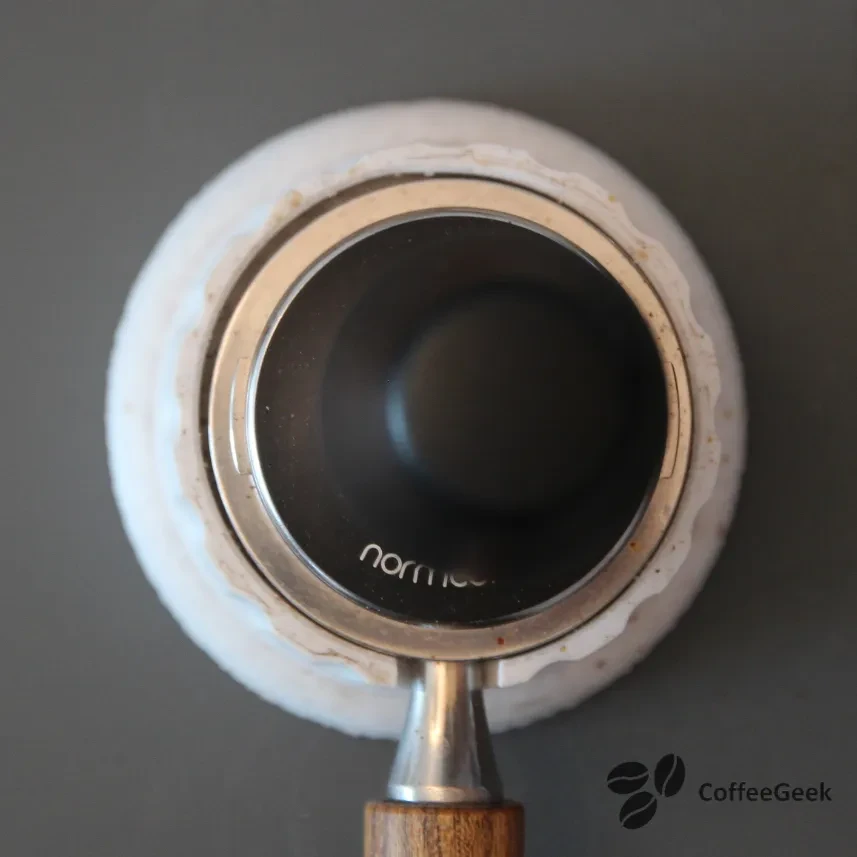
Coffee ground with the grinder to an espresso grind. Setting used: 0.5 (mark 5 counting from 0, with no full rotation first).
To avoid channeling, I break up the clumps and distribute the coffee evenly with my WDT tool.
Finally, I put a puck screen on top and pull the shot.
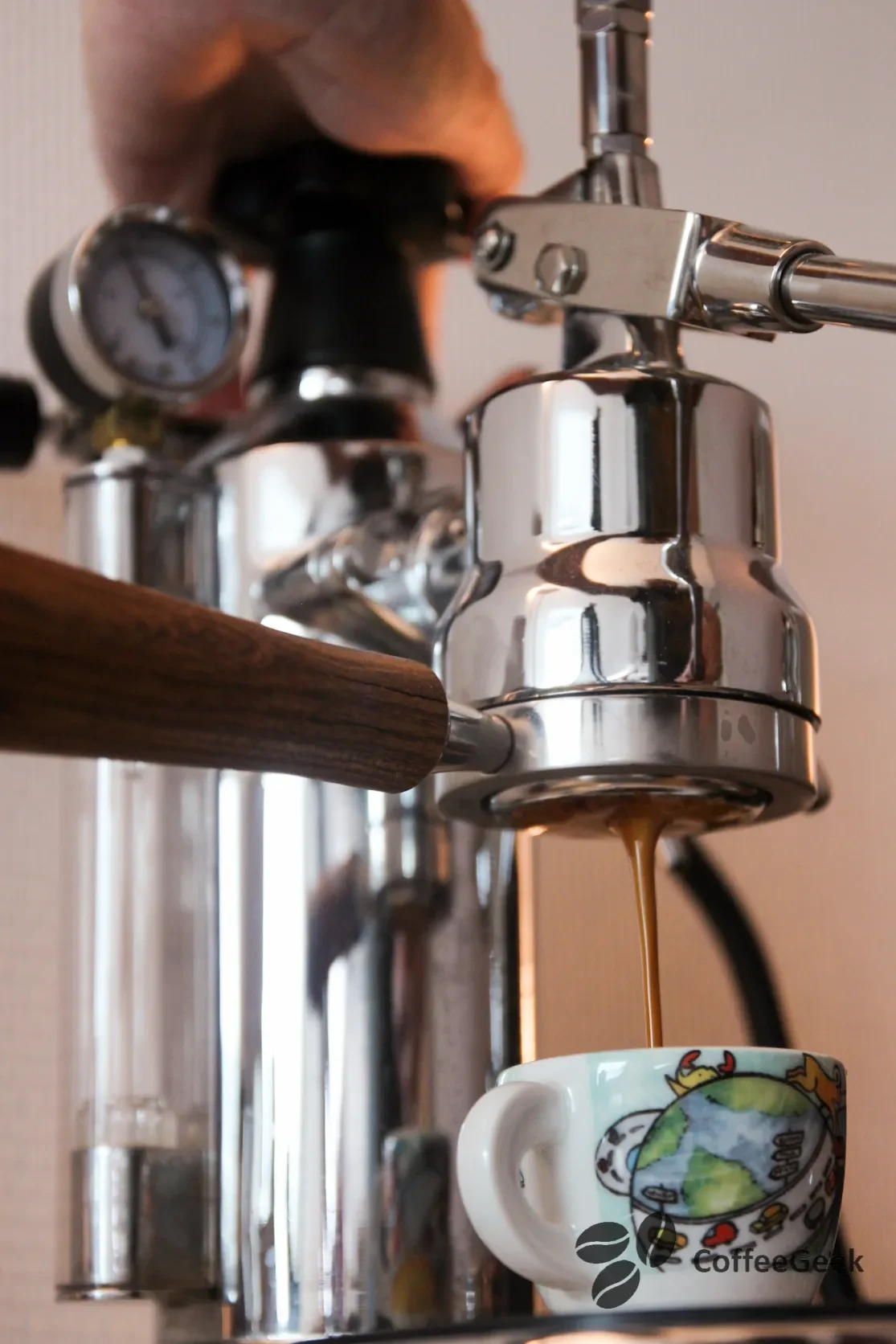
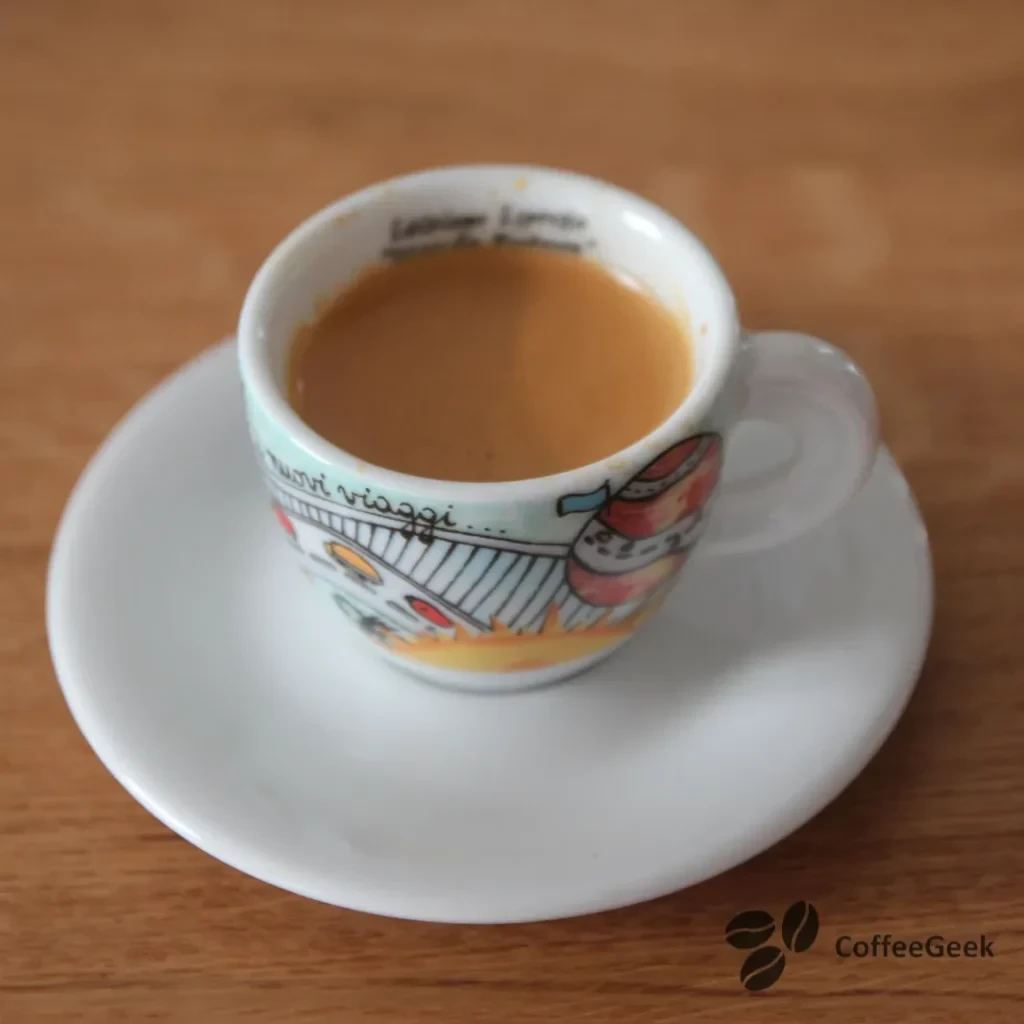
That said, even though you can make espresso with this grinder, the Timemore C3 ESP Pro isn't my first choice for espresso. The main reason is the burr size, 38 mm, which makes grinding take considerably longer than on grinders with larger burrs, such as the Kingrinder K6 or the more expensive 1Zpresso J-Ultra. Find the Timemore C3 ESP Pro grinder on Amazon
With the Timemore C3 ESP Pro, it takes me more than a minute to grind for an espresso, whereas with 47 or 48 mm burrs, that drops to about 40 seconds.
The Timemore C3 ESP Pro Excels on the Road
For me, Timemore has always excelled at brewing methods that call for a coarser grind, unlike competing brands such as 1Zpresso, which I find more geared toward espresso.
I can assure you that the grind from the Timemore is truly consistent, a testament to the brand's expertise. Whether for a V60 or with my travel coffee maker, the Pipamoka (the reason I bought this grinder), it's the perfect compromise for me.
The 38 mm burr is no problem at all for this type of brewing, since the grinder quickly produces a coarse grind.
Brewing Coffee with the Wacaco Pipamoka
These simple steps let you brew quality coffee quickly, even on the go.
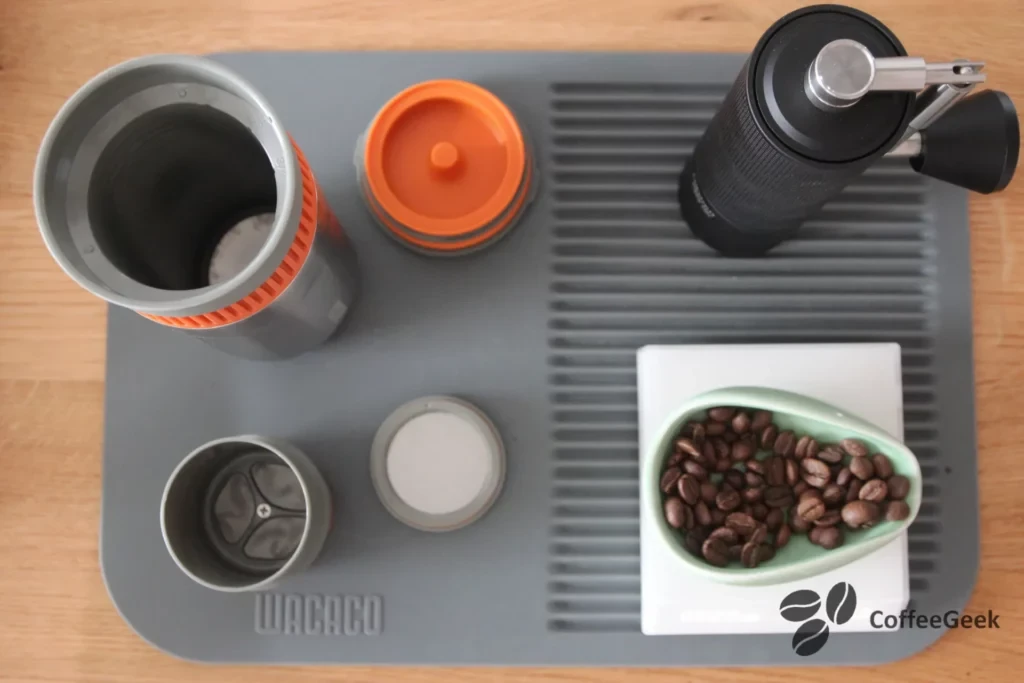
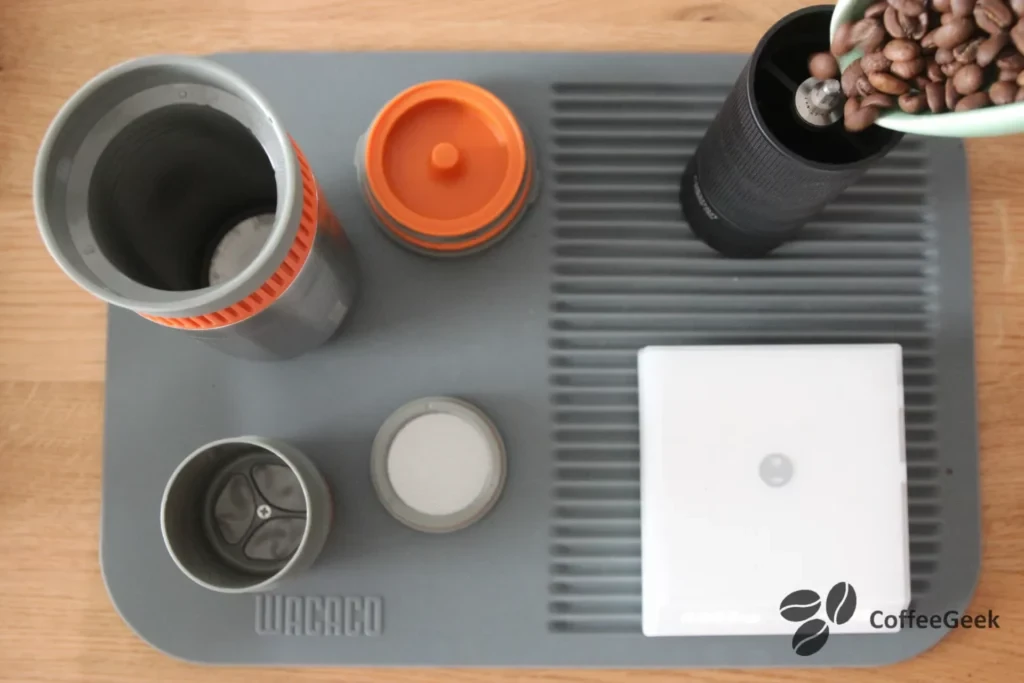
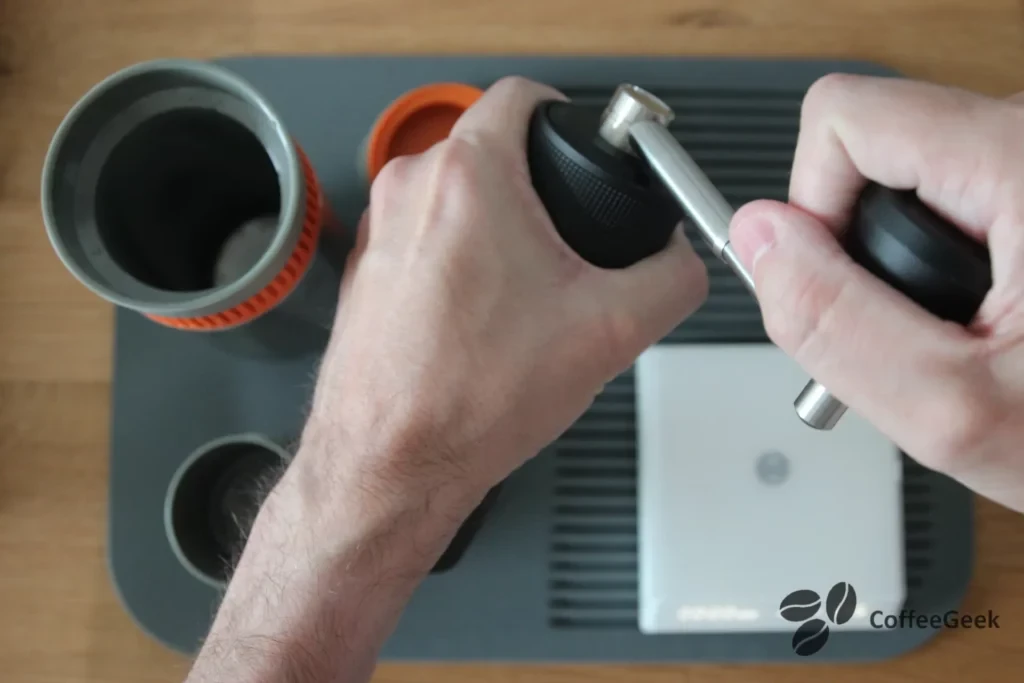
- Grind 14 g of coffee with the Timemore C3 ESP Pro: I use setting 1.9 (one full rotation of the adjustment dial, then on to position 9).
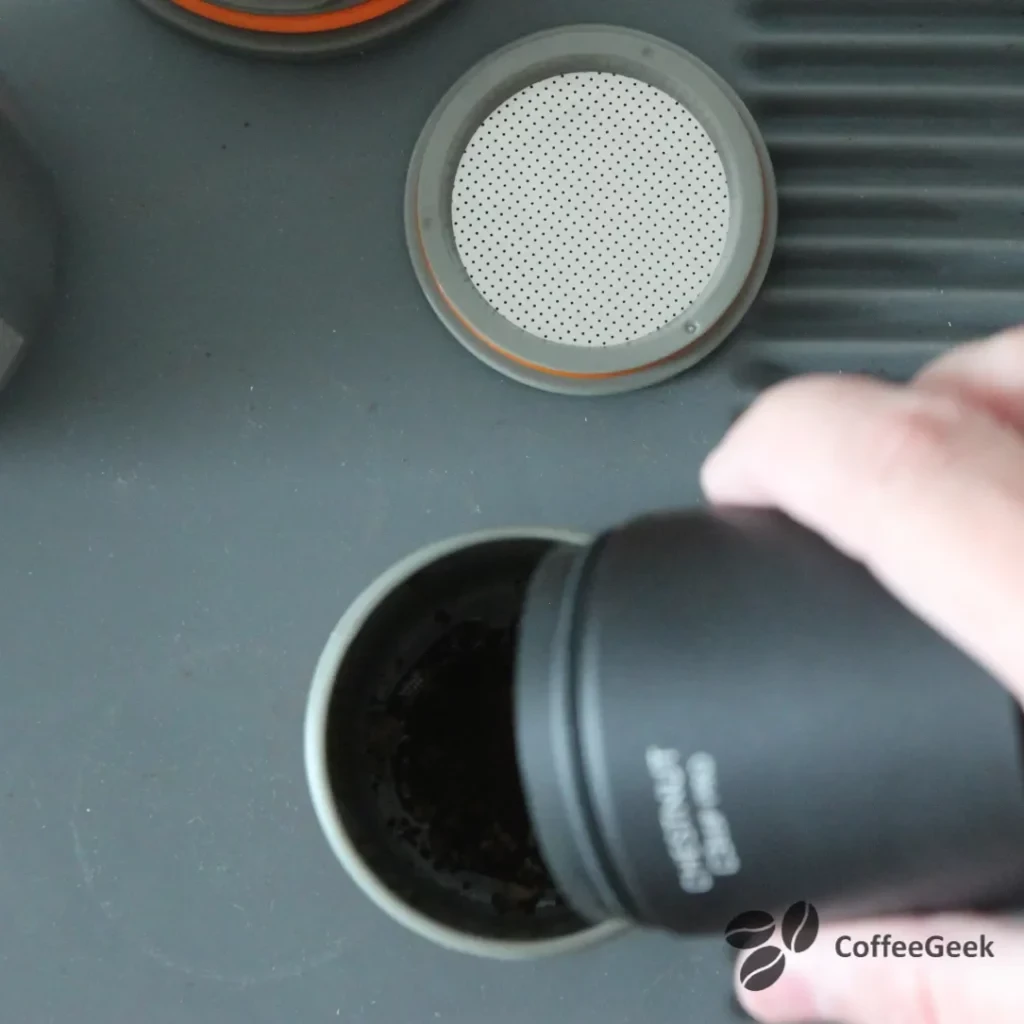
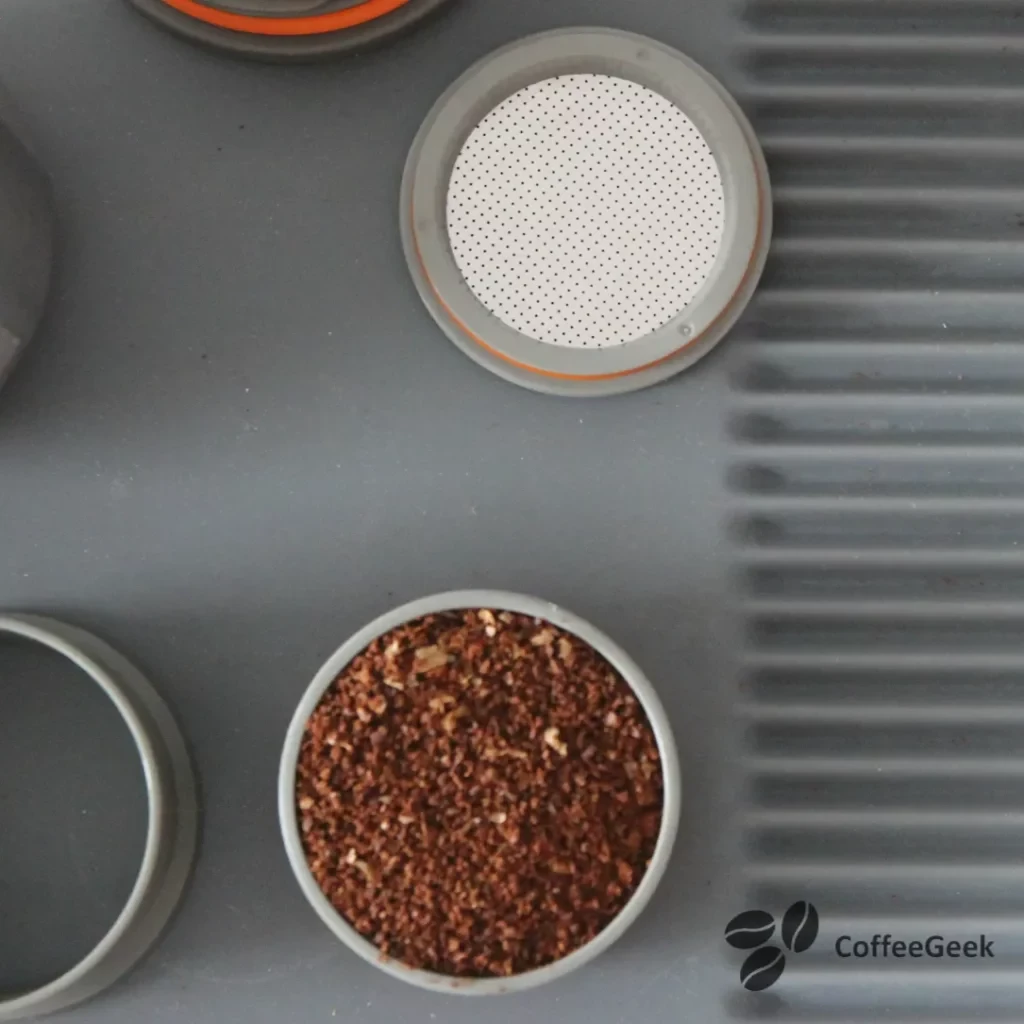
- Pour the ground coffee into the capsule using the small funnel provided so you don't spill any.
- Roughly distribute the coffee in the capsule before closing it.
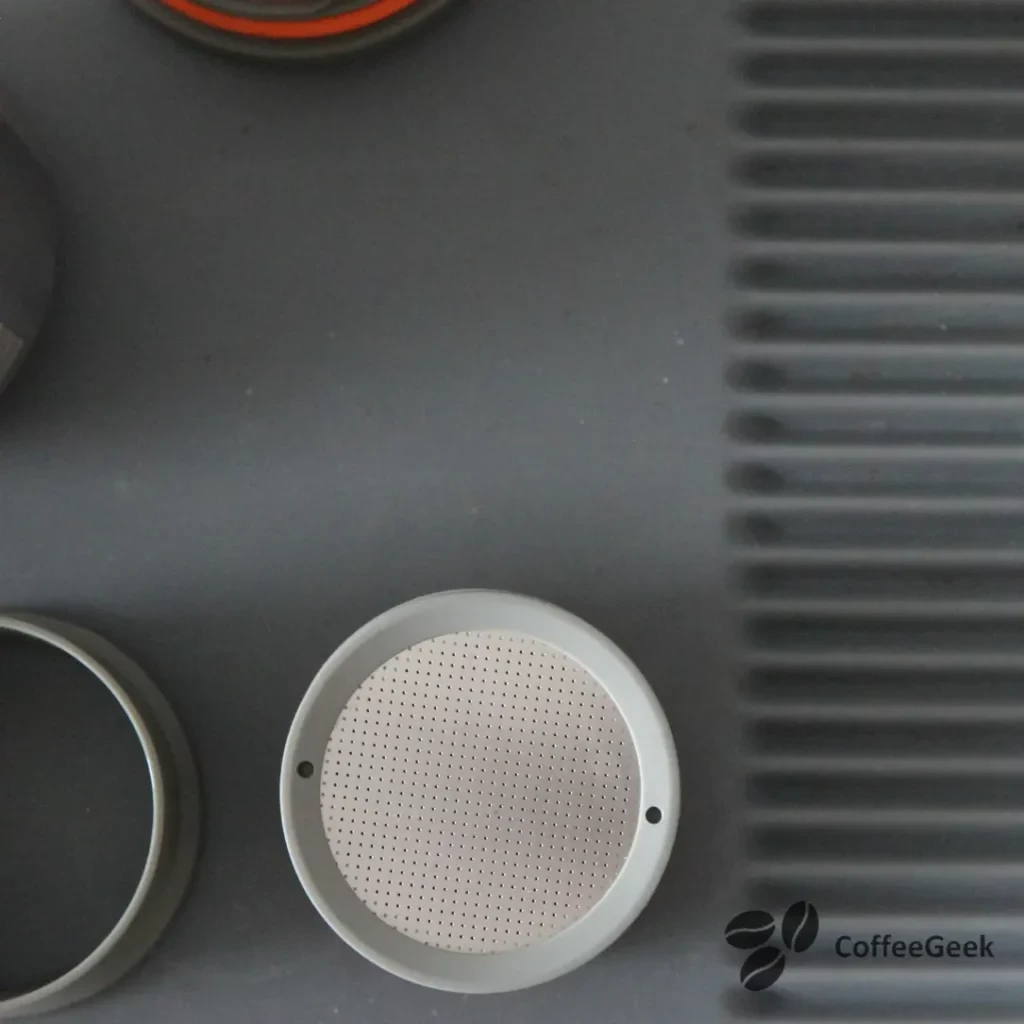
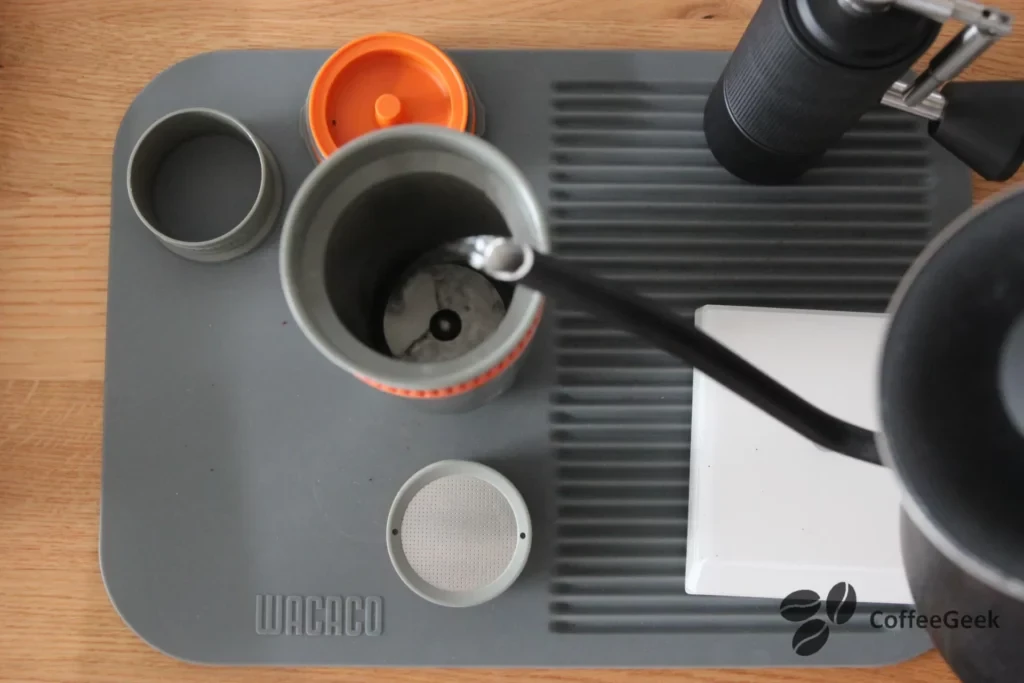
- Close the capsule with its lid.
- Fill the tank with hot water.
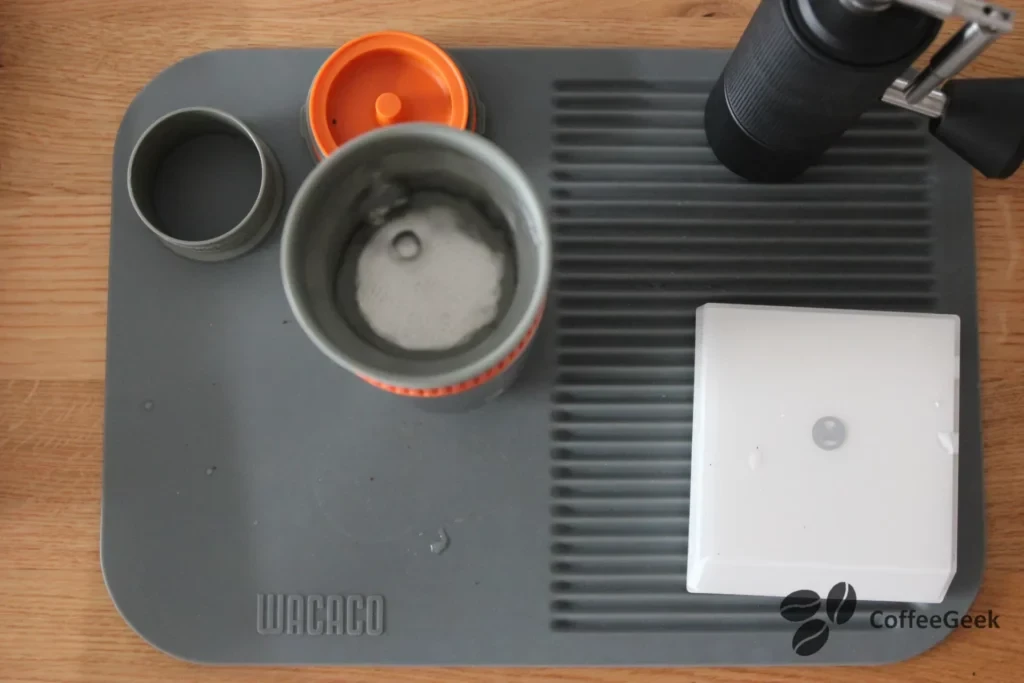
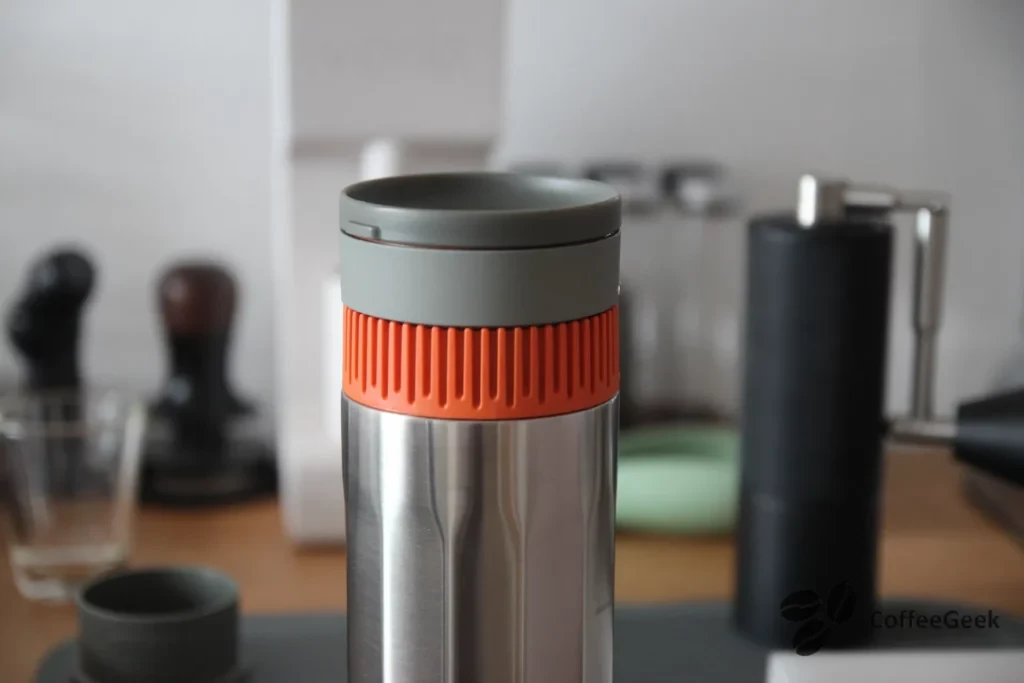
- Insert the capsule into the Pipamoka and wait about 30 seconds until there are no more air bubbles.
- Once the air bubbles are gone, close the Pipamoka with its lid.
- Twist the base of the Pipamoka to build extraction pressure.
- And here's the result:
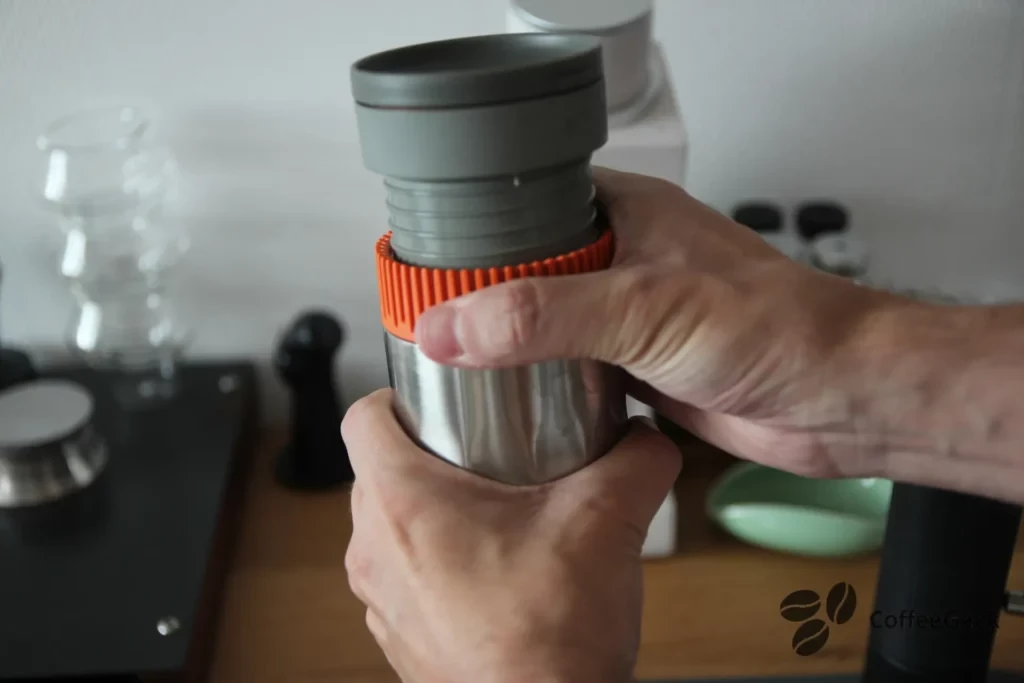
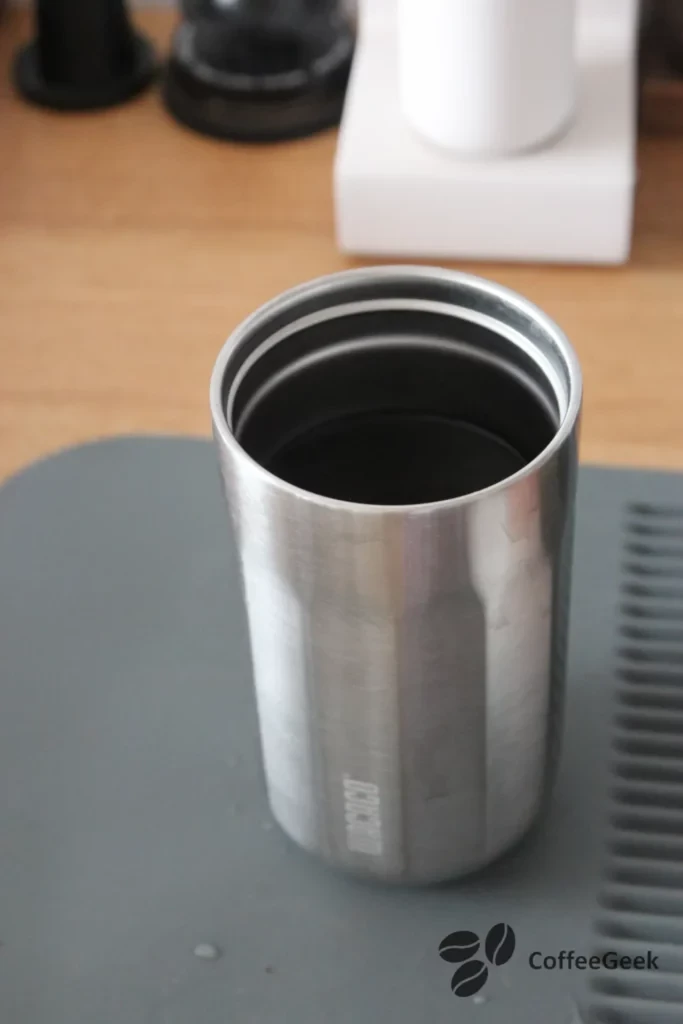
Enjoy your coffee, freshly brewed.
Disassembling and Cleaning the Timemore C3 ESP Pro
Disassembling and cleaning the grinder is very simple. Here are the detailed steps:
- Fully unscrew the adjustment dial to free the burr.
- Remove the central shaft, which gives you access to the inside of the grinder.
- Clean the inside of the grinder with a brush or a dry cloth to remove coffee residue.
- Reassemble the grinder in reverse order: put the central shaft back, reinstall the burr, then screw the adjustment dial back on.
These steps make maintaining the grinder quick and easy, helping to ensure its durability and performance.
Conclusion
I bought this coffee grinder mainly for travel, and I mostly use it with my small travel coffee maker, the Wacaco Pipamoka. The Timemore C3 ESP Pro won me over with its small size, its attractive price, its build quality, and the consistency of its grind.
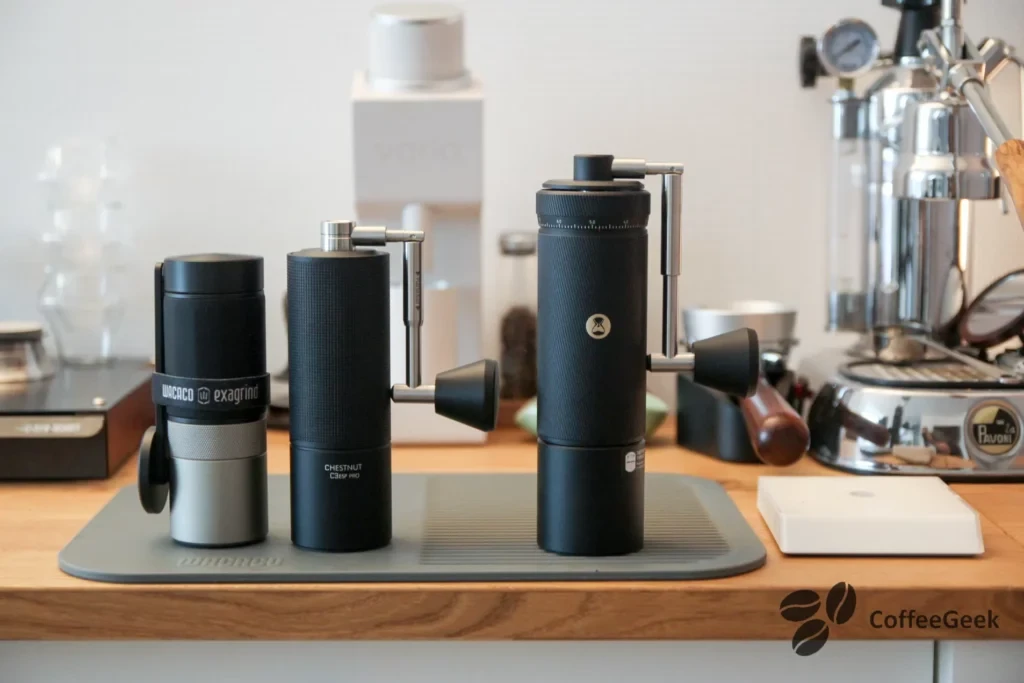
From left to right: the Wacaco Exagrinder (sold on Amazon as the Wacaco Exagrind), the Timemore C3 ESP Pro, the Timemore S3.
I find it particularly well suited to filter coffee because of its small burr. That said, it's perfectly capable of grinding for espresso, although grinding takes a little longer.
Comparing Timemore grinders, I much prefer the C3 ESP Pro to the S3. The S3 is bulkier and has a larger burr, but it isn't suited to making espresso, unlike the C3 ESP Pro. If you're looking for an even more compact grinder, I invite you to read my review of the Wacaco Exagrinder, designed specifically for that purpose.
- Affordable price
- Excellent value for money
- Build quality and materials
- Grind quality and consistency
- Extremely low retention
- Easy and comfortable to handle
- Folding crank (Pro version)
- Slow to grind for espresso