
I started preparing my coffees with a Delonghi Dedica machine, a simple and easy-to-use machine. It allowed me to discover the basics and get introduced to espresso. Progressing well but limited by this small modest machine, I quickly wanted to move to a more capable machine. Which one to choose, within what budget, with which grinder... So many questions I asked myself, delaying the purchase of a new machine.
A year ago, my family gave me a Quickmill Pop machine to help me progress in preparing my caffeinated beverages. A much more serious machine, offering much more control over espresso preparation. I was over the moon! In many respects, this machine is a success. It heats up quickly, is equipped with a PID, a pressure gauge, and more atypically - in this price range - it features a valve allowing real-time adjustment of water flow, affecting the pressure in the group head.
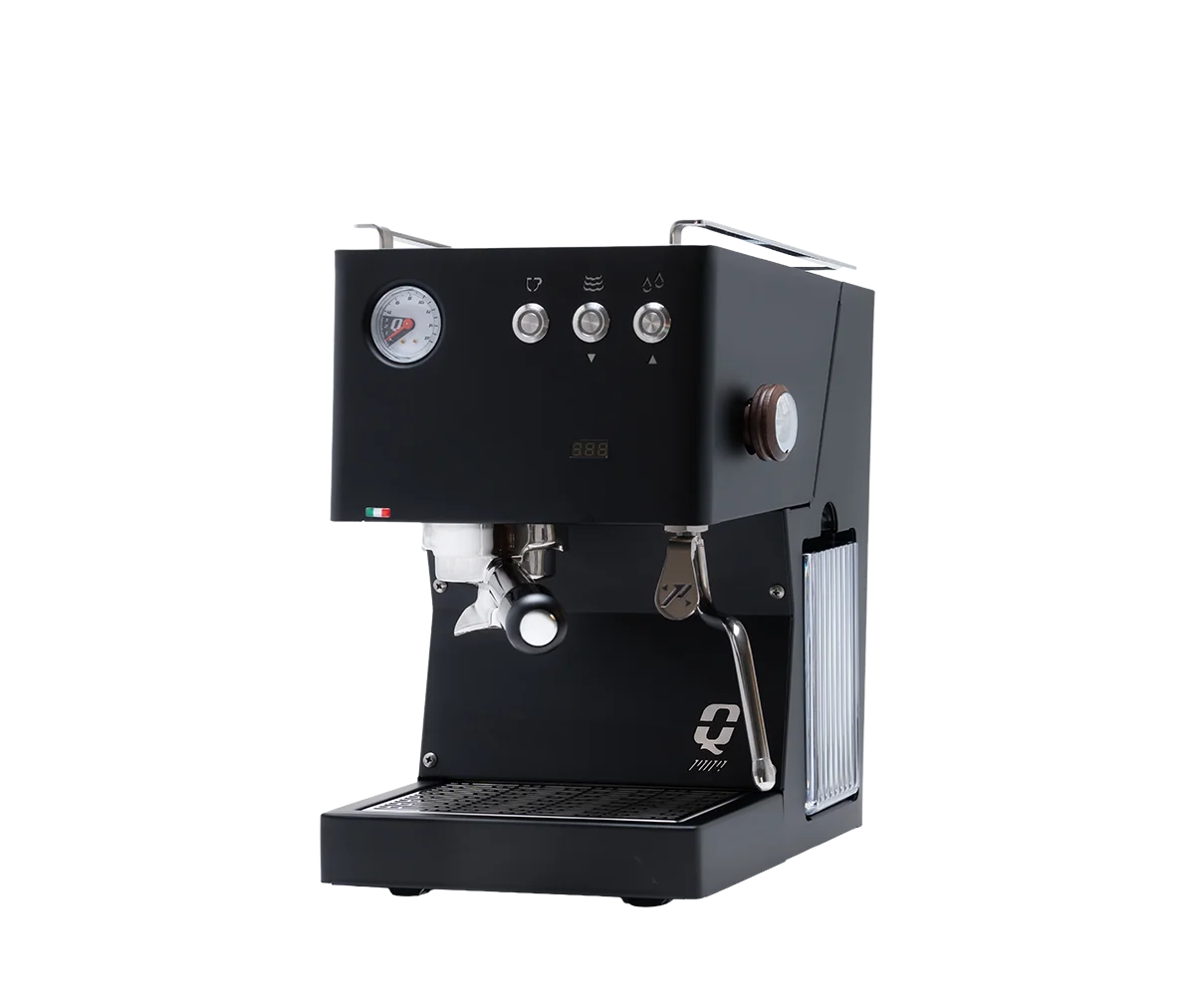
I am truly satisfied with this machine. It has allowed me to progress a lot and understand key elements in preparing an espresso. But I would like to share a confession with you: I fell in love with coffee. A beverage I couldn't drink even 2 years ago, I now consume it several times a day.
But one point frustrated me with my Quickmill Pop:
- when I used a supermarket coffee, very roasted, I managed to produce a decent espresso, full-bodied, but balanced, neither too bitter, nor too acidic.
- when I used a specialty coffee, the coffee was systematically too acidic, regardless of the specialty coffee used.
I spent a long time looking for the causes of this difference in cup result. But before continuing and explaining the results of my research, I would like to return to the technical characteristics of the machines in the Quickmill Pop range. This is an important point to continue the reflection on the cup result.
Quickmill Pop vs Pop Up
| Quickmill | Quickmill Pop Up | Quickmill Pop |
|---|---|---|
| Boiler | Yes | No (Thermoblock) |
| Group | E61 | Proprietary |
| Portafilter | 58mm | 58mm |
| Single basket | 7–9 g | 7–8 g |
| Double basket | 14–18 g | 14–16 g |
| PID | Yes | Yes |
| Pressure gauge | Yes | Yes |
| Pressure profiling | Yes | Yes |
The group and the portafilter
While the Pop Up offers extended compatibility with all standard accessories on the market thanks to its standard E61 group, the Pop and its proprietary group is only compatible with the accessories supplied with the machine. As this is an entry-level machine, Quickmill does not sell additional accessories. Thus, it is for example not possible to fit a bottomless portafilter. While it doesn't bring any difference in the cup, it allows for a better understanding of extraction problems such as channeling, and to progress in grind preparation. This is what I expected from an entry-level machine, to progress technically.
4 tips to avoid channeling with a bottomless portafilter
Discover how to avoid channeling during your espresso extractions with a bottomless portafilter.
Read the article →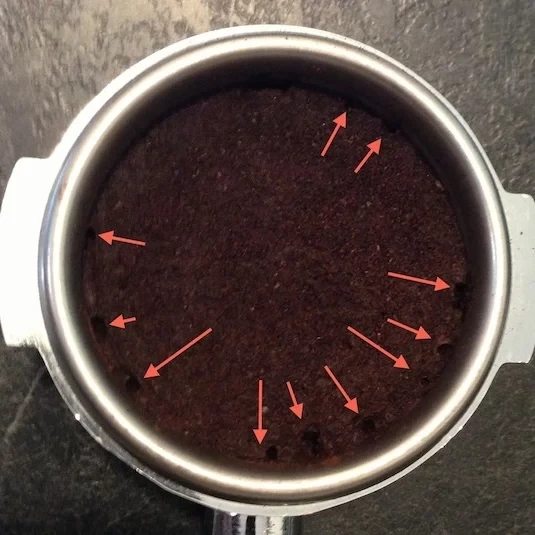
The Pop and its proprietary group cannot accommodate a portafilter/basket different from the original one. The lack of compatibility, combined with Quickmill's choice not to offer compatible accessories, makes the Pop not very upgradeable.
The Basket
The Quickmill Pop Up, as mentioned earlier, is compatible with all standard accessories on the market. Thus, it is easy to opt for the basket of your choice, and to dose according to your preferences.
With the Quickmill Pop, you are limited to double espressos of 15g maximum, or 30g in the cup. The proprietary Quickmill group does not allow overdosing the basket, as the grounds will press against the shower screen when inserting the portafilter into the machine. The 15g is therefore an absolute maximum on this machine.
The Quickmill Pop basket is limited to 15g maximum. This constraint is imposed by the depth of the proprietary group and cannot be bypassed without modification.
So, What Results in the Cup with the Quickmill Pop?
Results:
- With a fairly dark roast, it is easy to obtain a balanced cup. This is typically Italian-style espresso, full-bodied, slightly bitter, but well-balanced.
- With a lighter roast - monk's robe for example - the machine has much more difficulty producing a balanced cup. Despite compliant extraction parameters - ratio, time, pressure and temperature - the cup is consistently unbalanced, with pronounced acidity.
I attempted numerous adjustments to improve the result in the cup, but without success. Changing grinders, specialty coffee, roasters, nothing worked.
Potential improvements
I then discussed it with my roaster who suggested another approach.
According to him, the basket limited to 15g is the cause of the acidity in the cup. He advised me to use a larger basket to allow a higher dose.
But as you know, the Quickmill Pop and its proprietary group cannot accommodate a portafilter/basket different from the original one. I therefore decided to explore other avenues, particularly using an IMS basket, renowned for its manufacturing quality and its greater depth compared to original baskets.
Finding a compatible bottomless portafilter
I therefore searched for a bottomless portafilter compatible with the Pop. I ordered it (45 euros) from an Italian website, with the technical specifications indicating it was compatible with the Pop. In fact, it was not compatible. Although equipped with 3 lugs, the contact surface was not flat, and the basket could not ensure a seal with the group gasket.
No matter! If it wasn't possible to find a portafilter, perhaps I could make one? It was a somewhat silly thought: I didn't have the technical knowledge or the means to manufacture a portafilter.
Making a compatible portafilter
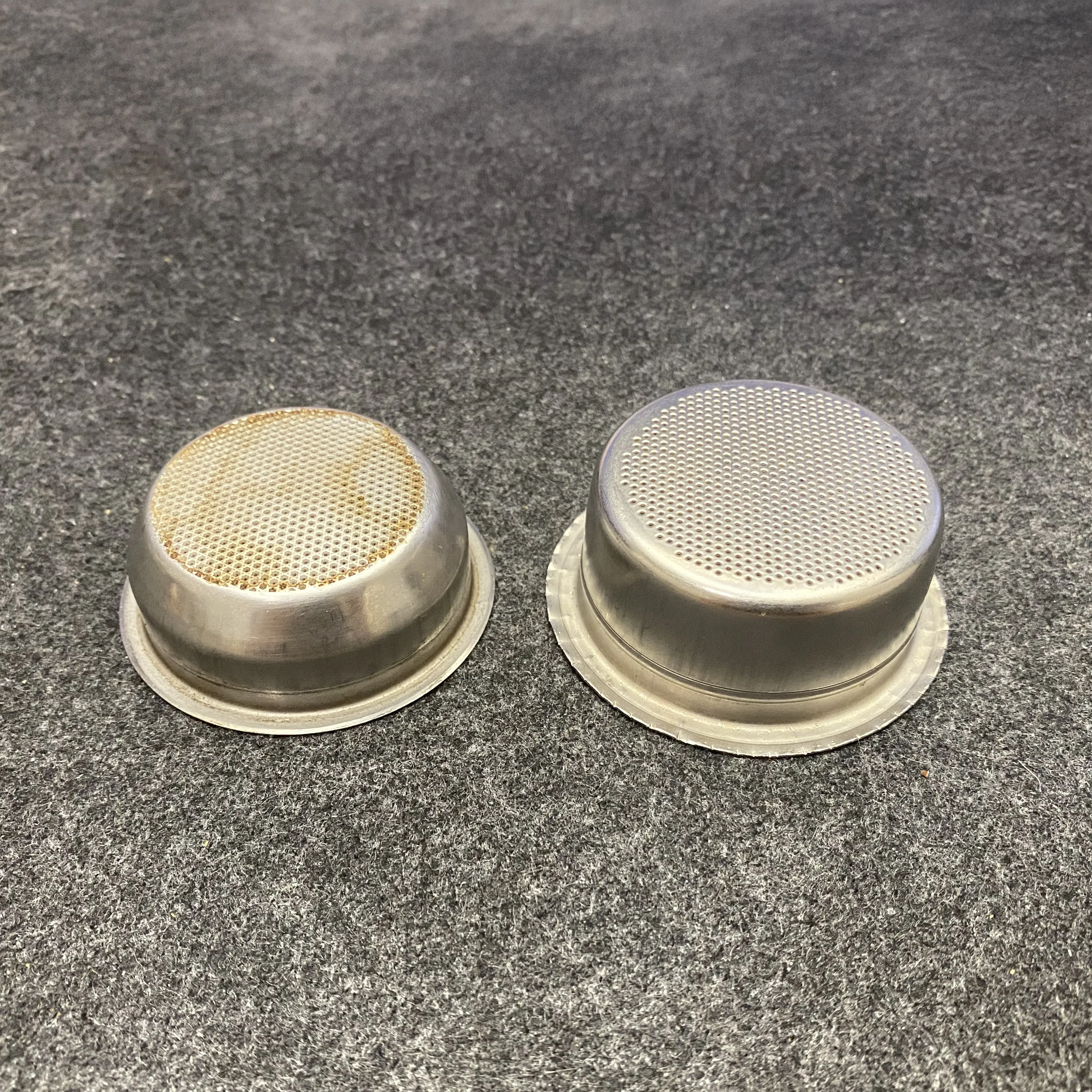
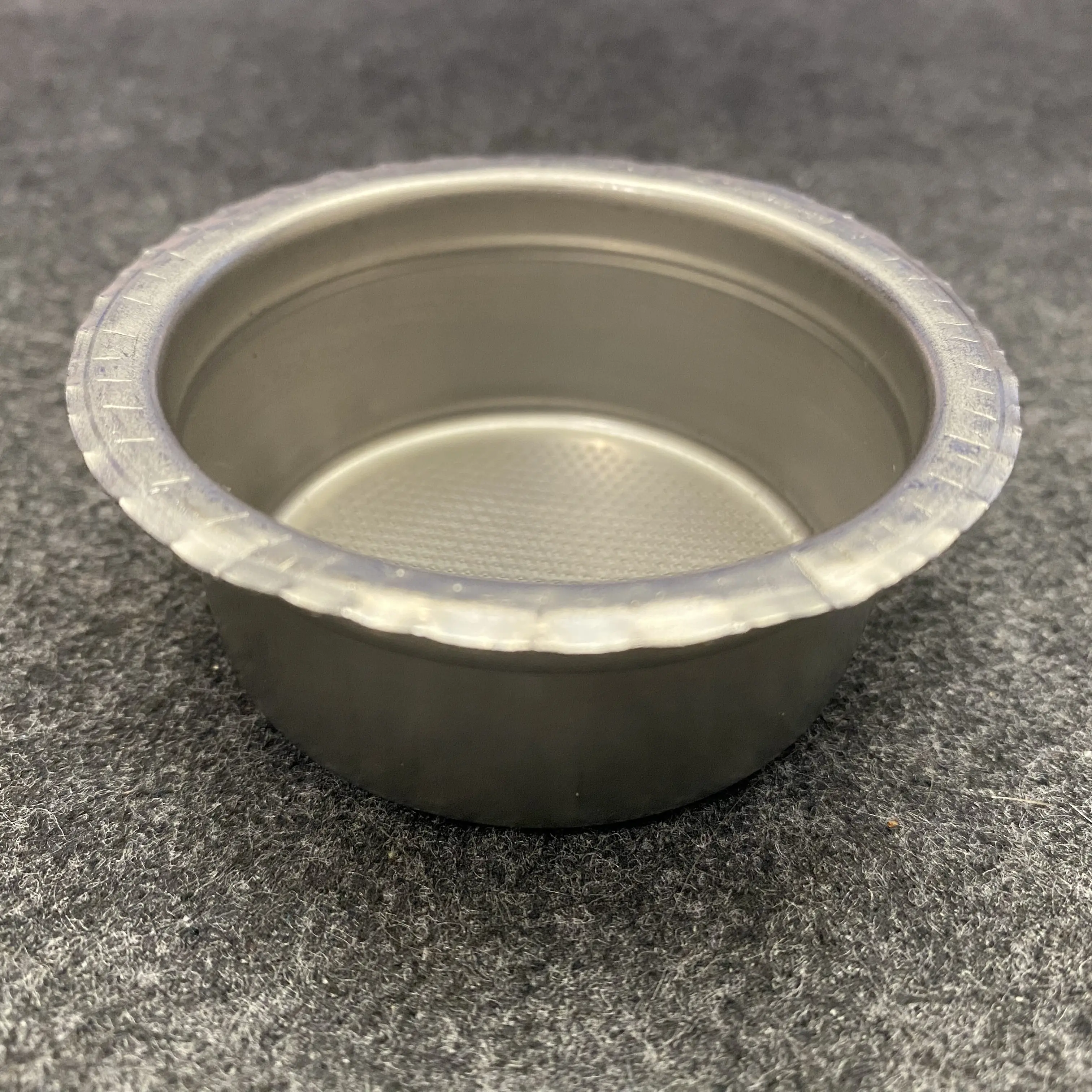
But while studying the incompatible bottomless portafilter, and the Pop's, I noticed that the basket supplied with the bottomless portafilter was much deeper than the Pop's. I inserted it, and it fit perfectly. If I couldn't make a bottomless portafilter, I could try to adapt a basket to make it compatible with the Quickmill group.
I want to clarify that I have no specific knowledge in mechanics or machining. I tried with the means at my disposal to find a solution to a simple problem.
Indeed, a major problem remained: The new basket had rounded edges while the Quickmill group is designed for flat edges, resting entirely on the portafilter. Also, I noticed that the new basket was protruding about 1.5mm from the portafilter. This doesn't prevent insertion, but slightly hinders it.
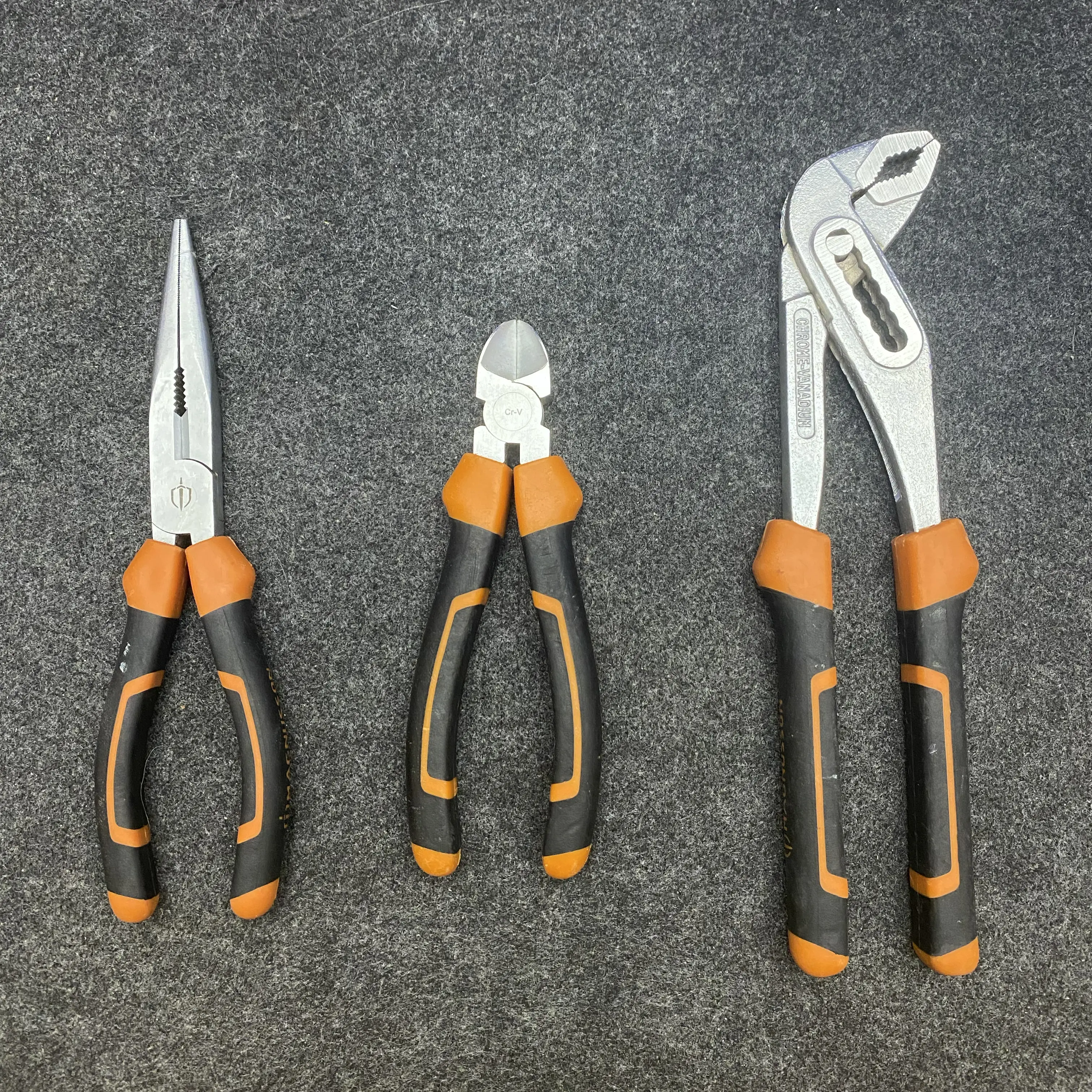
I started by using cutting pliers, not to cut the basket, but to slightly deform it in order to create flat edges. By multiplying the pressure points, I could flatten the edges of the new basket. It wasn't perfect, but sufficient to make a first attempt.
Any modification of the basket or portafilter voids the warranty of the machine. Proceed with caution and systematically check the seal before each extraction.
First test at 18g
Same parameters as previously.
Regarding the grind, I had chosen not to change the grinder setting, and to observe the result.
The first attempt with 18g went well. The result was balanced, with a beautiful crema, the result in the cup had greatly improved, but it wasn't perfect yet.
Second attempt at 22g
Same parameters as previously.
The second attempt was a bit more chaotic, but it's the best shot I've made with my machine despite a 50-second extraction. A full-bodied coffee, neither too bitter nor too acidic, a crema like I've never had, smooth. This is THE coffee I'd like to have every day as an espresso.
Going from 15g to 22g transformed the result in the cup. The depth of the basket seems to be the determining factor for properly extracting specialty coffees on this machine.
Conclusion
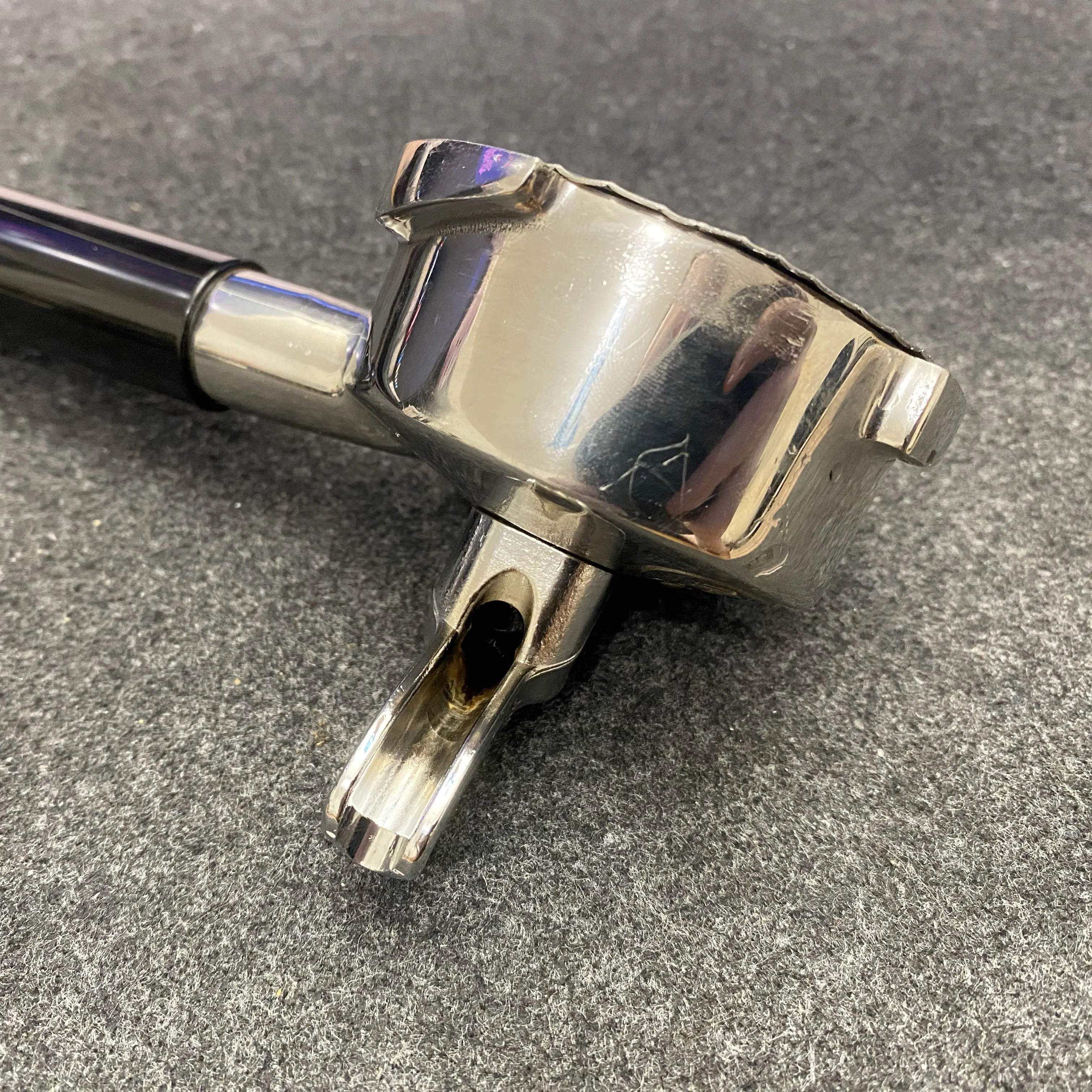
- A very slight leak occurred - the edge of the basket not being flat enough to rest perfectly on the gasket - which only lasted a microsecond, the infusion continued and went well. I need to continue flattening the edge of the basket to ensure it's perfectly flat.
- The edge of the portafilter rubs slightly against the group head during locking. I need to file the edge so it's smaller than the diameter of the portafilter.
This experience allowed me to draw a few conclusions:
- Basket depth significantly influences the result in the cup
- A higher dose (18-22g) clearly improves balance with specialty coffees
- The Quickmill Pop Up is a more scalable machine than the Quickmill Pop
- Seal of the modified basket needs improvement (edges not yet flat enough)
- Portafilter edge needs filing (friction when locking)
- Artisanal solution, not guaranteed by the manufacturer
I still have quite a bit of work left to finalize the basket and ensure the seal is perfect. If you have any suggestions to improve the flatness of the basket edges, feel free to discuss them in the comments.