You brew your coffee carefully, you use quality beans, and yet the cup is consistently too bitter. This is one of the most common complaints I hear in the community, and the good news is that it almost always has an identifiable cause - and therefore a concrete solution.
Bitterness is a normal taste sensation in coffee, but it should never dominate the cup to the point of masking the other flavors. When it becomes overwhelming, it's a sign that something is wrong in your brewing process. After several years of making espresso and filter coffee, I've learned to recognize these signals and correct them quickly.
If your filter coffee has other issues beyond bitterness, check out the article 5 reasons why your filter coffee could be better for a complete diagnosis.
Why bitterness appears in coffee
Before listing the causes, it's useful to understand where bitterness in coffee comes from. During extraction, water successively dissolves the compounds in the coffee: first the acids and sugars (which bring brightness and sweetness), then the bitter compounds such as caffeine, degraded chlorogenates, and roasting melanins. A well-managed extraction stops at the right moment, when the right molecules have been dissolved without reaching the undesirable compounds.
The problem occurs when this process goes off track - too much heat, too much contact time, an unsuitable grind. Each of these factors can push the extraction too far and deliver a cup dominated by bitterness. Identifying which one is responsible in your case is already half the solution.
Cause #1: Over-extraction
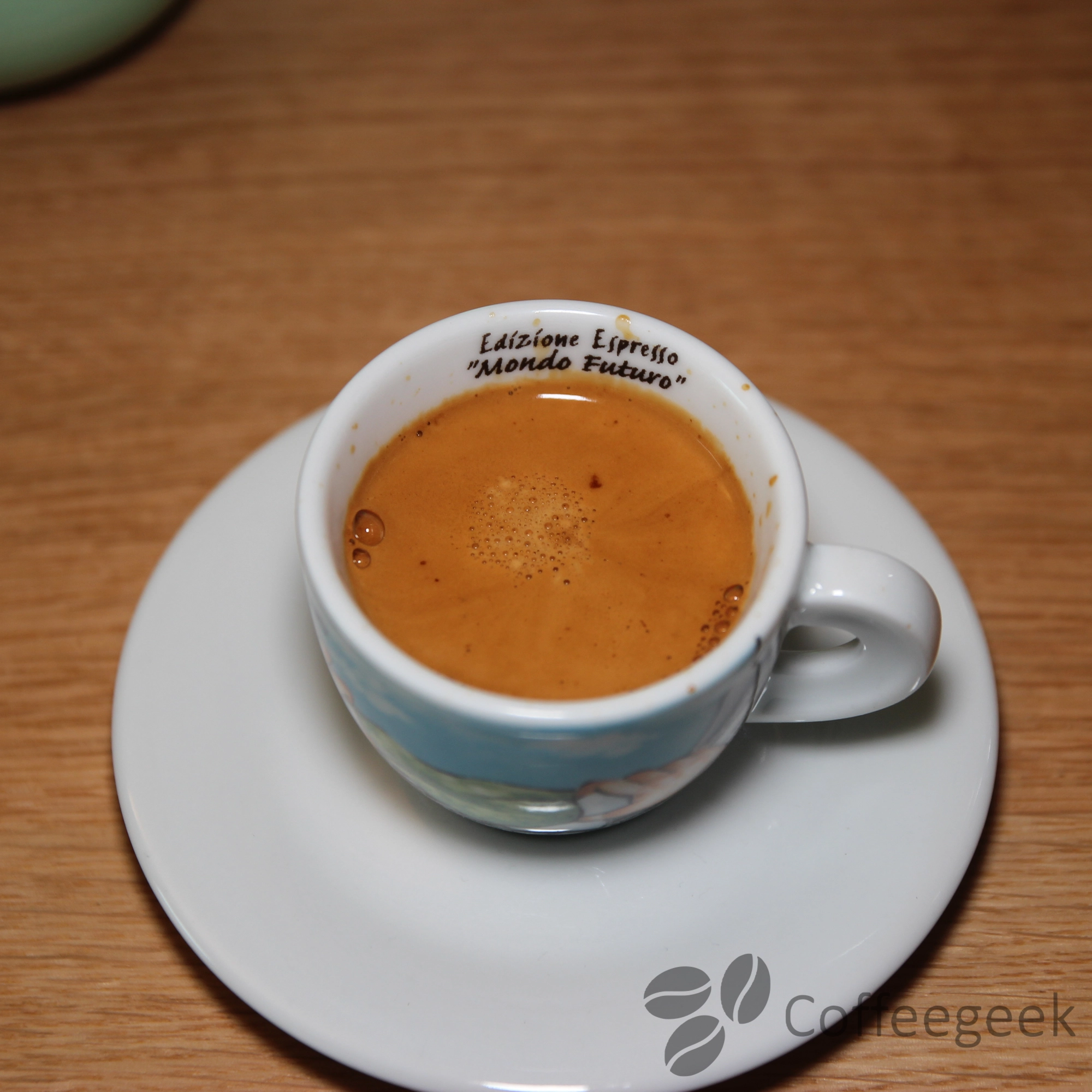
Over-extraction is the most common cause of bitter coffee, whether in espresso or filter methods. It occurs when water stays in contact with the coffee for too long, or when the water-to-coffee ratio is too high. In this case, the water has time to draw out the bitter compounds that normally remain in the grounds.
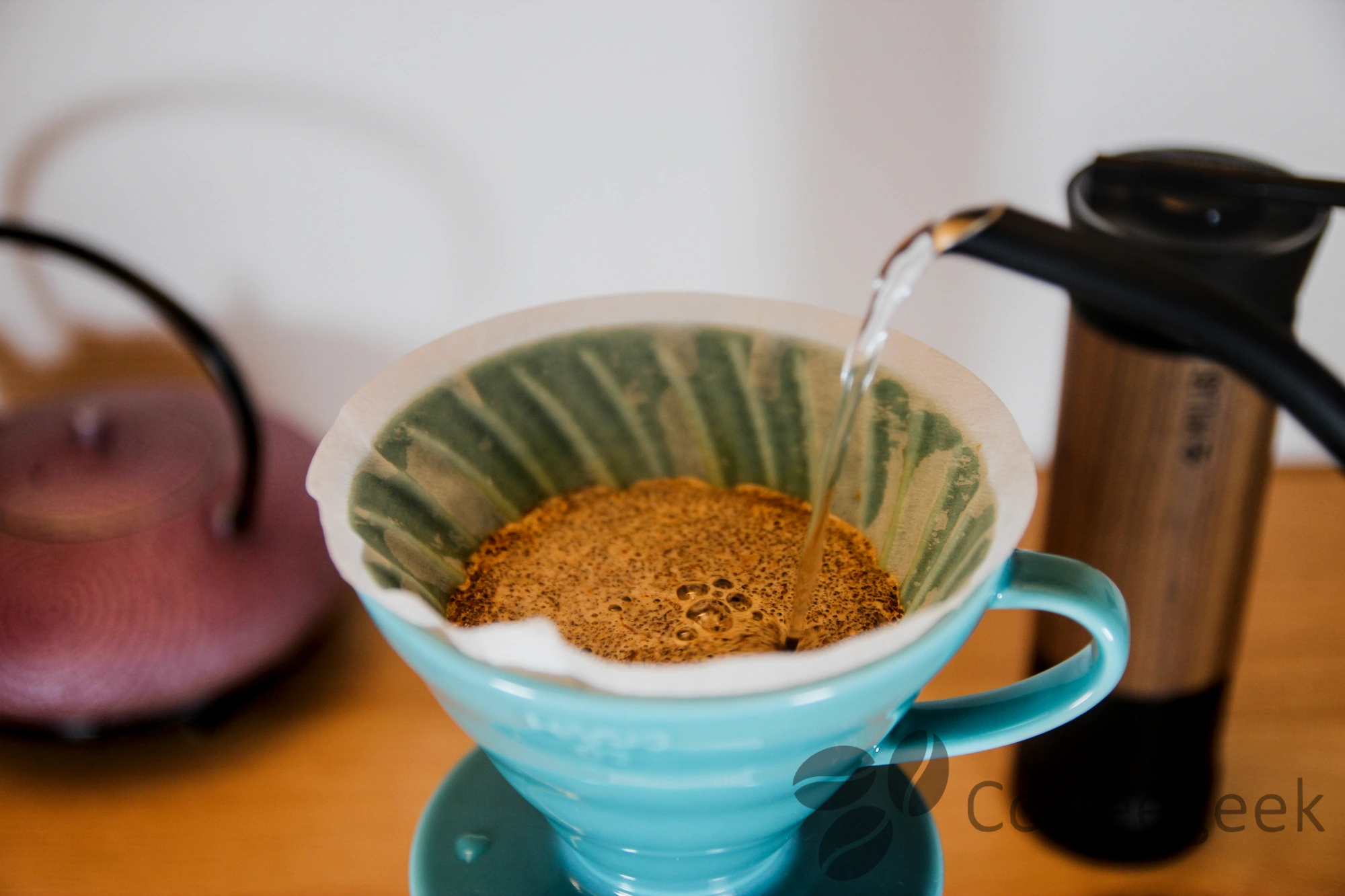
In espresso, an extraction lasting more than 35 seconds for a standard 1:2 ratio (e.g. 18 g of coffee for 36 g in the cup) is often a sign of over-extraction. The most direct solution is to grind slightly coarser so that water flows through more quickly. In filter, an excessively long brew time - for example more than 4 minutes for a V60 with 15 g of coffee - produces the same effect. Reducing the number of pours or grinding coarser generally fixes the problem within a few attempts.
This is often the first thing I check when a cup tastes bitter. A simple grind adjustment - one or two steps toward coarser - is enough in the majority of cases to bring the cup back into balance. Comparing results obtained on a grinder with fine adjustments like the Timemore Chestnut S3 has taught me just how much each click matters.
Cause n°2: a grind that is too fine
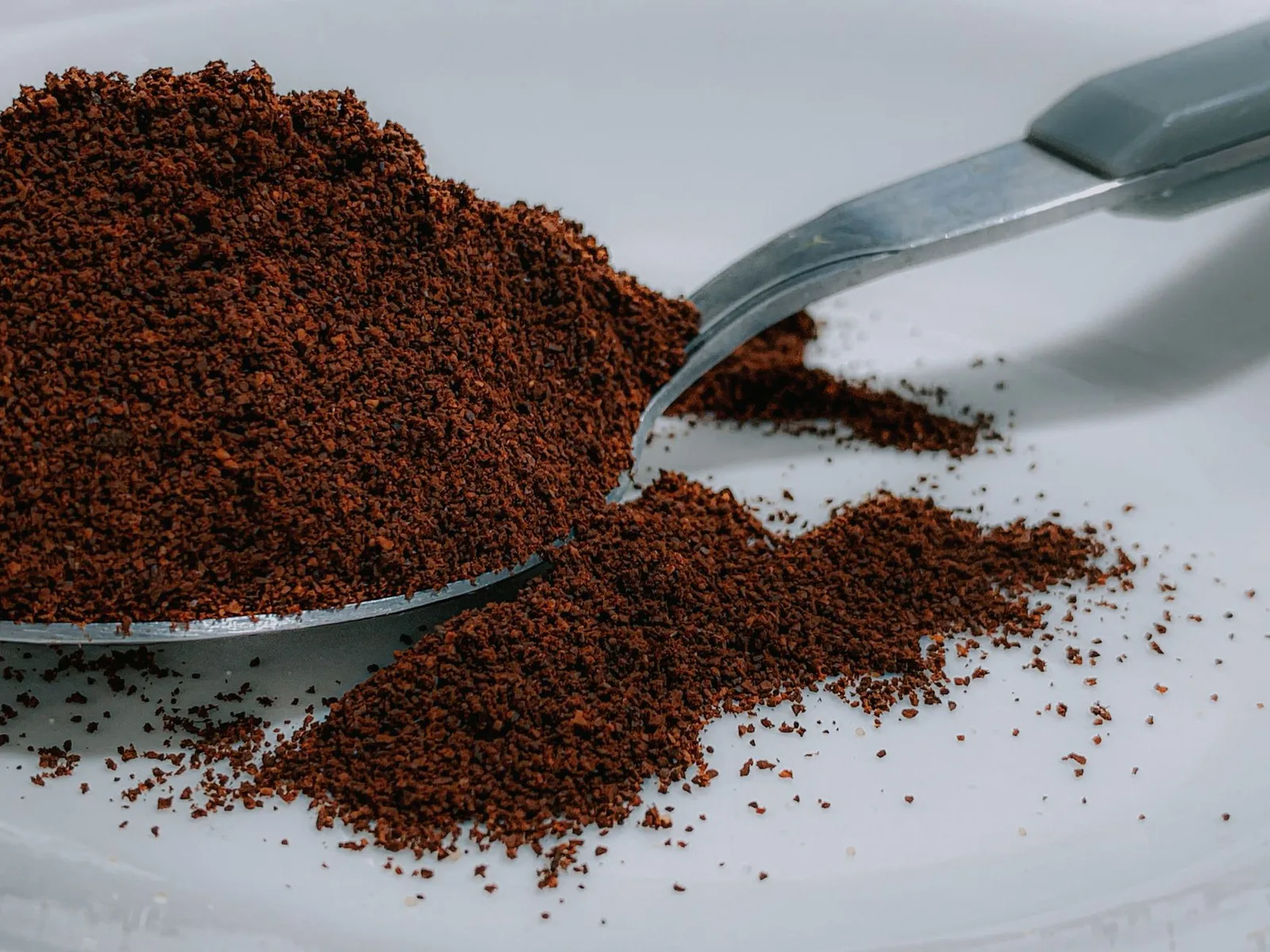
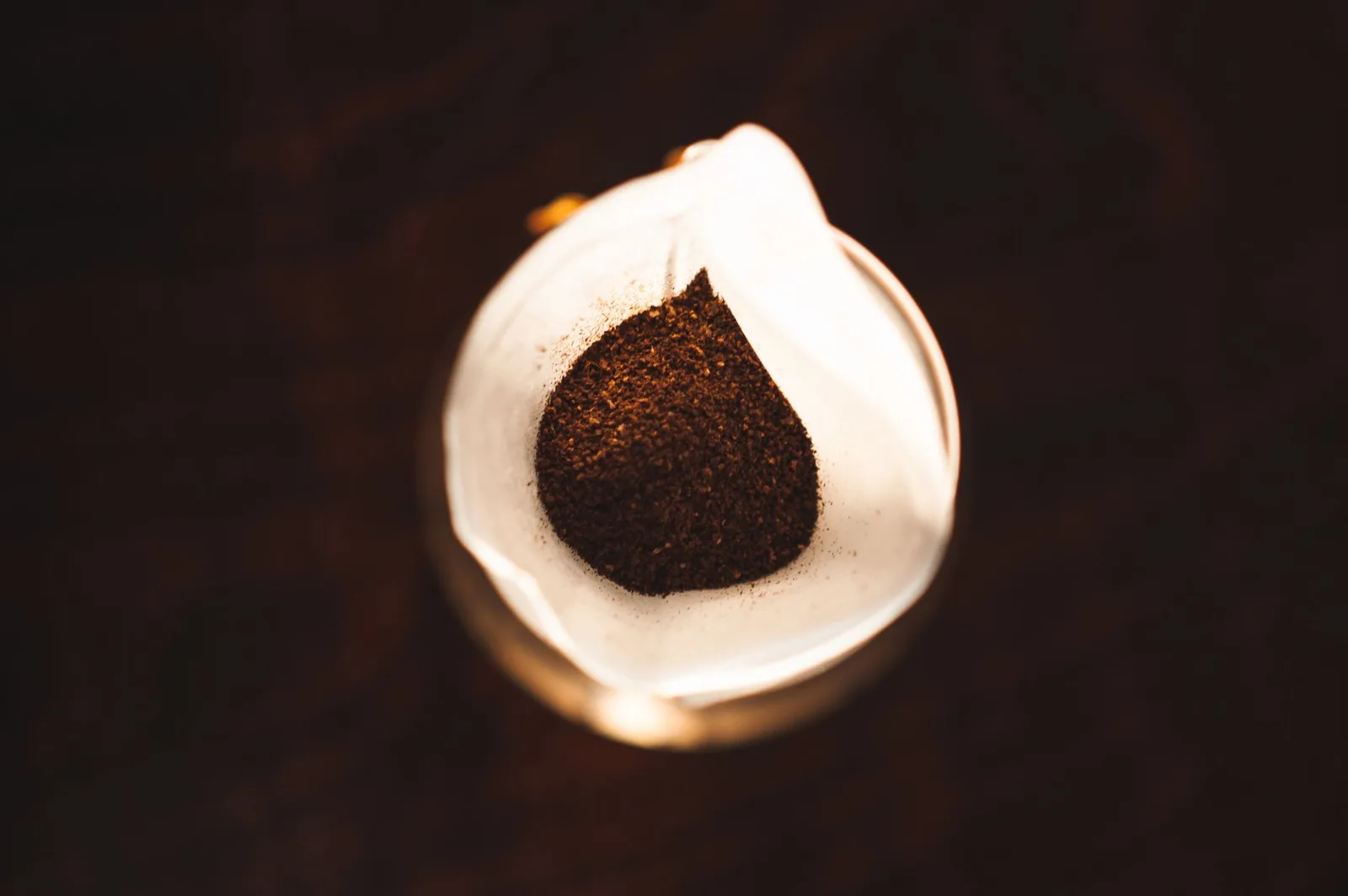
A grind that is too fine slows down the passage of water, increases contact time, and therefore promotes over-extraction. It is a classic vicious cycle: you think that grinding finer will give more flavor, when in reality you are mostly extracting the bitter compounds at the end of extraction.
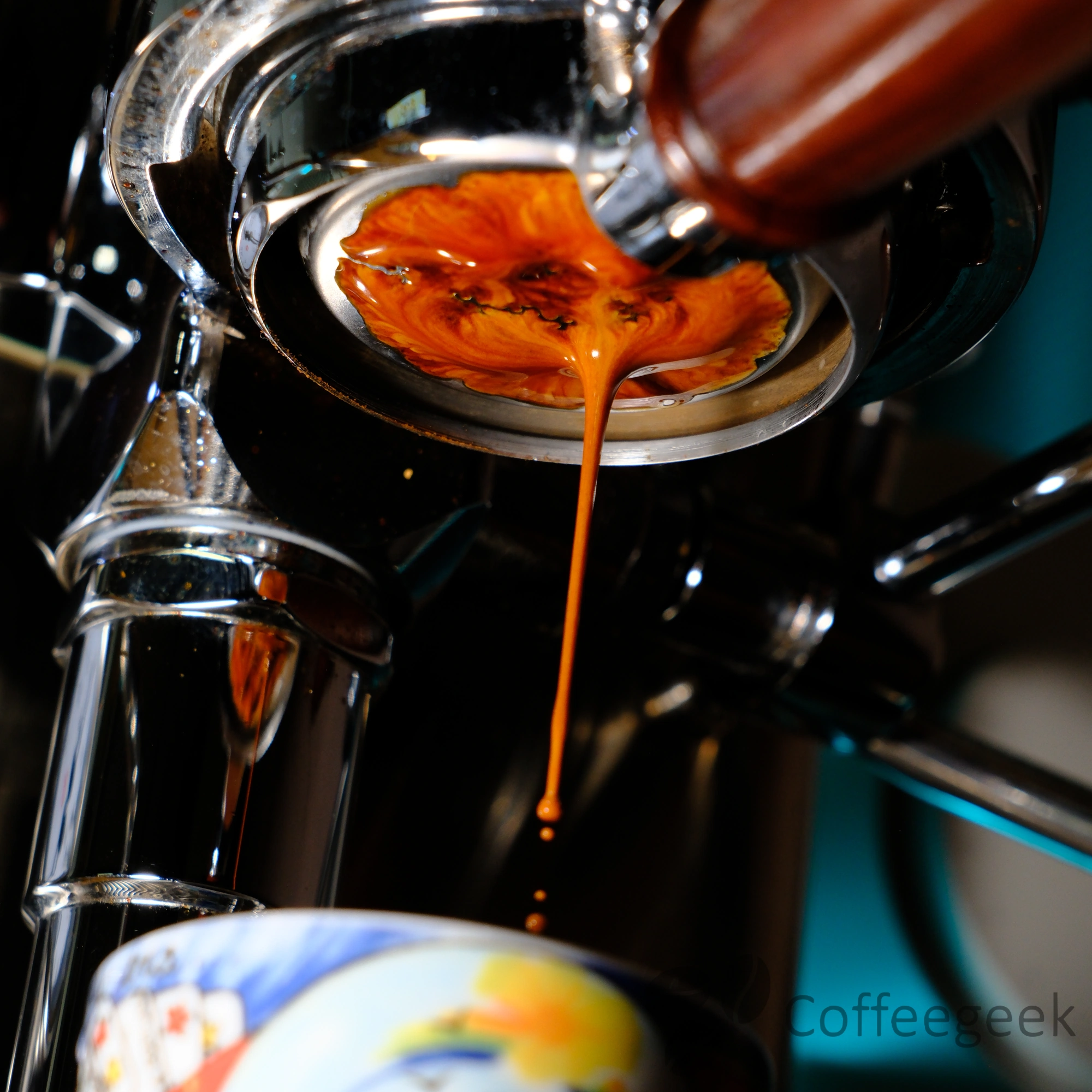
In practice, if your espresso runs in a thin stream and takes more than 40 seconds to flow, or if your filter takes more than 5 minutes to drain, the grind is too fine. The solution is simple: adjust the grinder one or two clicks toward coarser and start again. It is also important to make sure the grinder produces a consistent grind - an entry-level grinder with poor-quality flat burrs produces a lot of fines that accentuate bitterness, even with the correct setting. This is one of the reasons why investing in a good grinder radically changes the quality in the cup, as I explain in my review of the KINGrinder K4 & K6, an accessible option like the KINGrinder K6.
Cause #3: Water That Is Too Hot
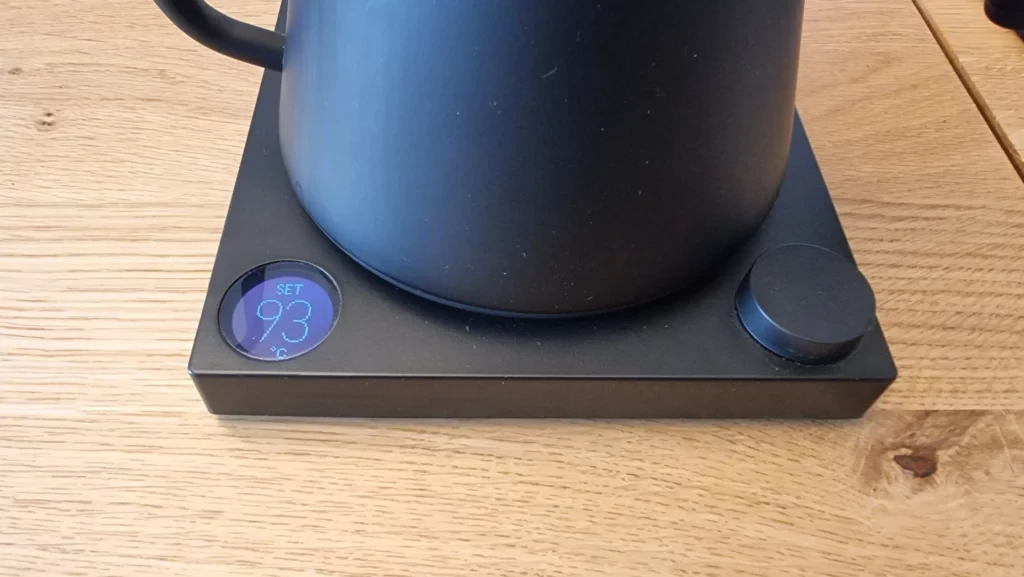
Water temperature is a parameter that is often overlooked, yet its impact on bitterness is direct and measurable. Above 96°C, water preferentially extracts bitter compounds and can even denature certain delicate aromas. This is particularly true for light-roast coffees, which are more sensitive to high temperatures.
The ideal range is between 90 and 94°C for most filter methods, and between 88 and 92°C for Ethiopian-origin coffees or very light roasts. If you are using a kettle without a thermometer, simply wait 30 to 45 seconds after boiling before pouring. For espresso, the thermal stability of the machine is crucial: a boiler that overheats consistently delivers bitter cups, which is one of the well-known challenges of lever machines such as the La Pavoni.
Cause #4: Over-roasted or poorly stored coffee
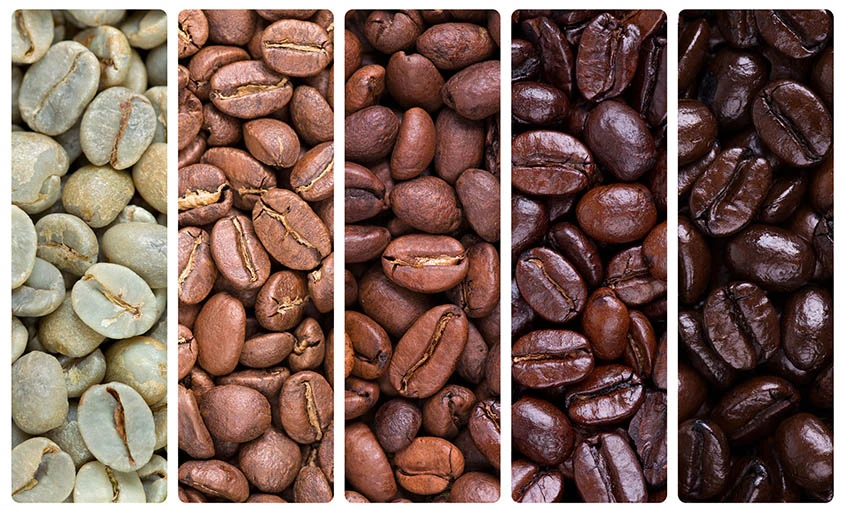
A dark roast coffee naturally contains more bitter compounds, because the prolonged heat of roasting degrades sugars and acids to produce melanins and bitter phenolic compounds. This is not a flaw in itself - some people enjoy this profile - but if you are looking to reduce bitterness, choosing a lighter roast is often the most effective solution.
Storage also plays an important role. An oxidized coffee, stored for too long or exposed to moisture, develops rancid aromas and an unpleasant bitterness that has nothing to do with the original roast. A roaster's coffee, consumed within 4 to 6 weeks of the roast date and stored in an airtight container away from light, will always be more balanced than a supermarket coffee that is several months old. To learn more about this topic, the article How to properly store your coffee details the best practices.
The packaging date is not the roast date. Prioritize coffees from roasters that clearly indicate the roast date on the bag - it is a mark of freshness and transparency. The simplest option is often to just visit your local roaster: there you'll find coffee roasted just days ago, and it's also a chance to talk directly with the person who roasted it.
Cause #5: Poorly Maintained Equipment
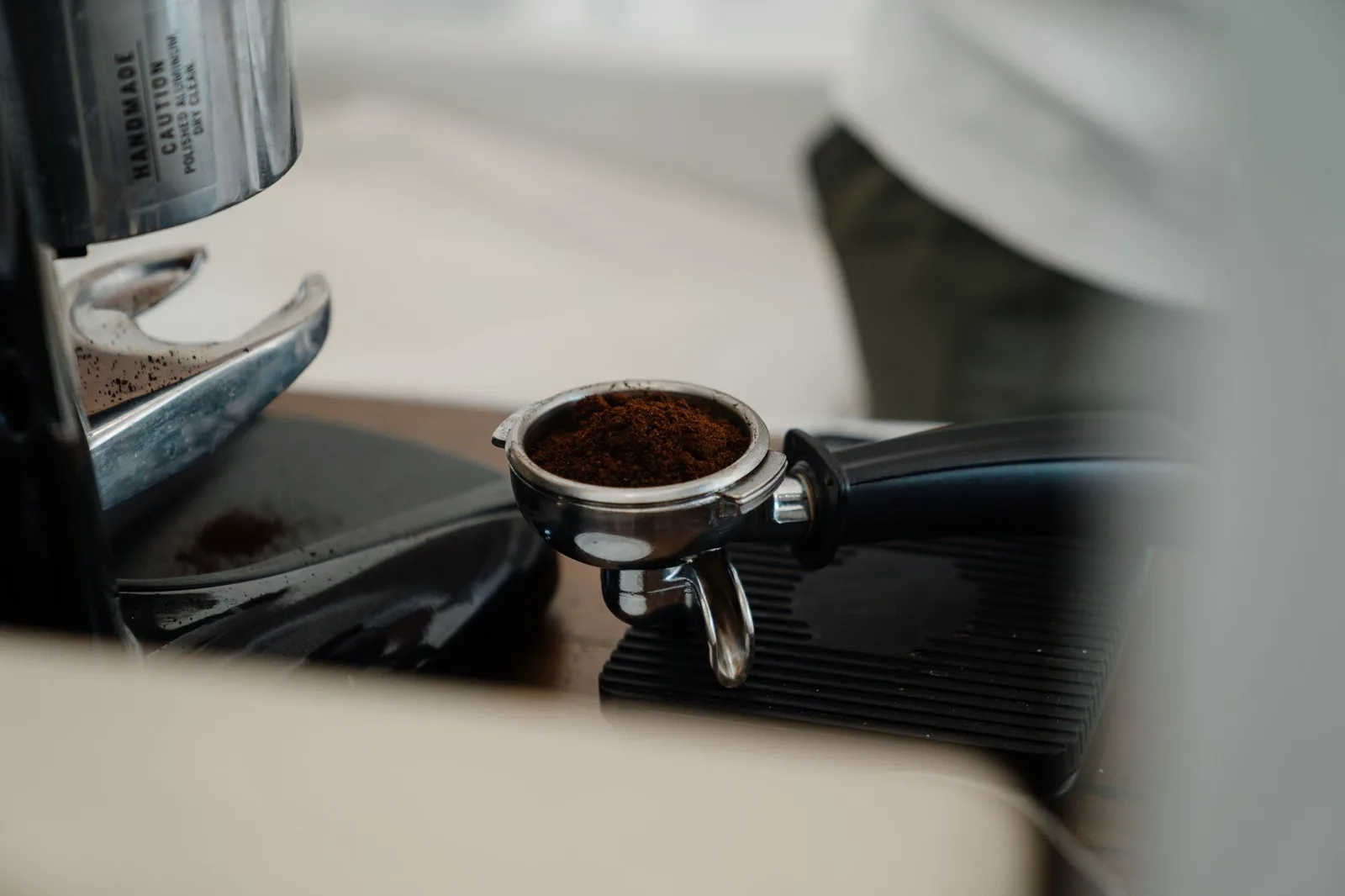
This is the most underestimated cause, and yet one of the most impactful. Coffee oils go rancid quickly when exposed to air and heat. They accumulate in the portafilter, gaskets, grinder burrs, and the walls of the coffee maker. With each extraction, these residues contaminate fresh coffee with bitter, rancid aromas.
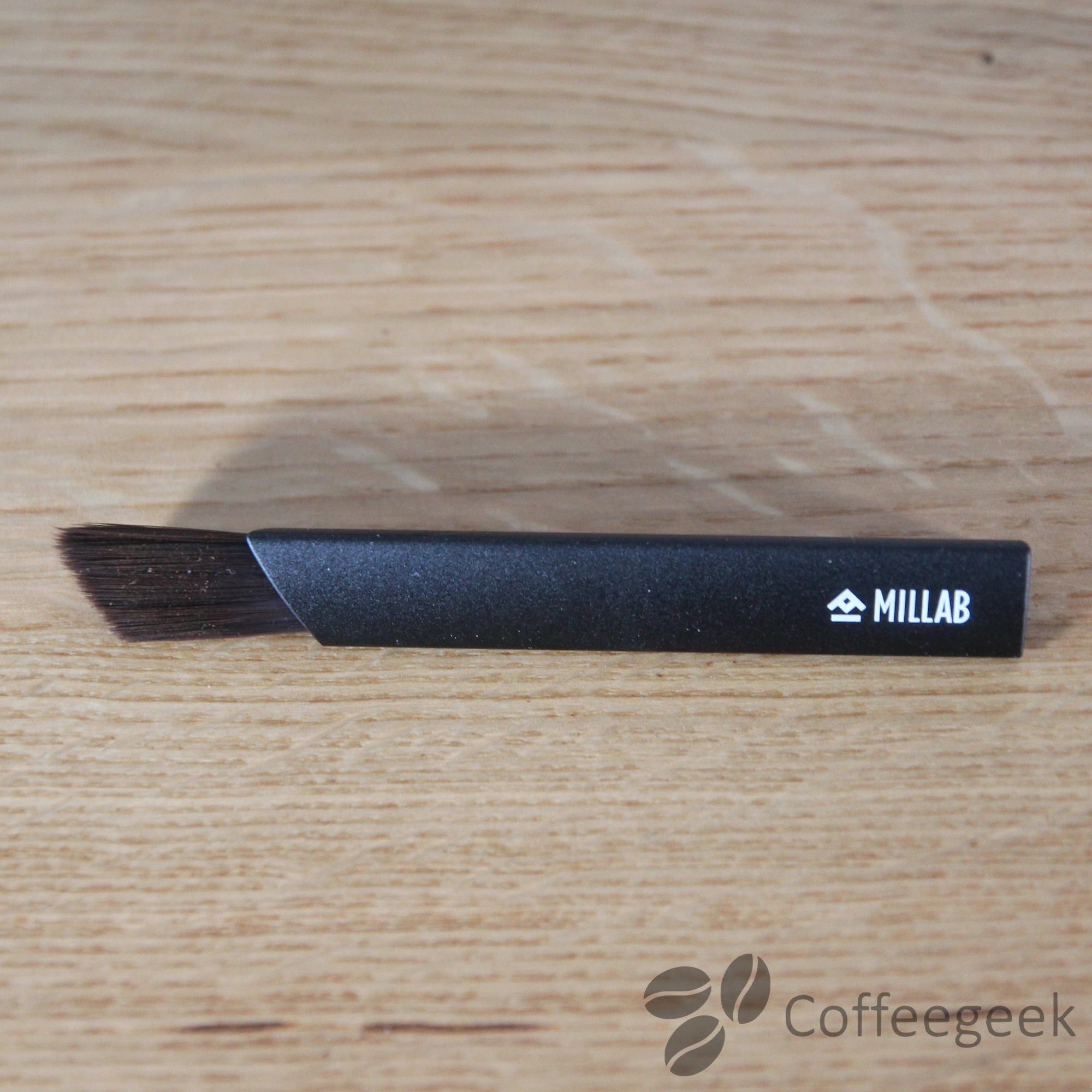
A portafilter that hasn't been rinsed between extractions, a grinder whose burrs haven't been cleaned in weeks, a scaled-up moka pot - all of these silently contribute to the bitterness in your cup. The minimum rule: rinse the portafilter with hot water after each use, clean the grinder with a brush after each session, and descale the machine regularly. For lever machines, a full service is essential every few months, as I describe in the guide La Pavoni Europiccola Maintenance. For deep cleaning, products like Puly Caff for the group head and Puly Grind for the grinder make a real difference.
Common Mistakes and Quick Fixes
| Symptom | Probable Cause | Solution |
|---|---|---|
| Bitter coffee from the first sip | Roast too dark | Switch coffee, choose a lighter roast |
| Bitterness at the end of the cup | Over-extraction | Coarsen the grind, reduce brew time |
| Bitterness + astringency | Water too hot | Lower temperature to 90–93°C |
| Rancid bitterness | Dirty equipment | Thoroughly clean the portafilter and grinder |
| Constant bitterness regardless of the recipe | Water too hard | Use filtered or bottled water |
This table summarizes the most common associations between symptoms and causes, but in practice problems often combine. If your coffee is bitter despite a correct grind and good temperature, systematically check the cleanliness of your equipment and the quality of the water you're using. Very hard tap water can also accentuate bitterness by altering the extraction - a subject I cover in detail in the article Water and Coffee: bottled water vs. filter jug.
Conclusion and recap
A bitter coffee is almost never inevitable. In the vast majority of cases, one of these five causes is at play: over-extraction, grind too fine, water too hot, coffee over-roasted or poorly stored, dirty equipment. Always start with the simplest cause - the grind or extraction time - before switching coffees or investing in new equipment.
The method I apply systematically: change one parameter at a time, note the result, then adjust again if necessary. It's the only way to identify with certainty what the problem is. With a little discipline and the right reference points, going from a bitter cup to a balanced one takes only a few attempts.
Going further
5 Reasons Your Filter Coffee Isn't Perfect (Fix It)
Fix 5 common filter coffee mistakes - pouring, grind, filters, dripper, and dense beans - with practical solutions from coffee specialist Asser Christensen.
Read the article →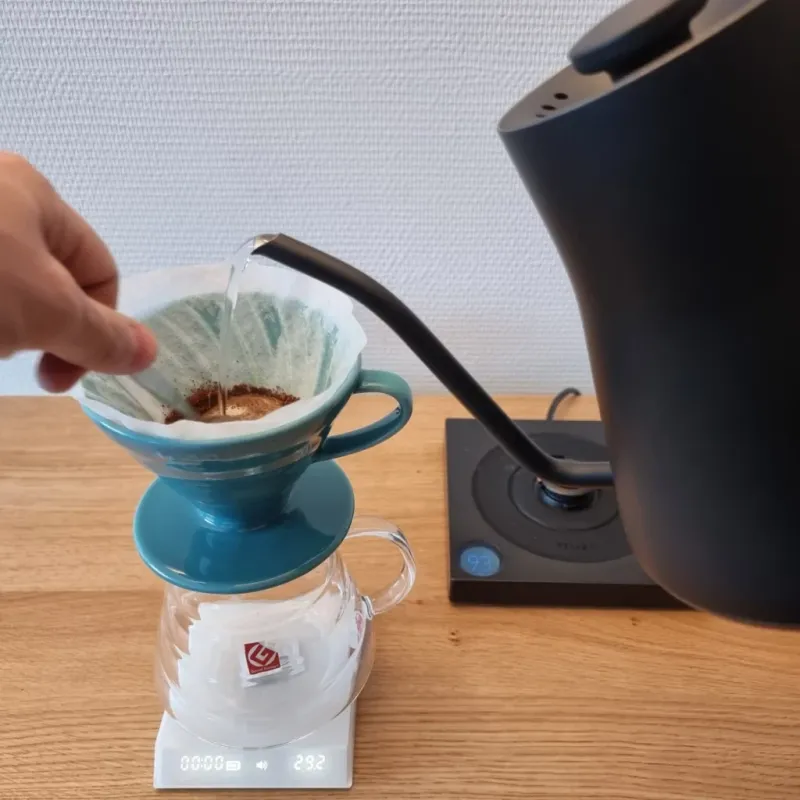
Water and Coffee: bottled water vs filter pitcher
Why water quality matters for coffee: comparing bottled water, tap water, and filter pitchers - and what a French purification scandal revealed.
Read the article →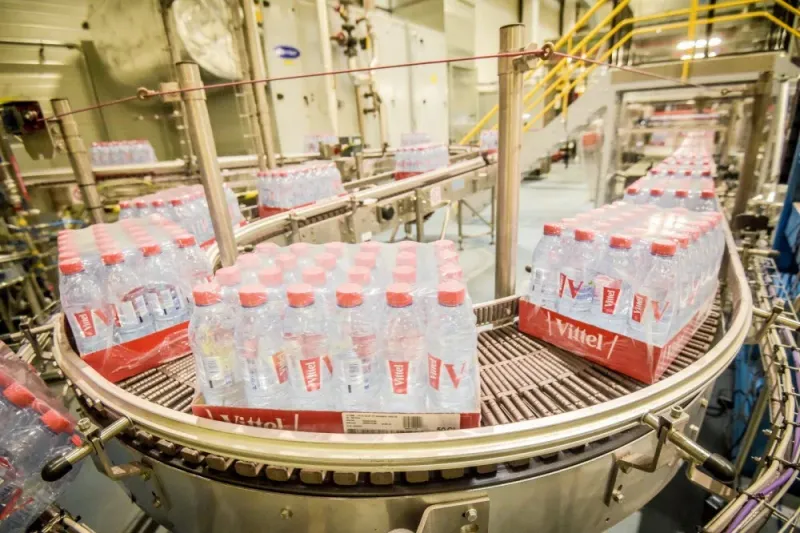
How to properly store your coffee?
Optimize your coffee storage to preserve its aromas and avoid common mistakes - containers, light, temperature, and humidity explained.
Read the article →