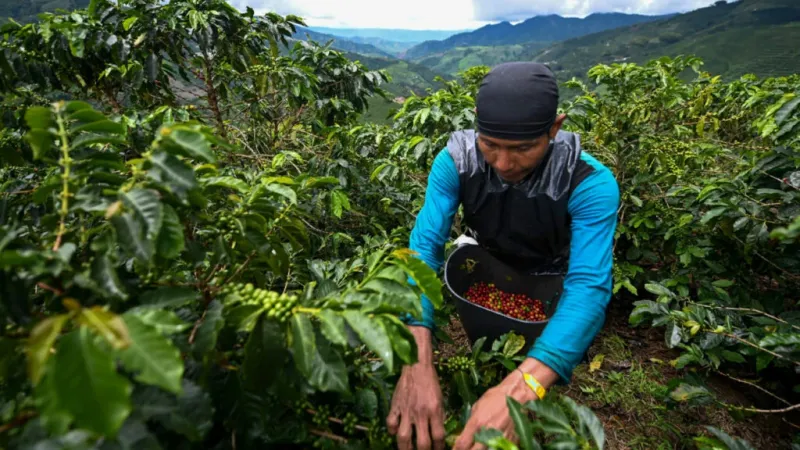
Have you ever heard a roaster mention first crack or second crack and wondered what they actually meant? These two moments are at the heart of every roast, and understanding them profoundly changes the way you read a label, choose your coffee, and appreciate it in the cup. They are not mere technical benchmarks reserved for professionals — they are two spectacular chemical and physical events that occur inside every bean, and they largely determine what you will smell and taste in your cup.
If you want to go further and roast your own coffee, check out my complete guide to home roasting. To understand why specialty roaster coffee stands apart from supermarket coffee, this article breaks it all down.
Why understanding these two cracks matters
A raw coffee bean is a dense, moist, and chemically complex seed. Before any roasting, it has almost no smell — or rather it smells of grass, earth, and raw vegetation. Everything you associate with coffee — chocolate, fruit, flowers, caramel, hazelnut — does not yet exist. These aromas are the result of a series of chemical reactions triggered by heat, and the two cracks are their most audible markers.
Understanding these two moments means understanding why a light-roasted Ethiopian coffee can smell of strawberry and jasmine, while a dark-roasted Brazilian evokes bitter chocolate and smoke. It is not solely a matter of origin: it is also — and above all — a question of how far the roaster pushed the heat, and at what point they decided to stop.
For the consumer, this knowledge makes it possible to decode labels with far greater precision. A coffee stopped just after the first crack will have a bright acidity and very pronounced origin characteristics. A coffee taken all the way to the second crack will have lost much of those nuances in favor of a more pronounced bitterness and a fuller body. Neither is objectively better — but knowing where you stand helps you make an informed choice.

What happens before the first crack
Before reaching the first crack, the bean goes through a long drying phase. Green coffee contains between 10% and 12% moisture, and the roaster's first task is to drive out that water. This is a relatively quiet phase, during which the bean gradually transitions from green to pale yellow, then to a golden beige. Nothing spectacular to the eye, but important transformations are taking place behind the scenes.
During this drying phase, sugars begin to break down, chlorogenic acids — very abundant in the green bean — start to fragment, and aromatic precursors begin to form. It is also during this period that internal pressure within the bean starts to build, as water vapor cannot yet escape freely. Maillard reactions — the same reactions that brown a piece of meat or a loaf of bread — begin to kick in, producing the first brown aromatic molecules.
The bean swells slightly, its surface wrinkles further, and it absorbs more and more thermal energy. All of this happens in relative silence, but the aroma machine is already running. The roaster carefully monitors the temperature curve — in particular the ROR (Rate of Rise, the speed at which temperature increases) — to ensure that energy reaches the bean in a controlled and consistent manner.
The first crack: the opening of the bean
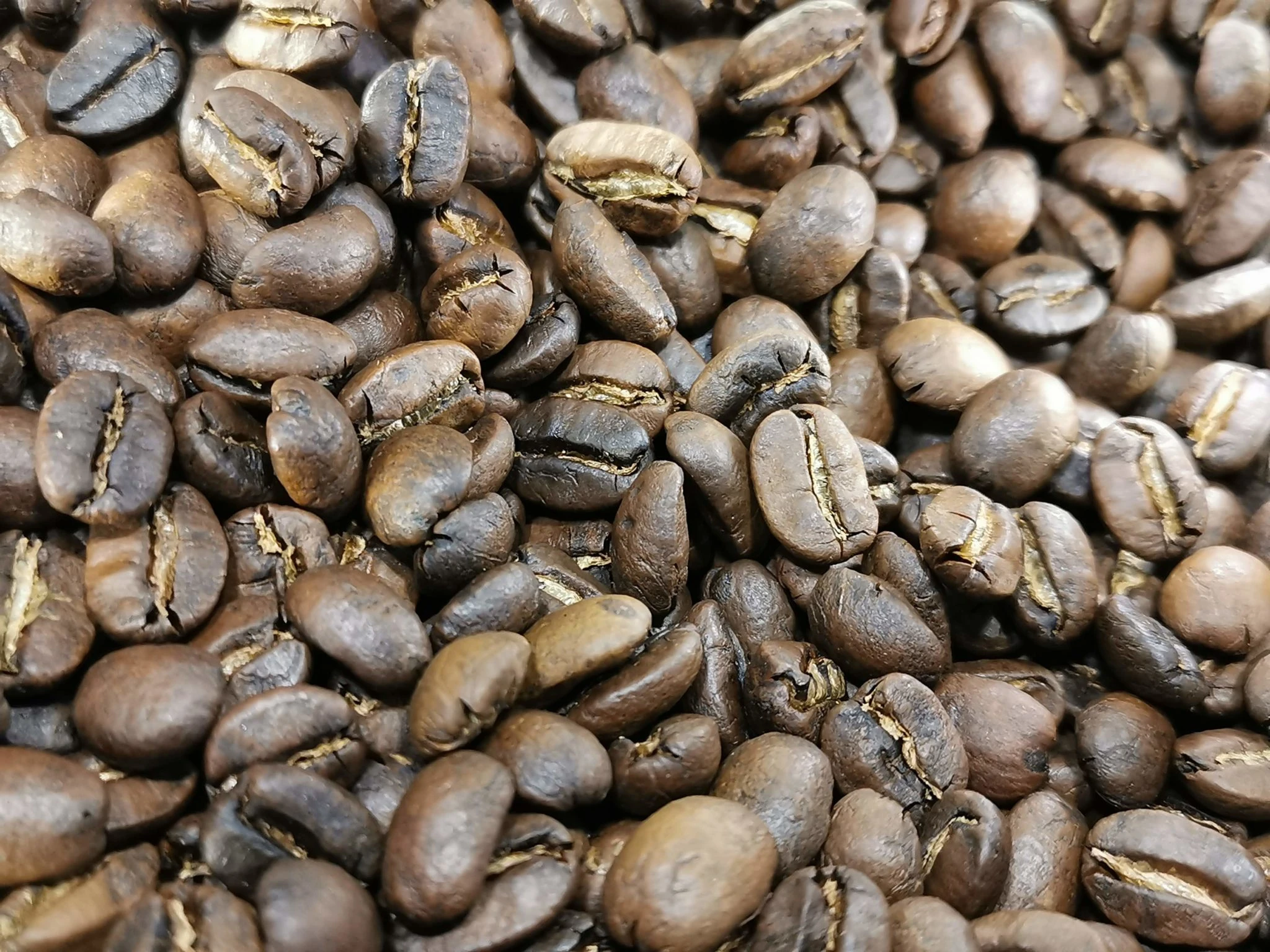
Then comes the moment every roaster waits for: the first crack. You hear it before you see it. It sounds like popcorn popping — a series of sharp cracking sounds, at first spread apart, then coming closer and closer together. That sound is the bean giving way under the pressure that has built up inside.
What happens physically is remarkable. The water vapor and CO₂ produced by the internal chemical reactions have reached a pressure that the bean's cellular structure can no longer contain. The bean cracks, sometimes visibly — you can see small fissures on the surface. Unlike popcorn, it doesn't swell dramatically, but its internal structure changes profoundly: it becomes more porous, less dense, and far more soluble.
It is from the first crack onward that the most complex and most origin-characteristic aromas develop fully. The Maillard reactions accelerate, the caramelization of sugars speeds up, and the organic acids — malic, citric, acetic — transform rapidly. The perceived acidity in the cup peaks just after the first crack, then begins to decline. This is why light roasts, stopped shortly after this first crack, often display a bright acidity and strongly pronounced fruity or floral notes.
A coffee stopped just after the first crack begins will be very light, acidic, and will retain as much of its origin characteristics as possible. A coffee stopped in the middle or at the end of the first crack will be what most specialty roasters call a light to medium roast. This is often the sweet spot for expressing the aromatic complexity of a great terroir.
The second crack: toward dark roasts
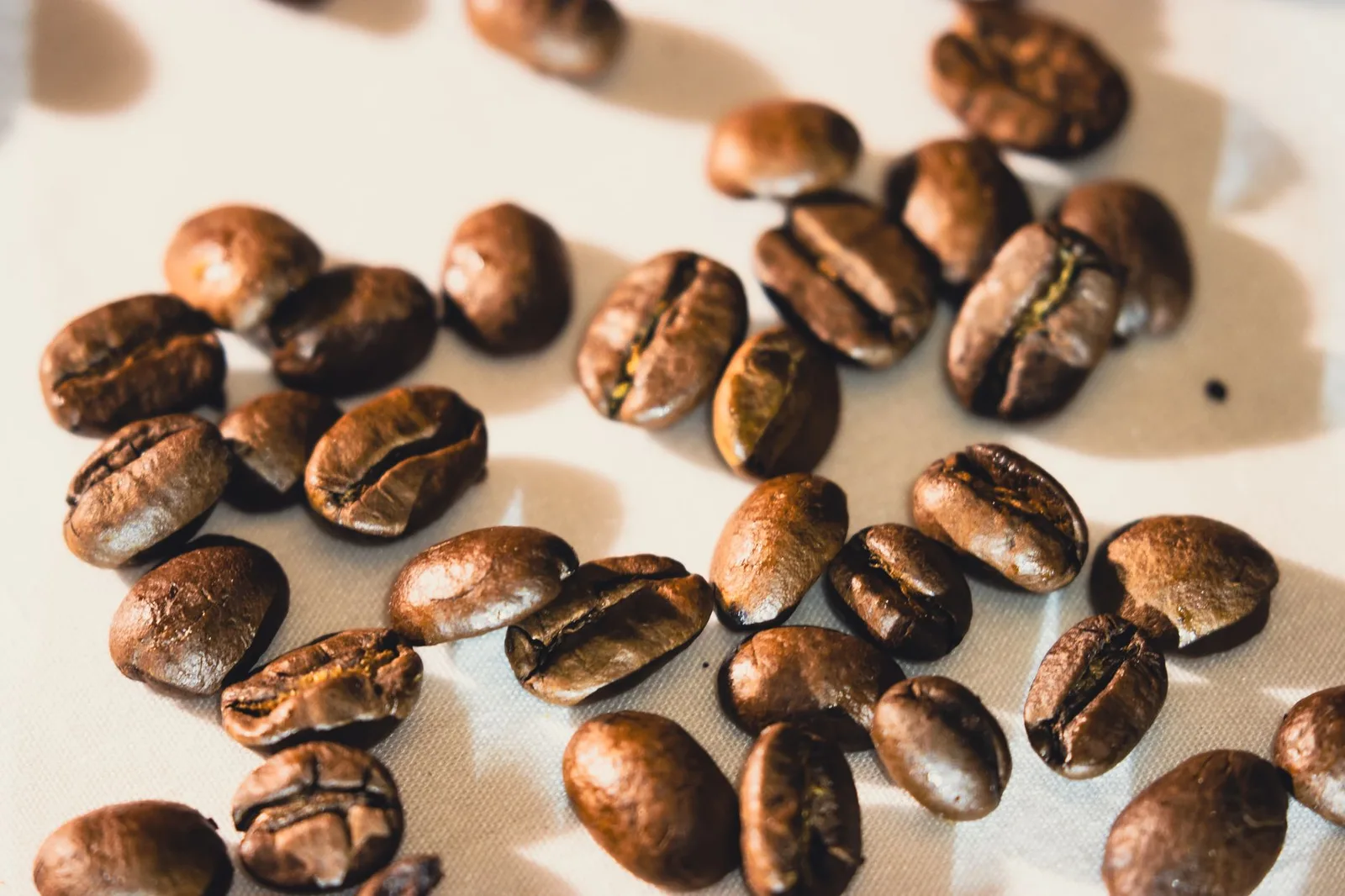
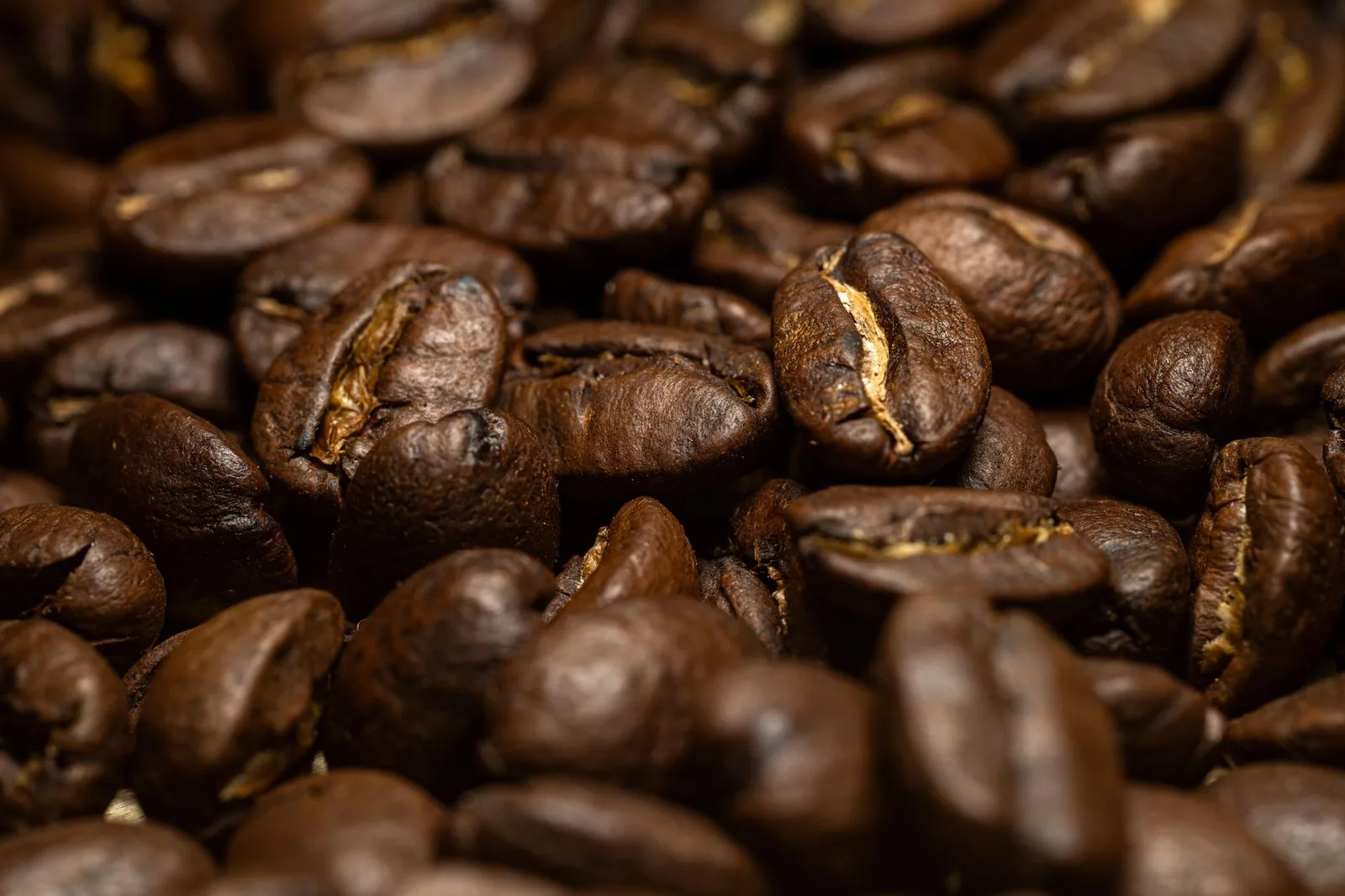
If the roaster continues to apply heat after the first crack, the bean enters a new phase of transformation. The cellular structure, already weakened, continues to break down. The essential oils — until now locked inside the bean — begin to migrate to the surface, giving the beans that characteristic shiny, oily appearance of dark roasts.
Then comes the second crack — less loud than the first, more crackling, almost like crumpled paper. It corresponds to a new release of gases, but this time it is the very structure of the bean that fragments. The cell walls break apart more deeply, the bean continues to swell slightly and lose density. At this stage, a large portion of the organic acids has been destroyed by heat, and bitter compounds — notably pyrazines and phenols — dominate the aromatic profile.
The origin characteristics of the coffee — what distinguishes a Yirgacheffe from a Sumatra, for example — are by this point largely erased. What you taste primarily is the roast itself: smokiness, bitter chocolate, burnt caramel. This is why coffees from around the world, roasted very dark, often end up tasting similar. This is not a value judgment — some enthusiasts genuinely appreciate this profile — but it is a chemical reality.
Beyond the second crack, the bean continues to lose mass and complexity. Pushed too far, it literally carbonizes. The coffee then becomes extremely bitter, acrid, and the aromas give way to a persistent burnt note. There is no gustatory benefit to going that far.
Light, Medium, Dark Roast: What It Really Means
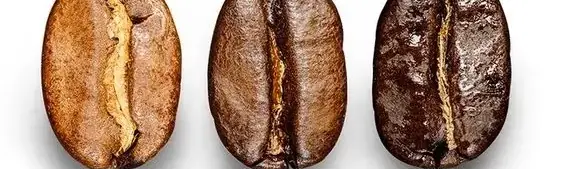
Now that you know about the two cracks, the terms light, medium, and dark on labels take on a much more concrete meaning. A light roast (light roast) is stopped shortly after the beginning or end of the first crack. A medium roast sits in the zone between the two cracks — the bean has developed its aromas well, but still retains a notable acidity and readable origin characteristics. A dark roast (dark roast) crosses the second crack, sometimes well beyond it.
It is important to note that these terms are not standardized on a global scale. What a specialty roaster calls "medium" may correspond to what a commercial roaster calls "light." Tools such as the Agtron — a spectrophotometer that measures the color of ground coffee — allow professionals to objectively quantify these roast levels with a precise number. But for most consumers, understanding the logic of the two cracks is enough to navigate roasters' offerings intelligently.
Conclusion
The first crack and the second crack are not mere technical anecdotes: they are the two pivotal moments around which all the chemistry of roasting revolves. The first opens the bean, releases pressure, and launches the most intense phase of aromatic development. The second marks the entry into the territory of dark roasts, where bitterness takes over from complexity. Between the two lies a zone of creative freedom where roasters express their vision of coffee.
The next time you open a bag of specialty coffee and read 'light roast, stopped just after the first crack' or 'slightly more developed espresso profile', you will know exactly what it means — and why it matters for what you are about to taste.
Going Further
How to roast your own coffee?
Discover the art of roasting green coffee at home and enjoy a fresh and authentic taste, without requiring complex equipment.
Read the article →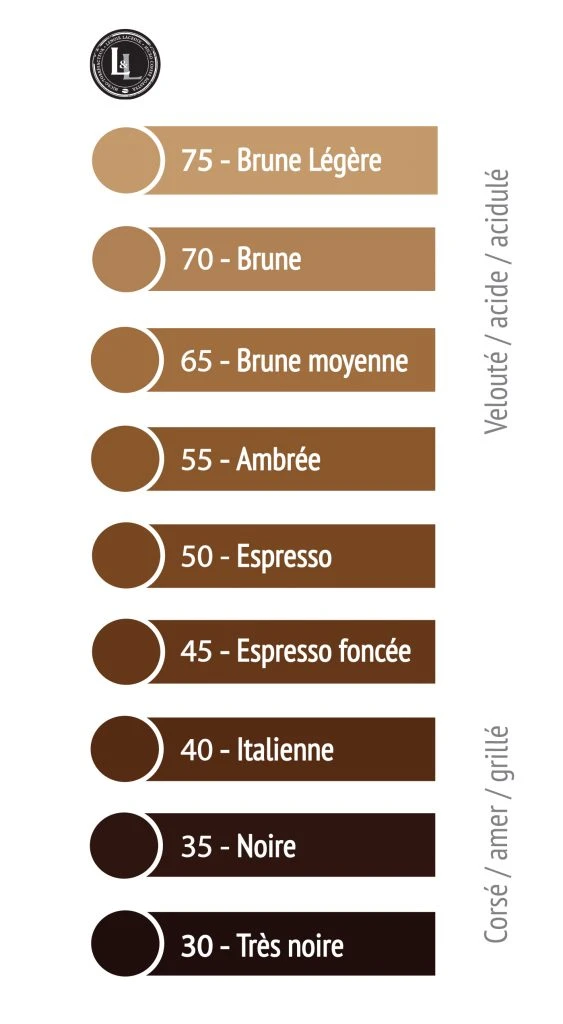
Roaster Coffee vs Supermarket Coffee: Key Differences
Why buy from a roaster instead of a supermarket? Compare origins, roasting methods, freshness, and aroma quality between artisan and industrial coffee.
Read the article →
Coffee Cultivation: Understanding Its Impact on the Cup
How soil, altitude, and processing methods shape coffee flavor - a guide to understanding specialty coffee cultivation and reading labels with confidence.
Read the article →