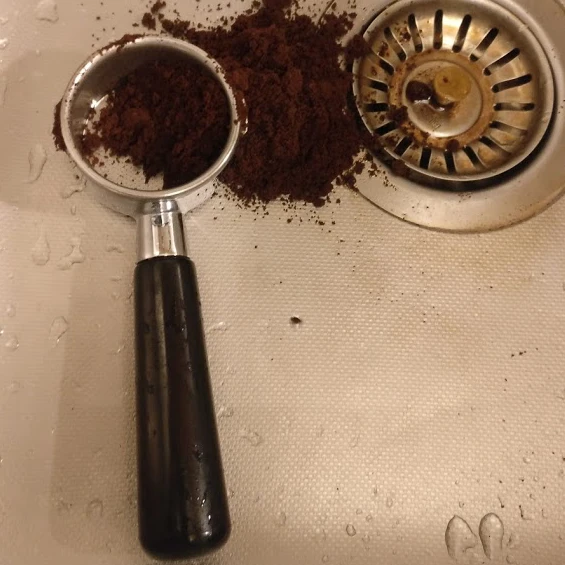
All it takes is one wet season, a few extra degrees, and orange spots appear on coffee plant leaves. Within a few weeks, an entire plantation can be condemned. Coffee leaf rust - Hemileia vastatrix to botanists - is one of the most destructive diseases in world agriculture, and it directly threatens our daily cup.
Coffee leaf rust doesn't make headlines as often as droughts or frosts, but its impact on global production is just as devastating. For more than 150 years, this microscopic fungus has been redrawing the map of world coffee, wiping out entire varieties and pushing millions of smallholder farmers into precariousness. Understanding this threat means better understanding why certain coffees are becoming rare, why prices fluctuate, and why the cup you brew with your favorite grinder is the result of a fragile chain.
What is coffee leaf rust?
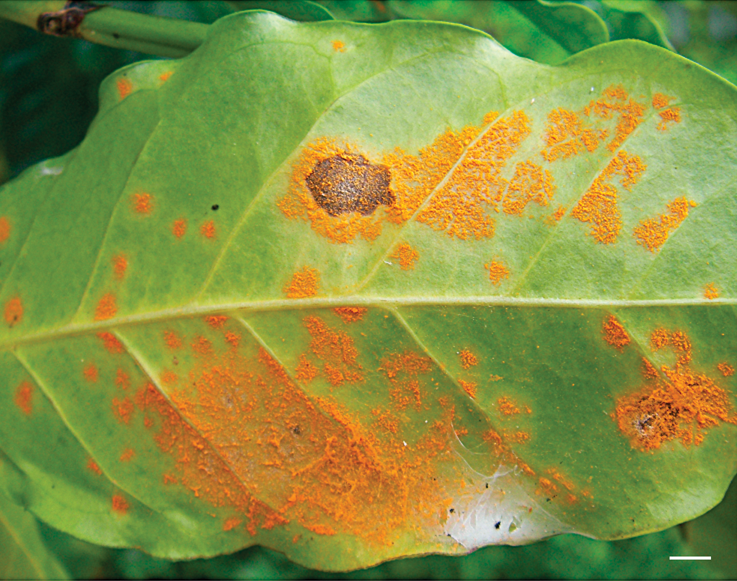
Coffee leaf rust is caused by a parasitic fungus named Hemileia vastatrix, first identified in 1869 in Ceylon (present-day Sri Lanka). Its common name comes from the yellow-orange spots it produces on the underside of coffee plant leaves - a color evocative of metallic rust. These spots correspond to the fungus's spores, which are capable of spreading hundreds of kilometers carried by wind, rain, or workers' clothing.
The cycle of destruction is rapid and relentless. Spores settle on leaves, germinate in the presence of moisture, and penetrate plant tissue. Infected leaves turn yellow, dry out, and fall prematurely. A defoliated coffee plant can no longer carry out the photosynthesis needed for cherry ripening. Within a few weeks, the tree's production is compromised for the current season, and often for the next, as the weakened plant takes time to regenerate.
What makes Hemileia vastatrix particularly formidable is its adaptability. The fungus mutates regularly, developing new strains capable of circumventing the genetic resistance of cultivated varieties. Researchers have identified to date more than 50 races of the pathogen, which considerably complicates the development of durable resistant varieties.
A History of Destruction That Reshaped the Coffee World
The 1869 epidemic in Ceylon remains the most cited example in the history of coffee's spread across the world, and for good reason: it literally changed the consumption habits of an empire. At the time, Ceylon was one of the world's largest producers of arabica. In less than twenty years, the rust wiped out virtually all of the island's plantations. The British colonists, financially ruined, turned to tea cultivation - and it is partly in this way that Great Britain became a nation of tea drinkers rather than coffee drinkers.
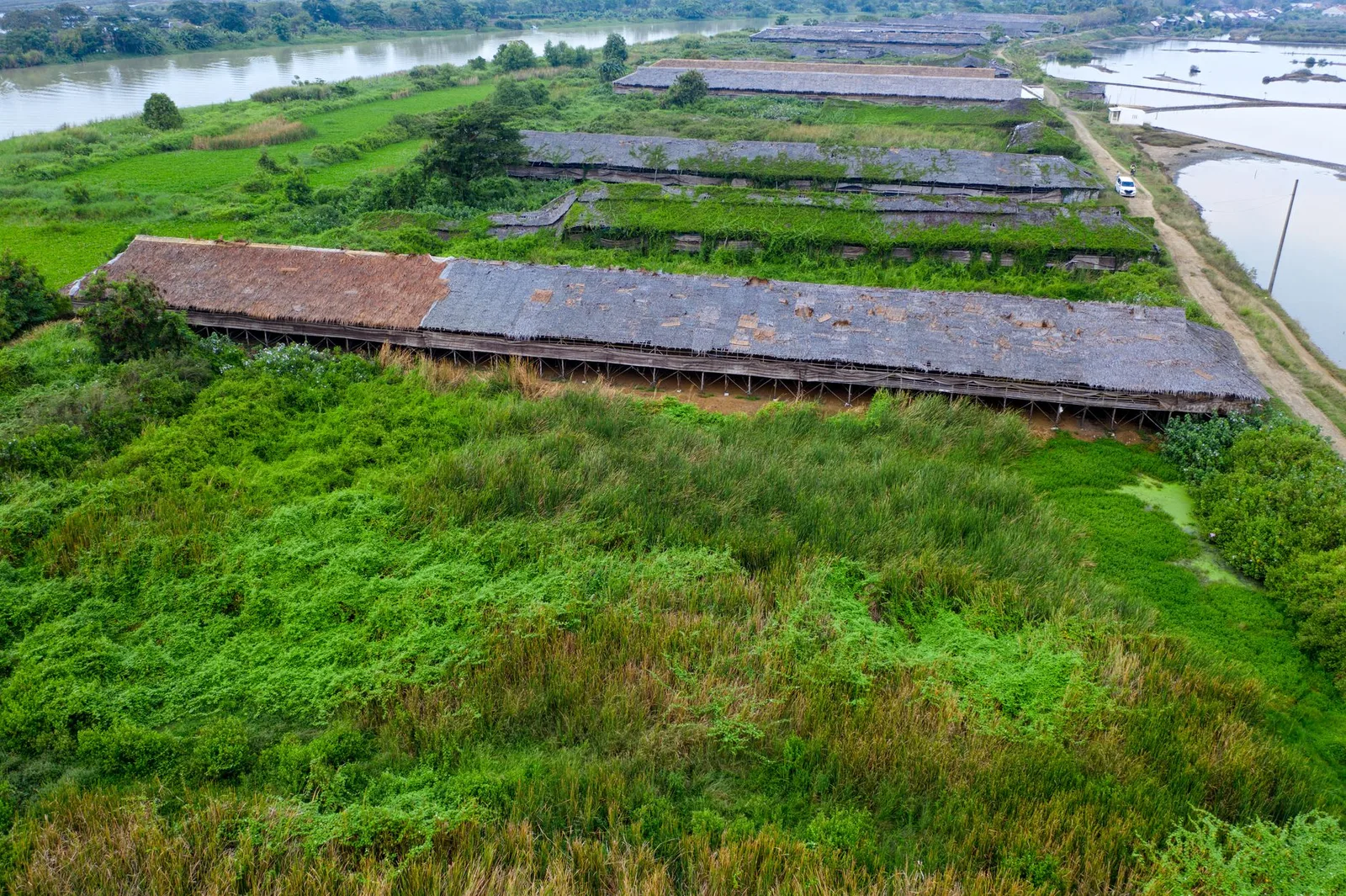
The disease then spread slowly across Southeast Asia, sub-Saharan Africa, and eventually crossed the Atlantic. It reached Brazil in 1970, then spread throughout Central and South America over the following decades. The most recent and best-documented crisis is that of 2012–2013, which struck Central America full force. Guatemala, Honduras, Costa Rica, and El Salvador lost between 30 and 50% of their harvest depending on the region. Economic estimates point to more than one billion dollars in cumulative losses, and several hundred thousand agricultural jobs destroyed or left in financial hardship within a single season.
This crisis had direct repercussions on the quality and availability of certain specialty coffees. Renowned micro-lots disappeared, family farms were abandoned, and heritage varieties such as Bourbon and Typica - particularly susceptible to rust - saw their cultivated area shrink drastically. This is a reality that can still be felt today in roasters' catalogues, as this article on the differences between specialty roaster coffee and supermarket coffee explains well.
Climate Change: A Formidable Accelerator
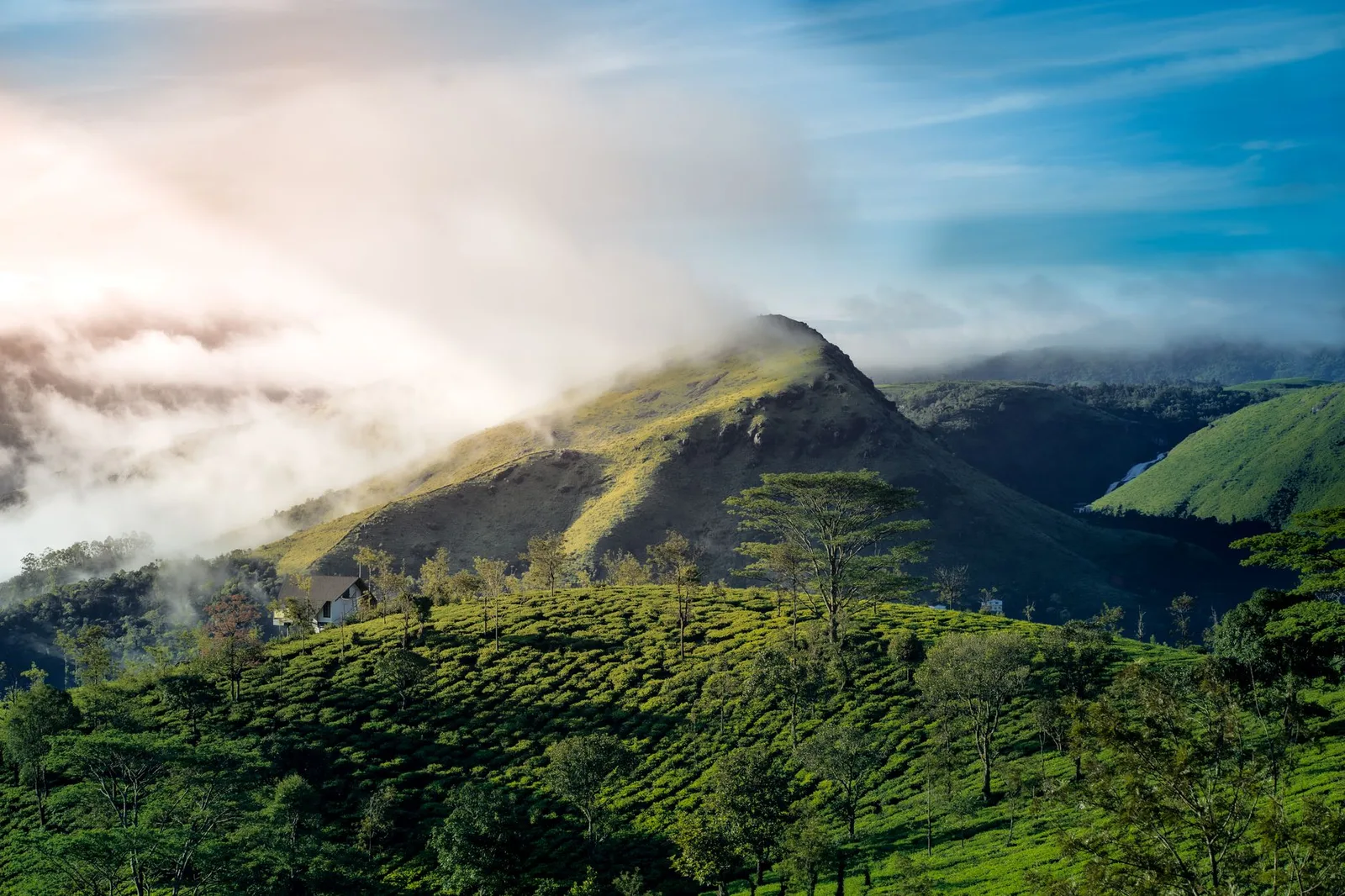
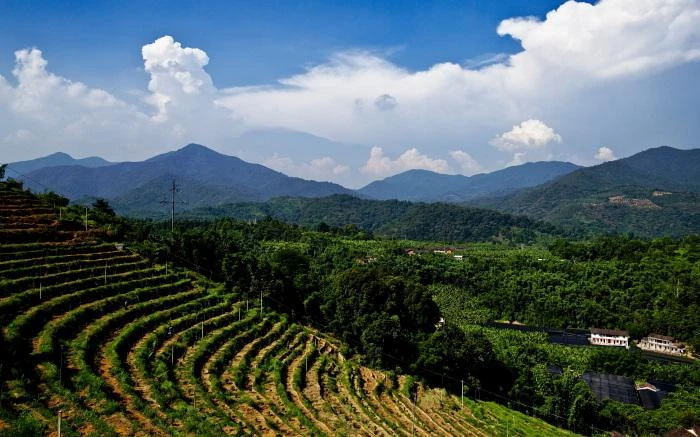
Coffee rust thrives under very specific conditions: temperatures between 15 and 28°C, high humidity, and frequent rainfall. For a long time, plantations located at altitude - above 1,500 metres - benefited from a climate too cool for the fungus to develop effectively. This was notably the case in many high-quality arabica-producing regions in Ethiopia, Kenya, and Colombia.
Climate change is now dismantling this natural barrier. The gradual rise in average temperatures is allowing Hemileia vastatrix to colonise altitudes that were once out of reach. Studies published in recent years show that the optimal risk zone for rust has shifted upward by several hundred metres in Central America since the 1980s. Producers who had migrated to higher elevations to escape the disease now find themselves exposed once again.
High-altitude arabica varieties, prized for their complex aromatic profiles - fruity, floral, tangy - are genetically among the most susceptible to rust. These are precisely the varieties sought after by specialty coffee enthusiasts.
Furthermore, extreme weather events linked to the El Niño phenomenon create ideal conditions for outbreaks: longer and more intense rainy seasons, followed by periods of humid heat, accelerate the sporulation and spread of the fungus. Climate models forecast an intensification of these episodes in the coming decades, which suggests that rust crises will become more frequent and more severe.
The Industry's Responses: Between Chemistry, Genetics, and Agroecology
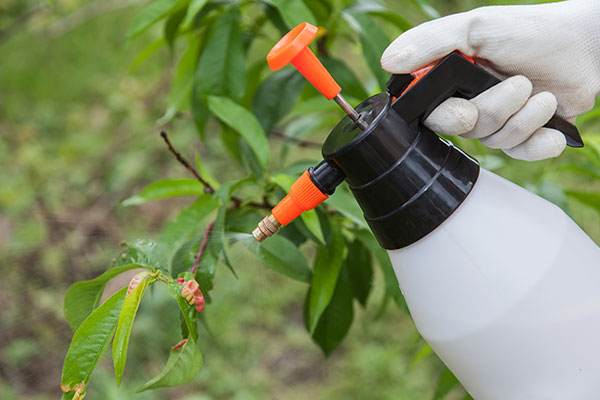
Faced with this threat, the coffee industry has developed several strategies, each with its own advantages and limitations. The first line of defense remains fungicide treatment, particularly copper-based or systemic products. These treatments are effective when applied preventively, but their cost is prohibitive for small producers who have neither the equipment nor the financial resources required. They also raise significant environmental concerns in terms of soil and waterway contamination.
The second approach is genetic: developing rust-resistant varieties. Hybrids such as Catimor and Sarchimor were created by crossing arabica with robusta, which is naturally resistant. These varieties have been widely deployed in Central America and Asia, but they are often criticized for their less complex aromatic profiles compared to pure arabicas. The challenge for breeders is to combine genetic resistance with organoleptic quality - a difficult balance to achieve, especially as the fungus continues to mutate.
The third path, more recent, is agroecological: diversifying cultivated species, maintaining tree cover to regulate humidity and temperature, and promoting soil biodiversity to strengthen the natural resilience of plantations. This approach, championed by many NGOs and fair trade organizations, is promising in the long term but requires significant investment and a transition that is often difficult for producers who are already vulnerable.
Research is currently underway to use natural antagonistic fungi capable of parasitizing Hemileia vastatrix without resorting to chemical pesticides. These biocontrols represent a promising avenue, but their large-scale deployment remains experimental.
In Summary
Coffee leaf rust is not a historical anecdote: it is a living, evolving threat that climate change makes harder to contain with each passing year. It strikes first and hardest at smallholder farmers in the Global South - those who hand-cultivate the most aromatic varieties, often without any economic safety net. Every cup of specialty coffee we carefully prepare is the result of a silent struggle waged in distant mountains against a microscopic enemy.
Understanding this reality also means understanding why the price of a quality coffee reflects far more than the simple cost of roasting - it is a reflection of an entire industry fighting for its survival. Coffee cultivation and its impact on the cup begins long before the harvest, in the very health of the trees that produce it.
Going Further
Coffee Cultivation: Understanding Its Impact on the Cup
How soil, altitude, and processing methods shape coffee flavor - a guide to understanding specialty coffee cultivation and reading labels with confidence.
Read the article →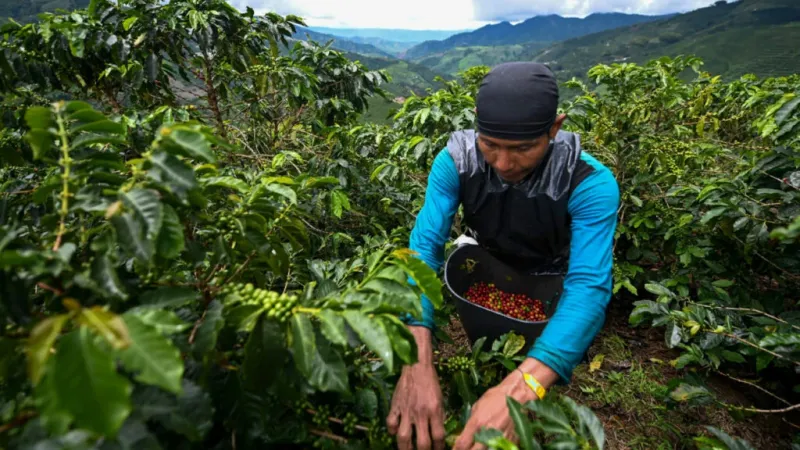
Roaster Coffee vs Supermarket Coffee: Key Differences
Why buy from a roaster instead of a supermarket? Compare origins, roasting methods, freshness, and aroma quality between artisan and industrial coffee.
Read the article →
How to recycle coffee grounds in an eco-friendly way?
Discover how to give your coffee grounds a second life with simple and effective eco-friendly tips.
Read the article →