
Some stories have survived the centuries not because they are verifiable, but because they capture something essential about humanity. The story of Kaldi, the young Ethiopian shepherd who supposedly discovered coffee by chance, watching his goats dance in the night, is one of them. Even before knowing whether it is true, we want it to be.
The Legend of Kaldi: a shepherd, some goats, and red berries
The story takes place somewhere in Ethiopia, around the 9th century, in a mountainous, forested region identified today as the province of Kaffa — from which some linguists even derive the word "coffee" itself. A young shepherd named Kaldi is watching over his flock of goats when he notices something unusual: his animals, after grazing on the red berries of an unknown shrub, suddenly seem agitated, almost euphoric. They frolic, bleat, and refuse to sleep. As night falls, they remain on their feet, restless in the very spot where they normally lie down at sunset.
Intrigued, Kaldi tastes a few of the berries himself. The effect is immediate: a new energy, a sharpness of mind, a lightness he has never felt before. Excited by his discovery, he brings it to a monk at a nearby monastery. The monk, initially skeptical, throws the berries into the fire. But an enchanting aroma rises from them at once — that of coffee roasted for the very first time in history, according to the legend. The monks then gather the hot beans, dissolve them in hot water, and discover a drink that allows them to stay awake during their long nightly prayers.

This account is beautiful, coherent, almost cinematic. It has all the ingredients of a great founding story: an ordinary hero, an accidental discovery, a profound transformation. But its historical accuracy is, to say the least, open to question.
A Legend Put Into Writing Long After the Facts
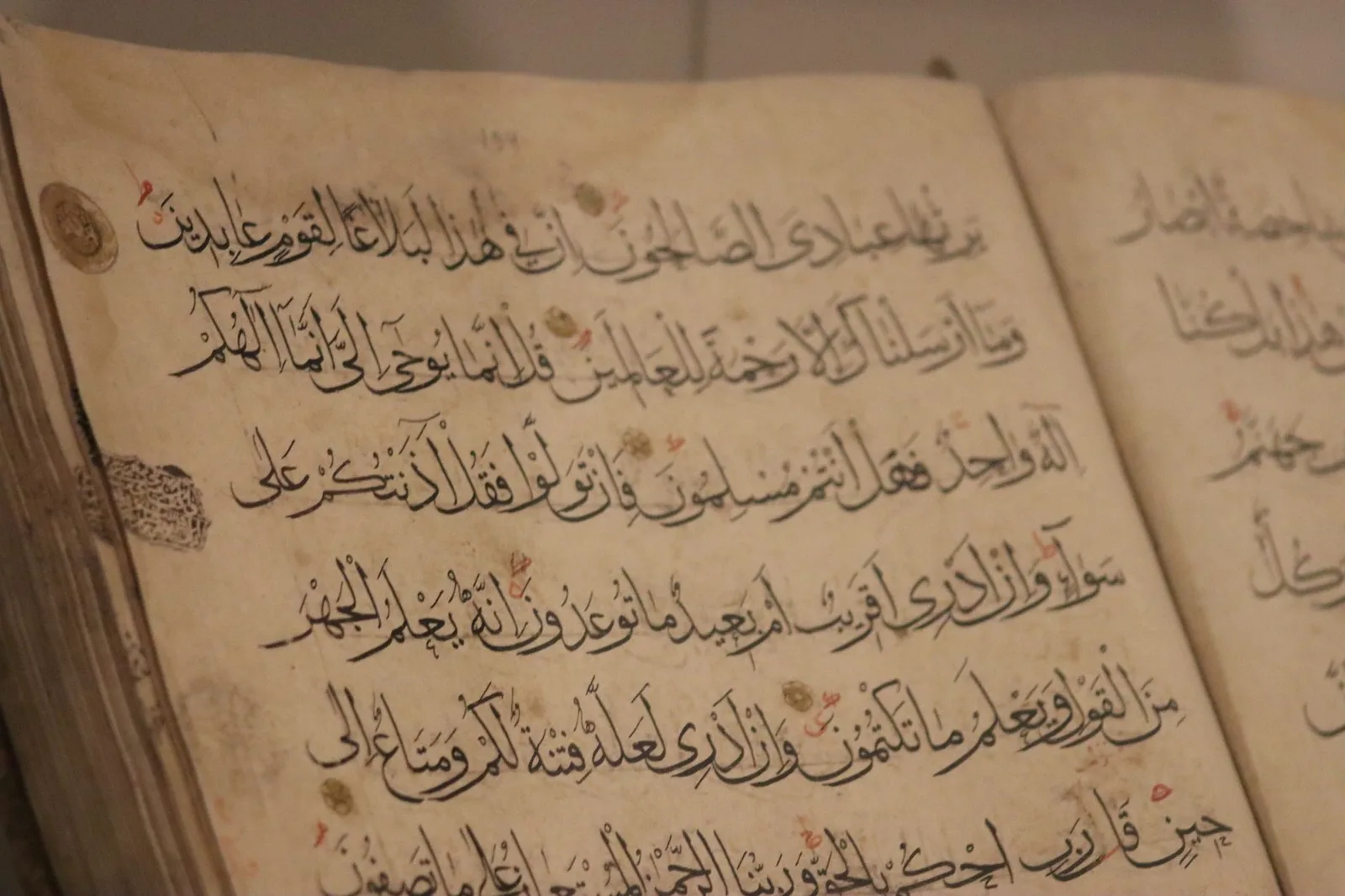
The first problem with the legend of Kaldi is one of dating. While the events are supposed to have taken place in the 9th century, the account does not appear in writing until much later. The most frequently cited source is the work Umdat al-Safwa fi hill al-qahwa (which can be translated as "Argument in Favor of the Legitimacy of Coffee"), attributed to Antoine Faustus Nairon, a Lebanese Maronite monk and professor in Rome, published in 1671. He is the one who first committed to paper the story of Kaldi and his dancing goats — several centuries after the supposed events.
This temporal distance does not mean the legend was invented out of thin air. Oral traditions have often preceded the written word, and many founding narratives survived for centuries before being transcribed. But it does call for legitimate caution. No Ethiopian, Arabic, or other document predating the 17th century mentions Kaldi by name. This silence is troubling for anyone seeking rigorous historical confirmation.
What botany and history confirm
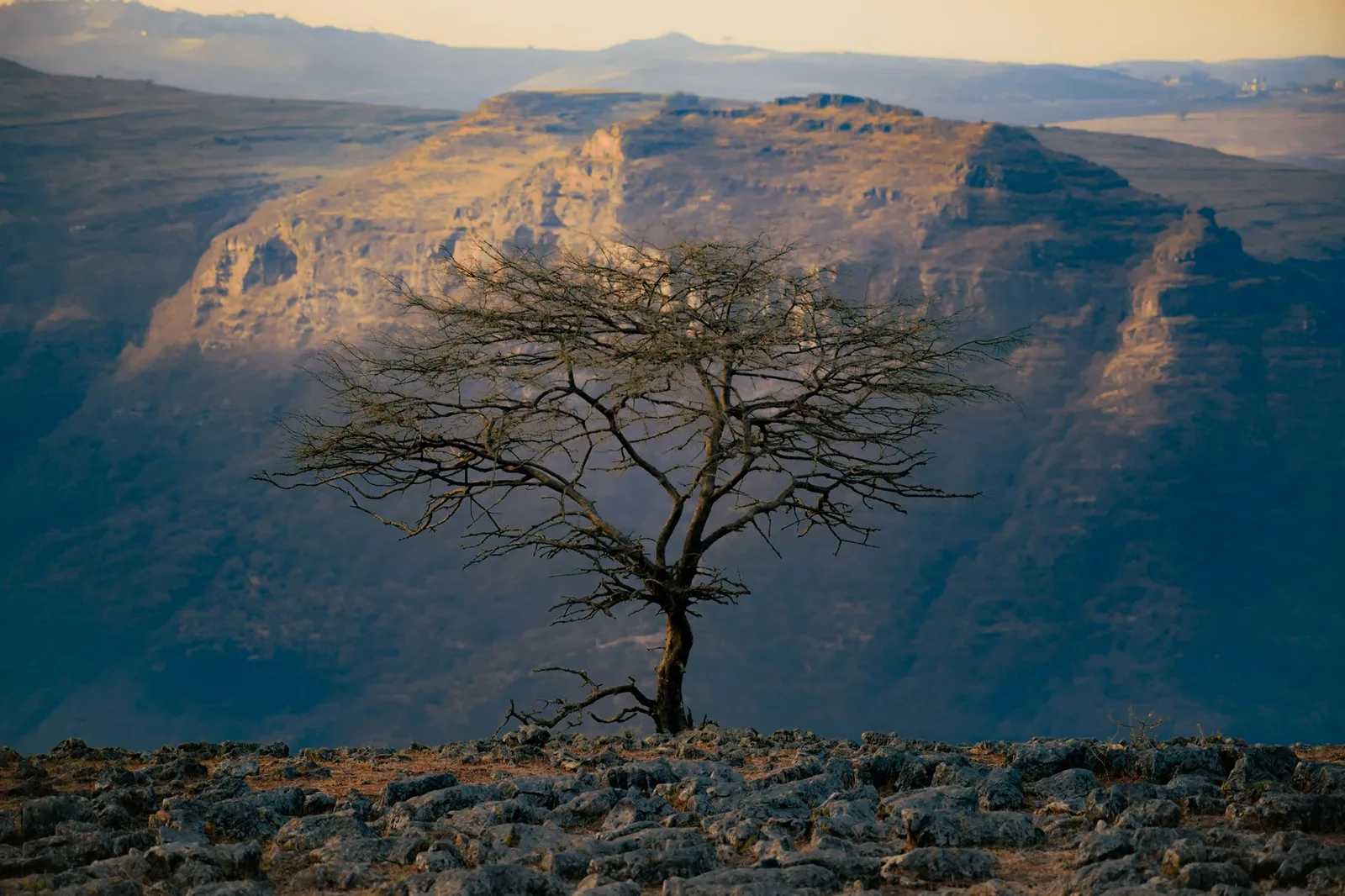
If the character of Kaldi remains legendary, the geography of his story is firmly rooted in reality. Ethiopia — and more specifically the mountainous forests of the Kaffa and Jimma regions — is indeed the botanical birthplace of Coffea arabica. Coffee trees still grow wild there, in the undergrowth of the highlands, at altitudes ranging from 1,500 to 2,000 meters. Local populations, particularly the Oromo, were consuming coffee long before it became a prepared beverage: they chewed fresh berries, mixed the leaves with animal fat, or fermented the fruits to make a light alcoholic drink.
It was not until the 15th century, in Yemen, that coffee began to be prepared in the form we know today: roasted beans, ground, and brewed in hot water. Yemeni Sufis, particularly in the city of Mocha, used this drink to sustain their long prayer vigils — a striking echo of the Ethiopian monks in the legend of Kaldi. From Yemen, coffee would then spread to Mecca, Cairo, Istanbul, Venice, and the rest of the world, a fascinating propagation that I have detailed in the article on the history of coffee's spread throughout the world.
The word "coffee" is thought to derive either from Kaffa, the Ethiopian region, or from the Arabic qahwa (قهوة), a term originally referring to a fermented drink, and later to coffee. The two etymologies complement each other more than they contradict.

A Legend That Speaks a Truth
The great strength of the legend of Kaldi lies not in its factual details, but in what it reveals about the relationship between humans and coffee. It tells us that this discovery came from below — from a goatherd, not a king or a scholar — and that it came about through the observation of living things, through attentiveness to animals and to nature. It also tells us that coffee was, from the very beginning, associated with wakefulness, with the awakening of the mind, with the ability to resist sleep in order to devote oneself to something greater than oneself.
These themes — intellectual stimulation, sociability, resistance to fatigue — are precisely those that would make coffee the drink of philosophers, merchants, revolutionaries, and writers across the centuries. In this sense, the legend of Kaldi is a perfect metaphor, whether or not it is historically accurate. It crystallizes, in a simple and memorable story, what millions of people feel every morning as they hold their first cup.


In Summary
The legend of Kaldi is one of the most beautiful origin stories humanity has ever produced around a beverage. Historically, it remains unverifiable: the character is not attested by any source predating the 17th century, and the tale as we know it is probably a late reconstruction. But geographically and botanically, it points to an undeniable truth: coffee was born in Ethiopia, in the forests of Kaffa, long before it went on to conquer the rest of the world.
What is certain is that someone, one day, noticed the properties of those red berries. Whether it was Kaldi, an anonymous monk, or a hunter forgotten by history, it matters little. Coffee exists, and it has changed the course of the world. That may be the only truth we need.
To understand how this Ethiopian seed became the second most traded commodity in the world, I invite you to read the article on the spread of coffee throughout the world, or to explore the decaffeination methods for another facet of coffee's history.

Further Reading
History: the spread of coffee around the world
Discover the incredible odyssey of coffee, from its jealously guarded Arabian origins to its worldwide conquest, including rivalries between colonial...
Read the article →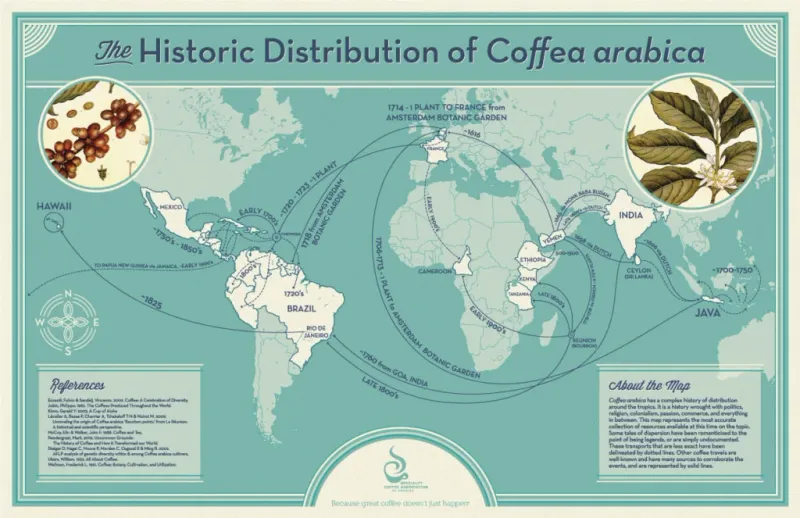
Showcase: article not found for /coffee/history-and-culture/history-and-culture
How is coffee decaffeinated?
Dive into the intriguing world of decaffeinated coffee, from its origins to modern methods, exploring its impacts on health and the environment.
Read the article →