

Discover the history and characteristics of coffees from Central America and the Caribbean, two regions known for producing some of the best arabicas in the world. From the floral sweetness of Costa Rica to the elegance of Jamaican Blue Mountain, including the rich and full-bodied coffees of Guatemala, dive into a universe of unique terroirs.
We will also explore the economic and social impact of coffee in these countries since its introduction by European colonists in the 18th century.
Costa Rica – Exceptional Arabica with Intense Aroma
Costa Rica benefits from ideal conditions to produce high-quality coffee: high altitudes, temperate climate, balanced humidity, fertile volcanic soils, and political stability.
Only risks: cyclones and earthquakes.
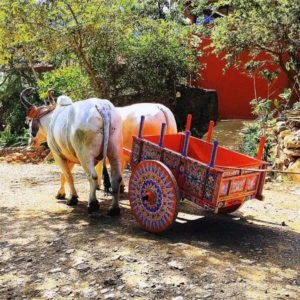
- Type: 100% washed arabica
- Key regions: San José, Heredia, Alajuela, Tarrazú
- Profile: very aromatic, pleasant acidity, medium body
- Recommended roast: light to preserve acidity
Cuba – Aromatic Coffee with Low Acidity
In Cuba, a refined and carefully classified arabica has been cultivated since the 18th century. Less acidic than those of its neighbors, it is appreciated heavily roasted, revealing warm and round notes.
Dominican Republic – Barahona, Bani and Ocoa Coffees
The Dominican Republic is renowned for its balanced arabicas.
- Best crop: Barahona (pronounced acidity, good body)
- Others: Bani and Ocoa (milder, round aromas)
Dark roast recommended to enhance the notes.
Guadeloupe – A Legendary Coffee
Once famous worldwide, Guadeloupe coffee was described by Philippe Jobin as "one of the finest coffees in the world". Today, production remains limited but still of high quality.
Guatemala – Full-bodied and Complex Coffees
Producing country of full-bodied, balanced and aromatic coffees with smoky, spicy and chocolatey notes.
- Varieties: Old Bourbon, high-altitude arabica
- Regions: Guatemala (capital), Cobán (exquisite acidity), Huehuetenango (unique aromas)
The country supports small producers to maintain quality despite low yields.
Haiti – Organic Arabica Typica
- Type: Arabica Typica, often in a semi-wild state
- Profile: light, smooth, dense body, low acidity
- Advantage: 100% organic coffee, without fertilizers or pesticides
Honduras – Smooth and Balanced Coffee
Producer of washed arabica with delicate aromas and harmonious acidity, perfect for high-end blends.
Jamaica – The Legendary Blue Mountain
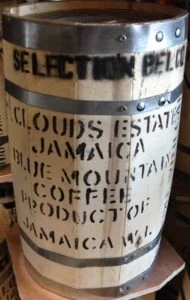
Blue Mountain is one of the most expensive coffees in the world, produced in limited quantities in eastern Jamaica.
- Profile: balanced cup, hazelnut notes, mild acidity
- Quality control: certified by the Coffee Industry Board
⚠ Beware of counterfeits, the volume sold sometimes exceeds actual production.
Martinique – The First Coffee Tree in the New World
In 1720, Gabriel de Clieu planted a coffee tree there from the royal greenhouse of Louis XIV, the first specimen in this hemisphere. Today, production is virtually non-existent.
Mexico – Coffees from Veracruz, Oaxaca and Chiapas

- Arabicas of variable quality depending on the regions
- Altura de Veracruz: light body and fragrant
- Oaxaca Pluma: balance and finesse
- Chiapas Tapachula: lively acidity and fruity notes
Nicaragua – Arabica Maragogype with large beans
Producer of arabicas including the famous Maragogype, with the largest beans in the world. Best crops from Matagalpa and Jinotega.
Panama – Café Volcán Barù
Chiriquí and Tôles regions: high-altitude washed arabicas.
Café Volcán Barù is a gourmet coffee highly valued in France and Scandinavia.
Puerto Rico – Once Prized by the Vatican
Historical supplier to the Vatican until 1968, Puerto Rico still produces premium specialty coffees through cooperatives, despite reduced production.
El Salvador – Pipil, prestigious organic coffee
Economy dependent on arabica.
Reference: Pipil, high-quality organic arabica.
Trinidad and Tobago – Small robusta production
These islands produce robusta mainly intended for instant coffee.
Also discover the other coffee-producing continents
- Africa
- South America
- South Pacific and Southeast Asia Or return to the general table of contents.