

Discover the varieties of Arabica and Robusta coffees, each offering a distinct flavor palette and unique characteristics. In this article, embark on a journey to discover the legendary origins of coffee and its captivating story, which has won the hearts of enthusiasts for centuries.
Arabica and Robusta are the two coffee varieties most commercially traded in the world. Arabica enjoys an excellent reputation... but what does that really mean?
I invite you here to discover their characteristics and their differences.
Brief histories of coffee
Legend has it that an Ethiopian shepherd, observing his goats, saw them excited after eating the leaves and fruits of the coffee tree, to the point that they no longer slept at night.
He then brought the fruits to a monastery. The monks, frightened, threw the beans into the fire... thus releasing the characteristic aroma of coffee. Intrigued, one of them tasted the hot beverage that resulted.
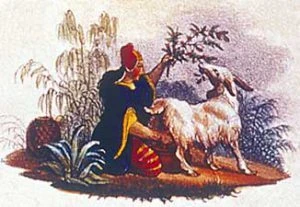
Another version tells that the monks prepared teas with the coffee cherries, until the day they decided to dry the beans in a pan, thus revealing the aroma that marked history.
Arabica: a quality coffee
The Arabian coffee tree
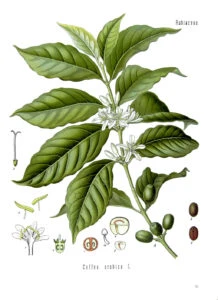
The Arabian coffee tree (Coffea arabica) is a shrub from the Rubiaceae family, measuring less than 9 m in height, which appreciates the shade of taller trees.
Its fruits, called cherries, turn from green to bright red when ripe. Their pulp is sweet and sometimes consumed by certain Asian animals, which enables the creation of the rare kopi luwak. The cherries contain two seeds, placed face to face: the famous coffee beans.
Production areas
Arabica grows at altitude (200 to 2000 m) around the equator. More fragile than Robusta, it is threatened by climate change.
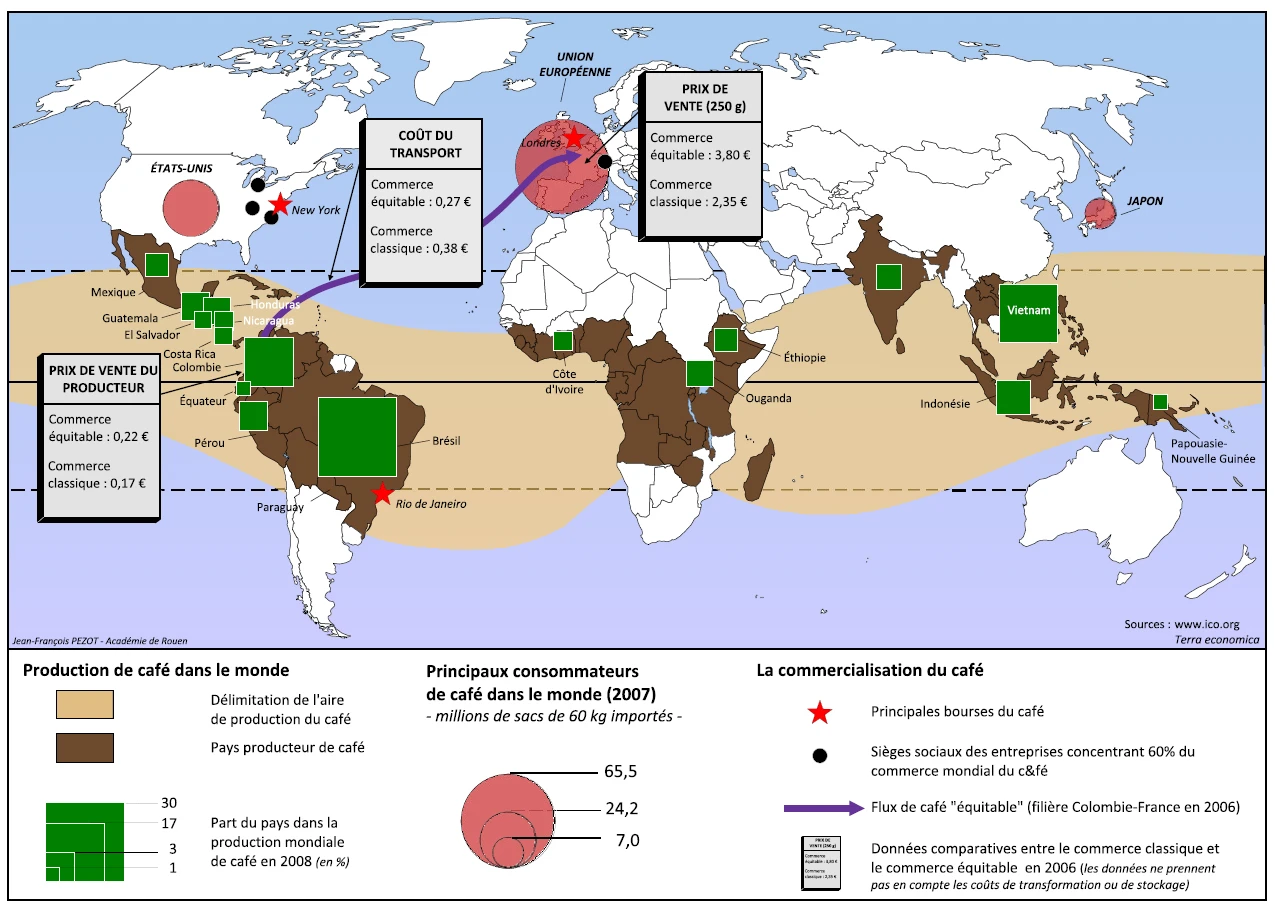
Brazil is the world's leading Arabica producer (30 million 60 kg bags in 2008), followed by Colombia (12 million bags). Together, they represent 55% of global production.
Arabica contains 2 to 3 times less caffeine than Robusta (100 mg versus 250 mg per cup).
| Beverage or food | Portion | Caffeine content |
|---|---|---|
| Filter coffee | 1 cup (250 ml) | 179 mg |
| Brewed coffee | 1 cup (250 ml) | 135 mg |
| Percolator coffee | 1 cup (250 ml) | 118 mg |
| Instant coffee | 1 cup (250 ml) | 75 mg to 106 mg |
| Espresso coffee | 1/4 cup (50 ml) | 89 mg* |
| Cola-type soft drink | 355 ml (1 can) | 36 mg to 50 mg |
| Tea | 1 cup (250 ml) | 30 mg to 50 mg |
| Baking chocolate | 100 g | 90 mg to 200 mg |
Robusta, a robust coffee
The Coffea canephora
The robusta coffee plant (Coffea canephora) is a shrub from the Rubiaceae family.
More resistant, it grows in the lowlands, requires less maintenance and costs less to produce. It represents 40% of global production. Vietnam is its main producer (18 million bags).
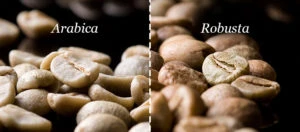
Robusta is often considered less refined than Arabica. Rarely consumed alone, it is often blended to increase volume or enhance the crema of espressos.
Visit to a coffee field
A few days ago, I mentioned the documentary C'est pas sorcier about coffee.
C'est pas sorcier: documentary about coffee
Dive into the captivating world of the show C'est pas sorcier with an episode dedicated to coffee.
Read the article →
In this episode, the team goes to Mexico to follow coffee from harvesting to roasting.

Premium coffees
As with wine, there are grand cru coffees, rare and expensive:
- Kopi Luwak – coffee produced after ingestion by the Asian palm civet, approximately $450/kg.
- Blue Mountain (Jamaica and Haiti) – sold almost exclusively to Japan, shipped in barrels, approximately $100/kg.
- Bourbon Pointu – nearly extinct variety, very low in caffeine, up to $500/kg.
Robusta, on the other hand, has no grand crus comparable to Arabica.