

Welcome to our new series of articles dedicated to the environmental issues related to coffee consumption.
We will address both everyday actions and the often overlooked impact of disposable cups and capsules.
Our goal: to help you become aware of the consequences of your choices and to encourage reflection towards more responsible habits.
I decided to launch this series to highlight ecological problems directly related to the way we consume coffee.
You will discover that seemingly trivial actions can have a heavy impact on the environment.
The topics will not only focus on coffee itself, but also on everything that revolves around it:
- Cardboard cups, which can take up to 150 years to decompose
- Coffee capsules, whose recycling remains limited
- And many other themes related to sustainability and ethics
This series will evolve over time. Feel free to suggest your ideas or share additional information via comments or private messages.
Series Summary
How is coffee decaffeinated?

Decaffeination is a process that generally uses chemical solvents, CO₂ or water combined with aromas to extract caffeine.
Although some methods are more respectful of health and the environment, the use of solvents remains concerning.
The topic is detailed in this article.
How is coffee decaffeinated?
Dive into the intriguing world of decaffeinated coffee, from its origins to modern methods, exploring its impacts on health and the environment.
Read the article →
Kopi Luwak: history, rarity, and ethical controversies

Originating from Indonesia, Kopi Luwak is a rare and extremely expensive coffee, produced thanks to a small animal: the Asian palm civet.
Unfortunately, behind this rarity lie intensive farming practices and a threat to the species, already hunted for its meat.
The complete story and ethical issues are discussed here.
Kopi Luwak: Its History, Rarity and Ethical Issues
Kopi luwak: the story behind the world's rarest coffee - civet digestion, Indonesian origins, chocolatey aromas, and ethical controversies.
Read the article →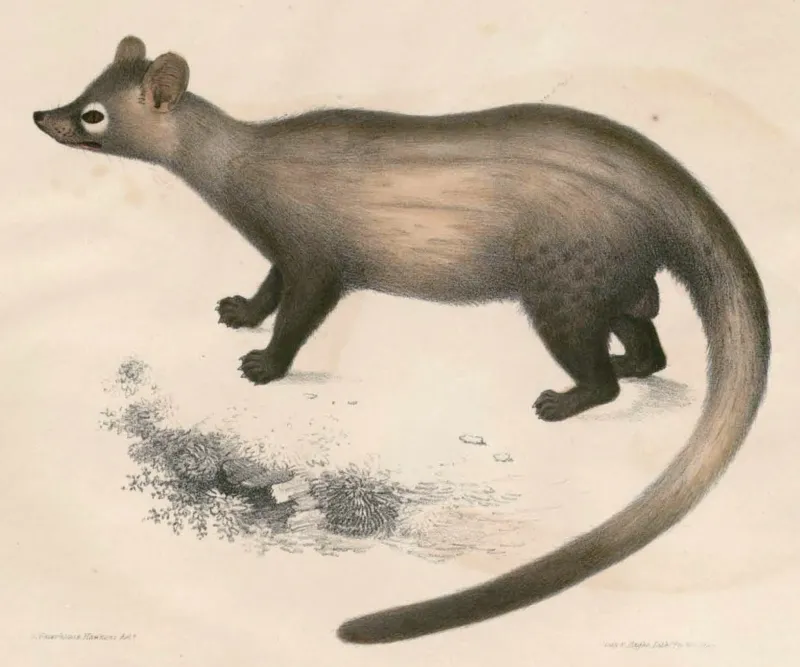
The ecological problem of disposable cups

Disposable paper cups are more polluting than they appear, sometimes even more than plastic cups.
They require a lot of energy and resources for their manufacturing, while decomposing very slowly.
My complete analysis and sources are available in this article.
The Problem with Disposable Cups
Discover the hidden environmental impact of disposable cups and why their recycling is a real challenge.
Read the article →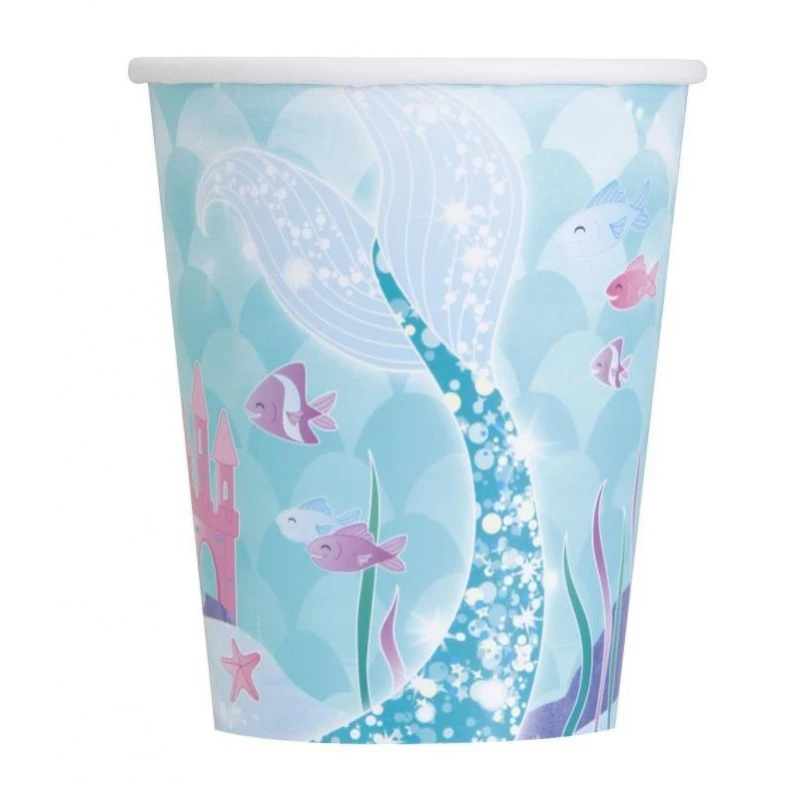
The Ecological Aberration of Capsule Machines

While capsule machines appeal for their convenience, they accumulate disadvantages:
- More expensive coffee and often lower quality than that prepared with traditional methods
- Large amount of waste that is difficult to recycle
- High environmental impact across the entire production chain
My complete investigation is accessible here.
The Ecological Aberration of Capsule Machines
Discover why capsule coffee machines, while offering speed and simplicity, represent an ecological and economic disaster.
Read the article →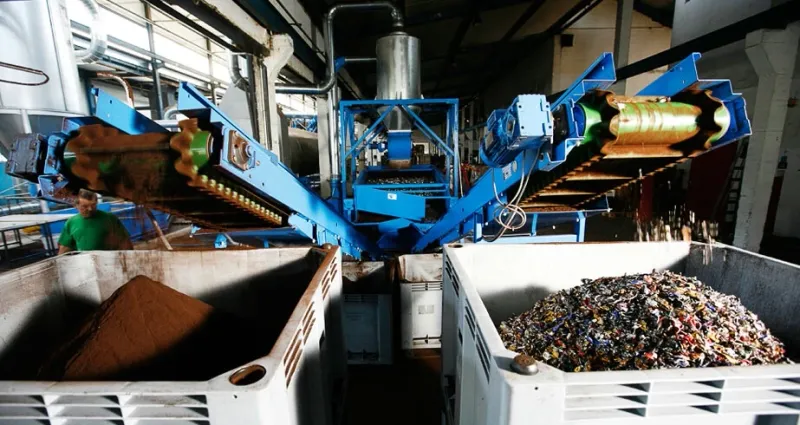
By choosing coffee preparation methods without capsules and without disposable cups, you immediately reduce your ecological footprint.